• How ION Solar Customers Helped Keep the Texas Grid Stable This Summer

    Texas experienced unprecedented grid stability during the extreme heat events of summer 2025, with solar installations playing a critical role in maintaining reliable electricity supply. ION Solar customers across the state contributed to this achievement through their residential solar systems, which complemented utility-scale solar generation to create a more resilient energy infrastructure.

    Record-Breaking Solar Performance Across Texas

    Solar energy installations throughout Texas established 17 generation records during 2025, with the most significant milestone occurring on September 9 when solar generated 29.8 gigawatts of electricity. This output provided approximately 40% of the state's electricity demand for seven consecutive hours between 9 a.m. and 4 p.m.

    The September 9 record represented an increase of 7,785 megawatts compared to the initial 2025 record of 22,092 MW established in January. During the peak summer months from June through August, solar consistently supplied 15.2% of all ERCOT demand, exceeding coal's 12.5% market share.

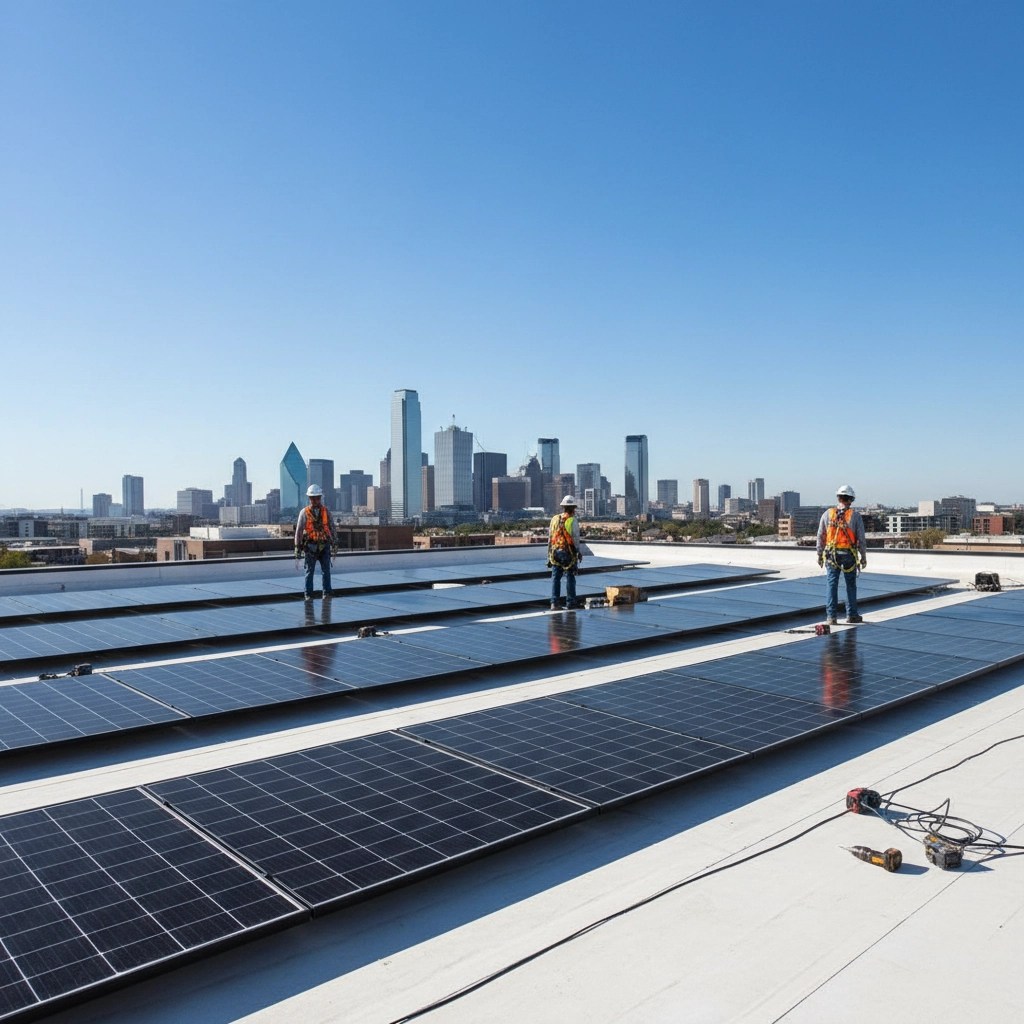
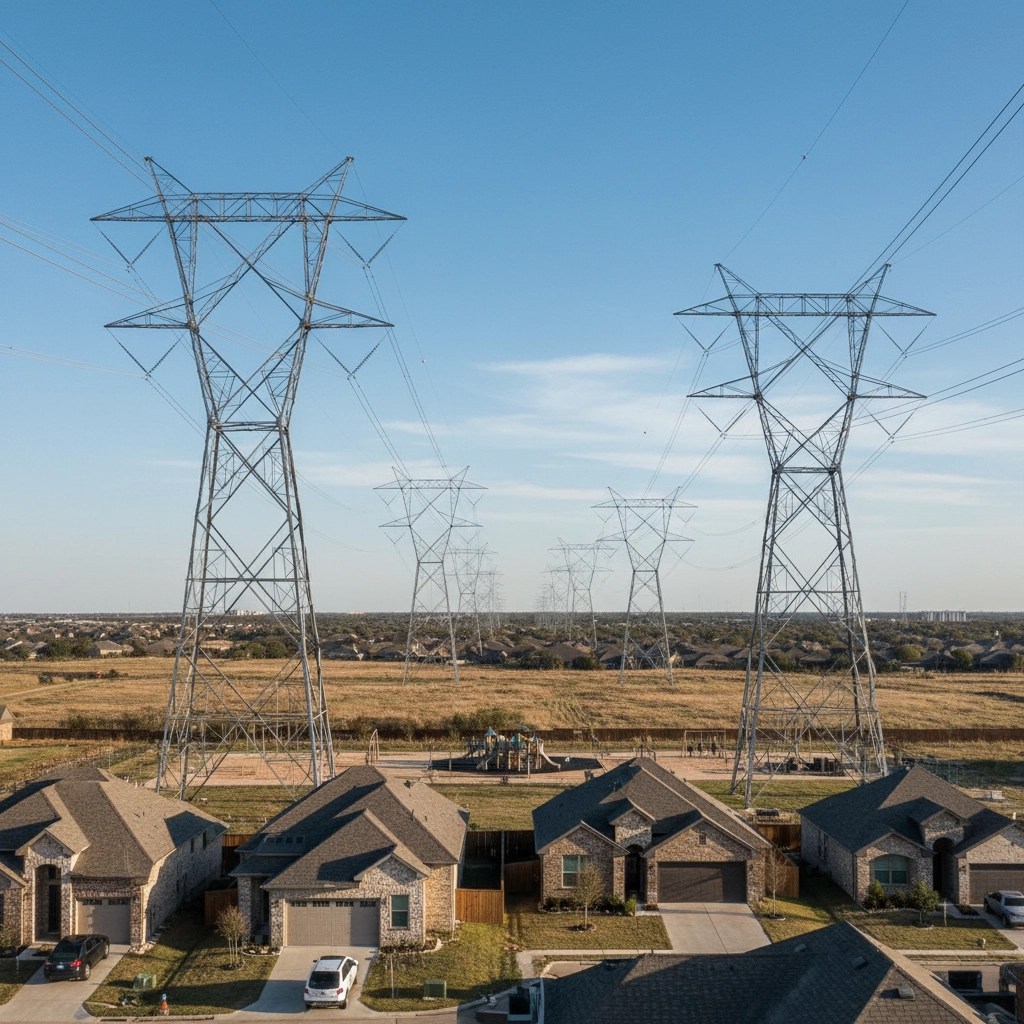
    ION Solar residential installations contributed to these achievements as part of the distributed solar network across Texas. While utility-scale solar farms generated the primary recorded output, residential systems installed by companies including ION Solar provided additional grid support beyond the documented utility-scale figures.
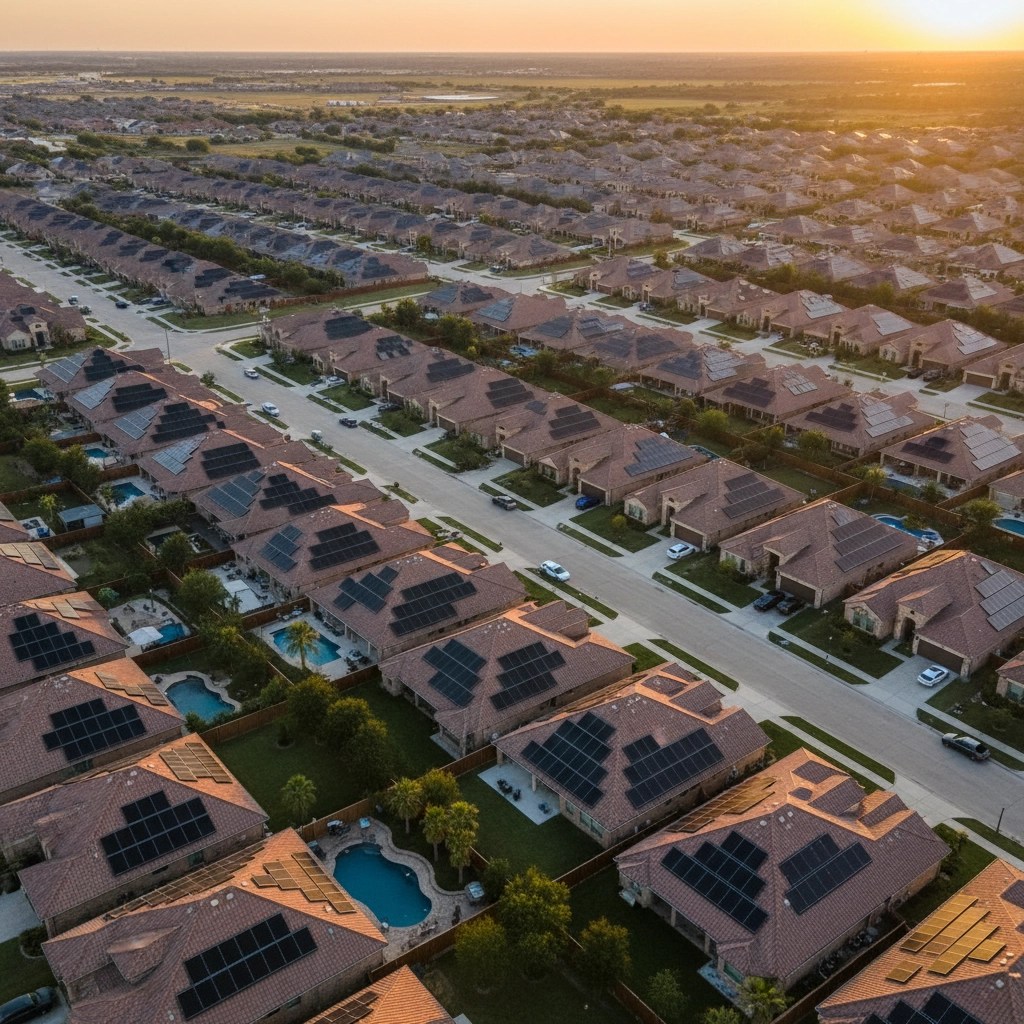
    image_1

    Grid Reliability Improvements

    The expansion of solar installations, including residential systems installed by ION Solar, fundamentally altered Texas grid management during extreme weather conditions. ERCOT did not issue conservation alerts during the 2025 summer heat events, contrasting with 11 conservation requests made during comparable conditions in 2023.

    This improvement occurred because solar power delivered electricity during peak afternoon hours when air conditioning demand reached maximum levels. On particularly challenging days, combined solar and wind generation met up to 49.6% of total state demand during peak consumption periods.

    ION Solar Customer Contributions to Grid Stability

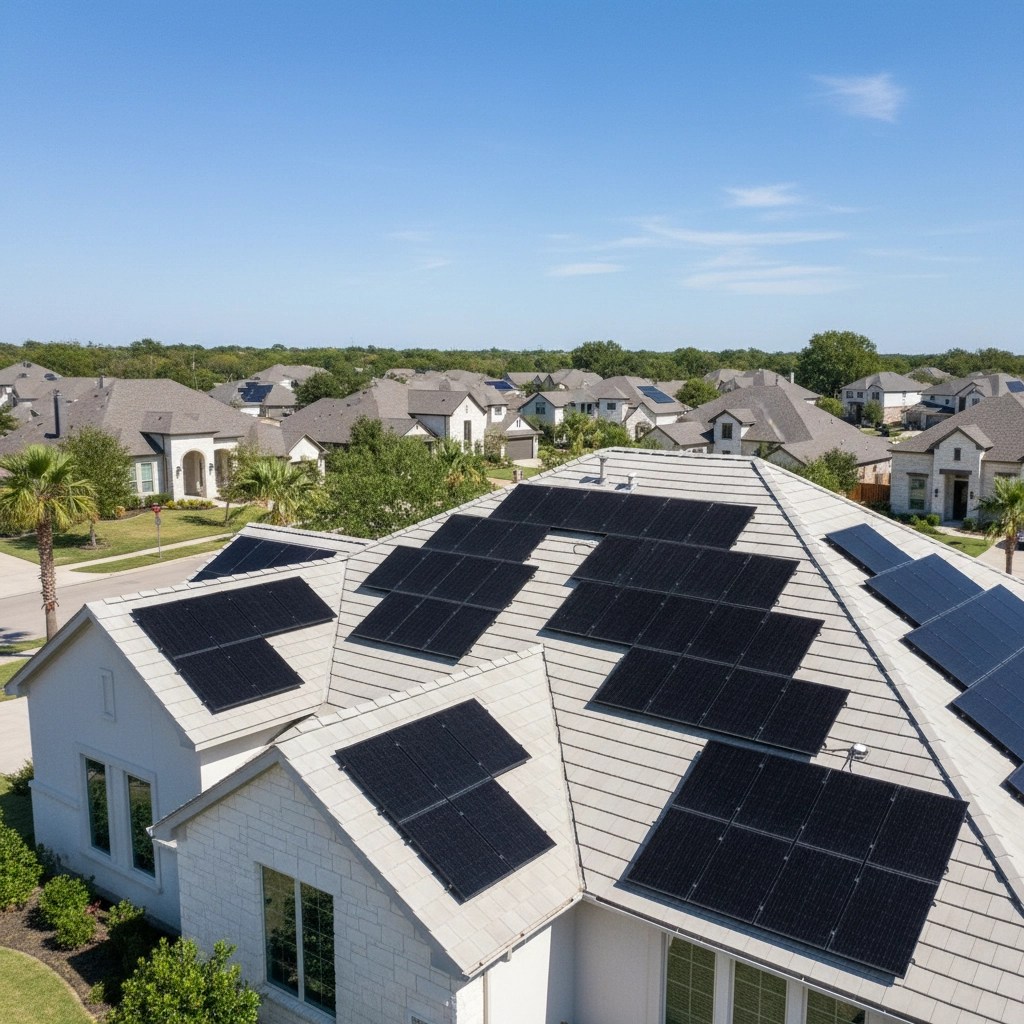
    ION Solar customers participated in grid stabilization through their residential solar installations, which generated electricity during peak demand hours and reduced strain on the central grid infrastructure. These distributed generation sources provided localized power production that decreased transmission requirements and enhanced overall system reliability.

    The company's installation approach supports grid stability through strategic system sizing and optimal panel placement. ION Solar's technical teams configure residential systems to maximize afternoon production, aligning generation with peak grid demand periods. This coordination between residential solar output and grid requirements contributes to system-wide stability.

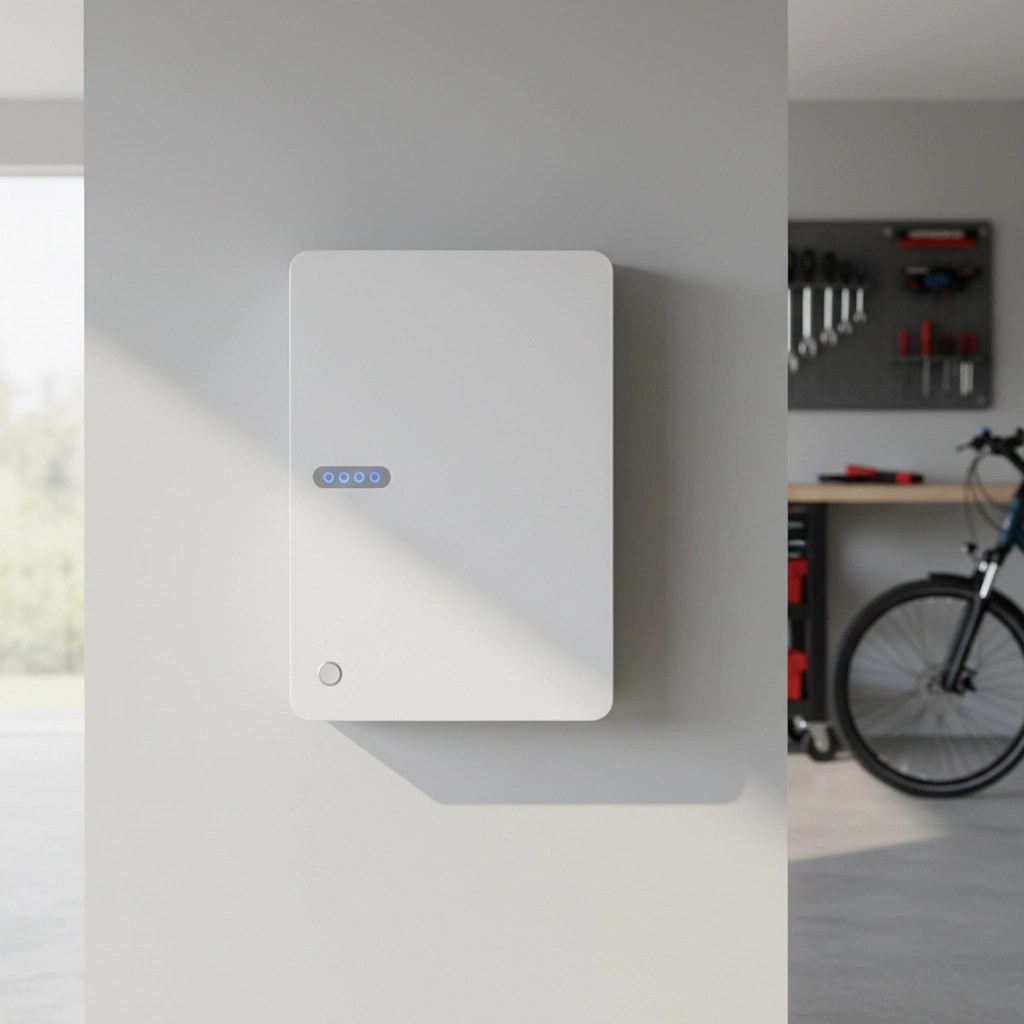
    Battery storage systems installed alongside ION Solar panels further enhanced grid support capabilities. These storage systems capture excess solar production during peak generation hours and discharge electricity during evening demand periods, extending the duration of solar contribution to grid stability.

    Preventing Grid Emergencies Through Distributed Generation

    Solar installations proved particularly valuable when conventional power sources experienced unplanned outages. During July 11-12, 2025, 5,019 MW of coal-fired generation went offline unexpectedly, representing 36.9% of the system's total coal capacity. Solar power, combined with battery storage systems, compensated for this generation shortfall.

    ION Solar customers with battery storage systems contributed to this grid support by maintaining local electricity supply and reducing demand on the central grid during the coal plant outages. The distributed nature of residential solar installations created multiple generation points that enhanced system resilience compared to centralized power plants.
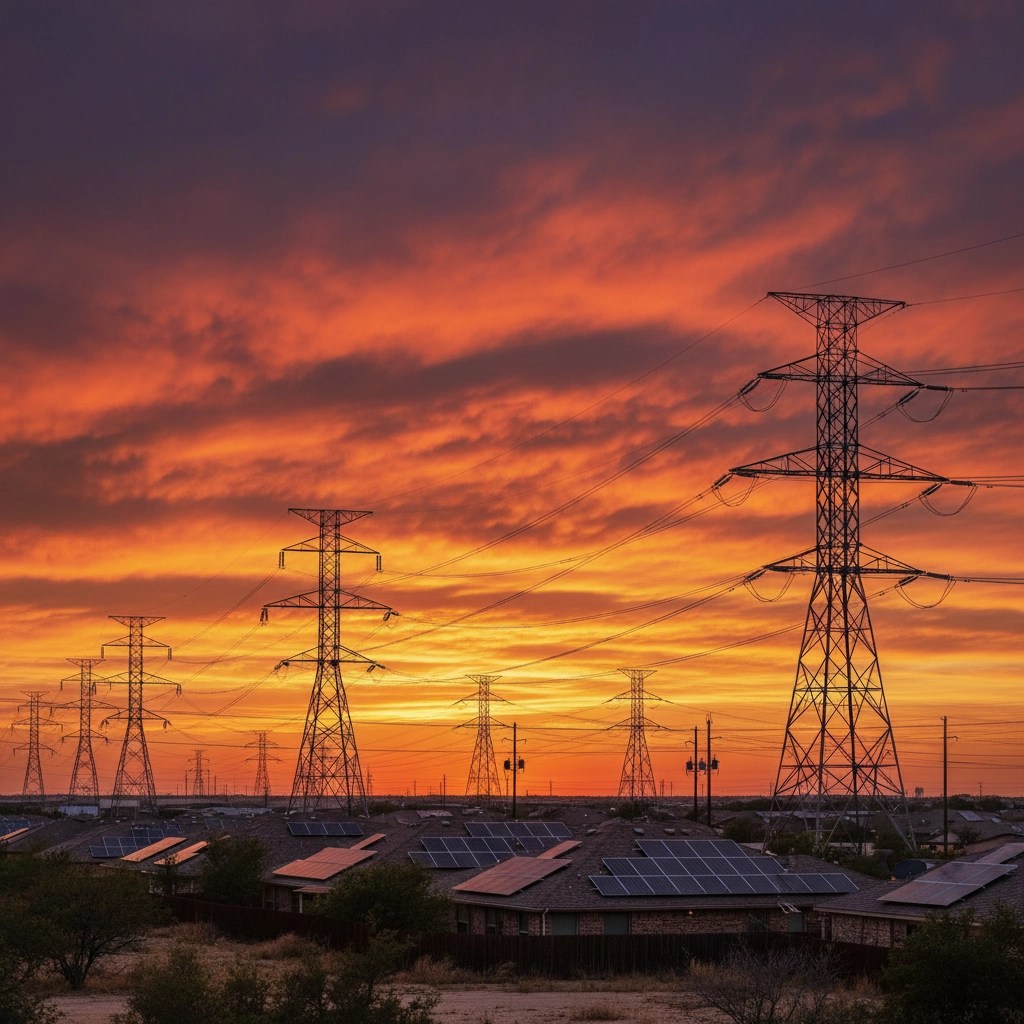
    image_2

    Technical Specifications Supporting Grid Integration

    ION Solar installations incorporate technical features that optimize grid integration and stability support. The company utilizes inverter systems that provide grid-forming capabilities, enabling residential solar installations to support voltage and frequency regulation during grid disturbances.

    Smart inverter technology installed with ION Solar systems allows for remote monitoring and control of residential generation, enabling grid operators to coordinate distributed solar output with system-wide requirements. This coordination capability proved essential during the high-demand periods of summer 2025.

    The company's installation standards include rapid shutdown capabilities and grid interconnection protocols that meet ERCOT requirements for distributed generation resources. These technical specifications ensure that ION Solar customer installations contribute to grid stability rather than creating additional operational challenges.

    Economic Benefits for ION Solar Customers

    ION Solar customers experienced direct financial benefits while contributing to grid stability during summer 2025. Residential solar systems generated electricity during peak rate periods, reducing customer electricity costs when grid demand and pricing reached maximum levels.

    Net metering arrangements allowed ION Solar customers to receive credit for excess electricity production during peak solar generation hours. These credits offset electricity consumption during evening and early morning periods, resulting in reduced overall electricity costs.

    The grid stability contributions of ION Solar installations also prevented potential rolling blackouts or emergency rate increases that could have resulted from grid stress during extreme heat events. This system-wide benefit provided indirect economic value to all Texas electricity consumers.
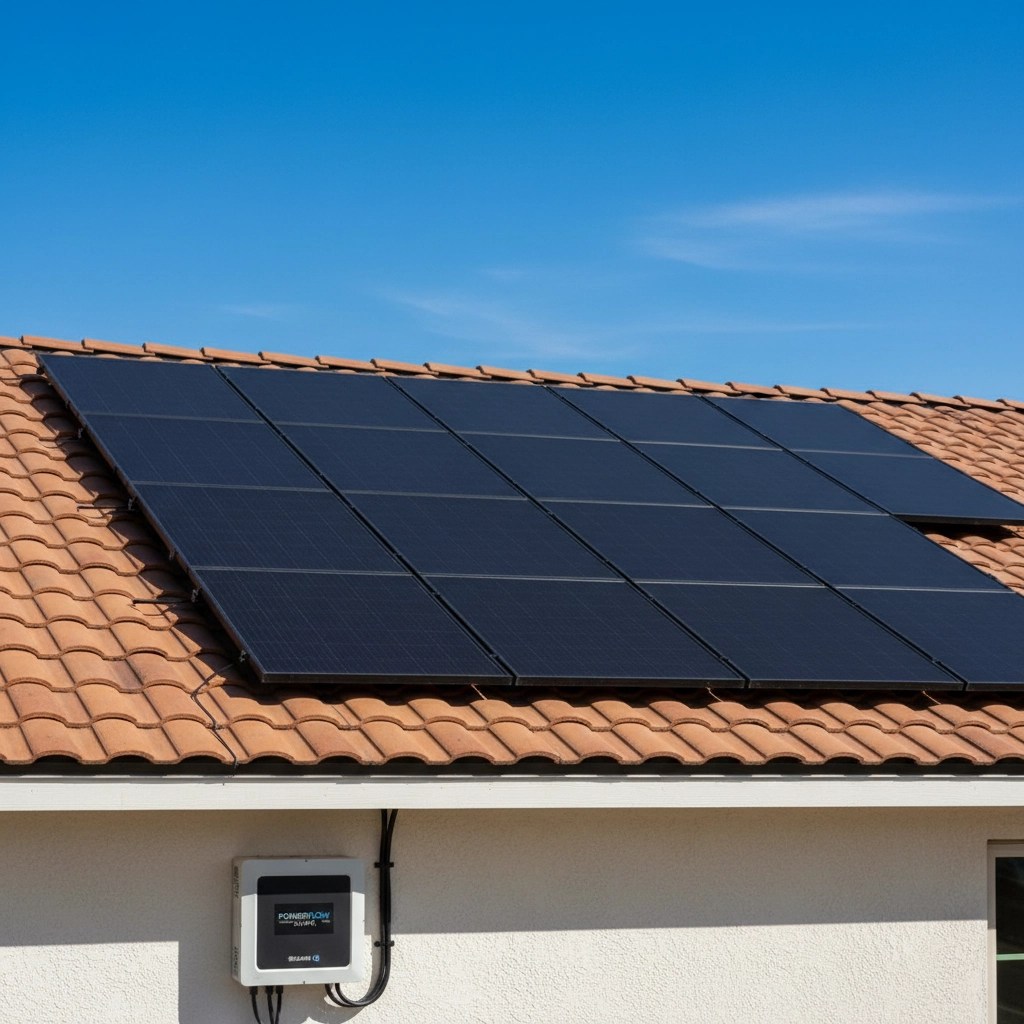
    image_3

    ION Solar Installation Process and Grid Integration

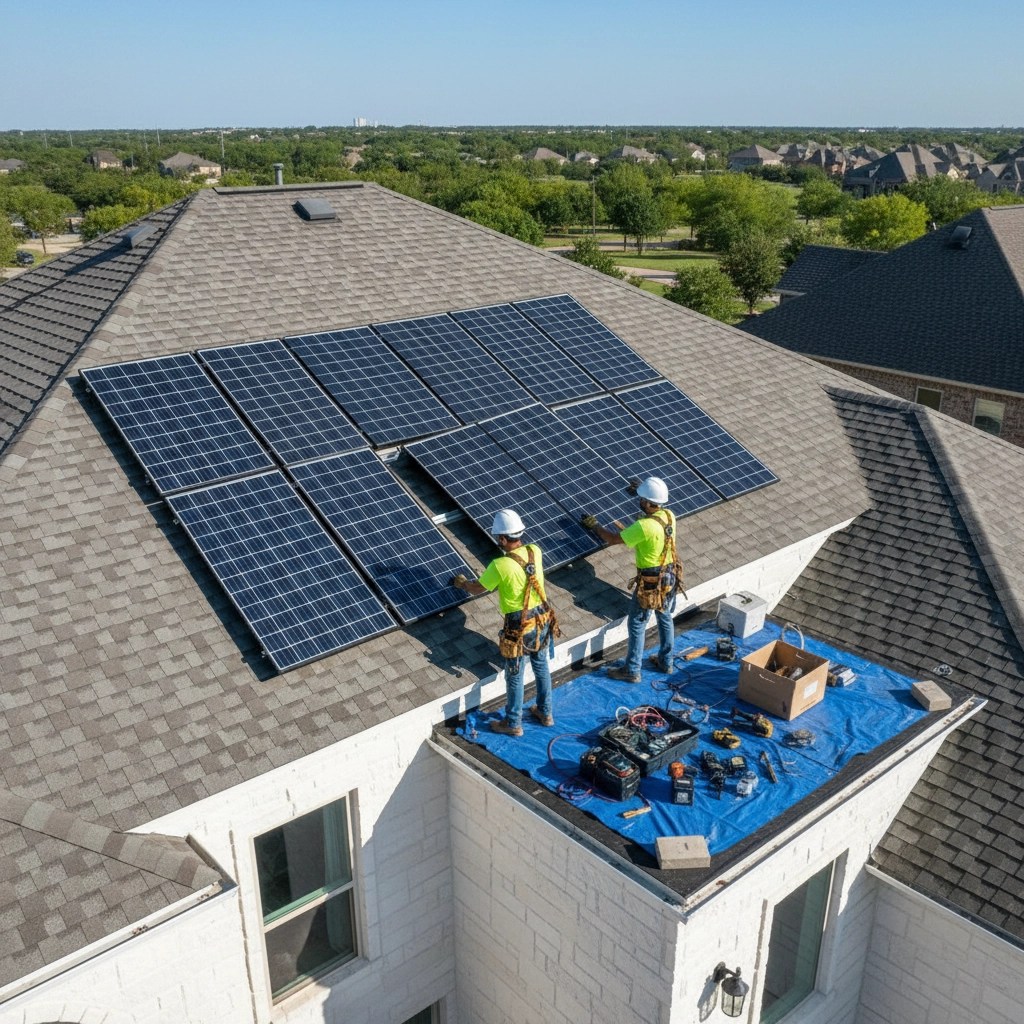
    ION Solar's installation methodology supports grid stability through comprehensive system design and professional installation practices. The company's technical teams conduct detailed site assessments to optimize system placement for maximum afternoon production, aligning residential generation with peak grid demand periods.

    Installation timelines average three weeks from contract signing to system activation, enabling rapid deployment of distributed generation resources. This installation efficiency contributed to the expansion of residential solar capacity that supported grid stability during summer 2025.

    The company's installation process includes coordination with local utility companies to ensure proper interconnection procedures and grid integration protocols. This coordination ensures that new ION Solar installations enhance rather than compromise local grid stability.

    Battery Storage Integration

    ION Solar customers with battery storage systems provided enhanced grid support during peak demand periods and grid disturbances. These storage systems captured excess solar production during midday hours and discharged electricity during evening peak demand periods.

    Battery storage systems installed by ION Solar include grid-interactive capabilities that allow participation in grid stabilization services. During the summer 2025 heat events, these systems provided frequency regulation and voltage support services that contributed to overall grid stability.

    The integration of solar panels with battery storage created resilient residential energy systems that maintained power supply during grid disturbances while reducing overall system stress during peak demand periods.

    Future Grid Stability Contributions

    ION Solar continues expanding residential solar installations across Texas, increasing the distributed generation capacity that supports grid stability. The company's growth trajectory positions ION Solar customers to provide enhanced grid support during future extreme weather events.

    Technological improvements in inverter systems and battery storage integration will increase the grid support capabilities of future ION Solar installations. These enhancements will enable residential solar systems to provide additional grid services including reactive power support and load balancing.

    The expansion of residential solar installations by ION Solar and other companies creates a more resilient Texas grid that reduces dependence on centralized generation sources and improves system reliability during extreme weather conditions.

    Contact Information

    For additional information regarding ION Solar installations and grid integration capabilities, contact the company directly to receive technical specifications and installation details.

    Rob Gonzalez – Manager DFW | 9566482089 | robert.gonzalez@ionsolar.com

  • How ION Solar Customers Helped Keep the Texas Grid Stable This Summer

    Texas experienced unprecedented grid stability during the extreme heat events of summer 2025, with solar installations playing a critical role in maintaining reliable electricity supply. ION Solar customers across the state contributed to this achievement through their residential solar systems, which complemented utility-scale solar generation to create a more resilient energy infrastructure.

    Record-Breaking Solar Performance Across Texas

    Solar energy installations throughout Texas established 17 generation records during 2025, with the most significant milestone occurring on September 9 when solar generated 29.8 gigawatts of electricity. This output provided approximately 40% of the state's electricity demand for seven consecutive hours between 9 a.m. and 4 p.m.

    The September 9 record represented an increase of 7,785 megawatts compared to the initial 2025 record of 22,092 MW established in January. During the peak summer months from June through August, solar consistently supplied 15.2% of all ERCOT demand, exceeding coal's 12.5% market share.

    ION Solar residential installations contributed to these achievements as part of the distributed solar network across Texas. While utility-scale solar farms generated the primary recorded output, residential systems installed by companies including ION Solar provided additional grid support beyond the documented utility-scale figures.

    image_1

    Grid Reliability Improvements

    The expansion of solar installations, including residential systems installed by ION Solar, fundamentally altered Texas grid management during extreme weather conditions. ERCOT did not issue conservation alerts during the 2025 summer heat events, contrasting with 11 conservation requests made during comparable conditions in 2023.

    This improvement occurred because solar power delivered electricity during peak afternoon hours when air conditioning demand reached maximum levels. On particularly challenging days, combined solar and wind generation met up to 49.6% of total state demand during peak consumption periods.

    ION Solar Customer Contributions to Grid Stability

    ION Solar customers participated in grid stabilization through their residential solar installations, which generated electricity during peak demand hours and reduced strain on the central grid infrastructure. These distributed generation sources provided localized power production that decreased transmission requirements and enhanced overall system reliability.

    The company's installation approach supports grid stability through strategic system sizing and optimal panel placement. ION Solar's technical teams configure residential systems to maximize afternoon production, aligning generation with peak grid demand periods. This coordination between residential solar output and grid requirements contributes to system-wide stability.

    Battery storage systems installed alongside ION Solar panels further enhanced grid support capabilities. These storage systems capture excess solar production during peak generation hours and discharge electricity during evening demand periods, extending the duration of solar contribution to grid stability.

    Preventing Grid Emergencies Through Distributed Generation

    Solar installations proved particularly valuable when conventional power sources experienced unplanned outages. During July 11-12, 2025, 5,019 MW of coal-fired generation went offline unexpectedly, representing 36.9% of the system's total coal capacity. Solar power, combined with battery storage systems, compensated for this generation shortfall.

    ION Solar customers with battery storage systems contributed to this grid support by maintaining local electricity supply and reducing demand on the central grid during the coal plant outages. The distributed nature of residential solar installations created multiple generation points that enhanced system resilience compared to centralized power plants.

    image_2

    Technical Specifications Supporting Grid Integration

    ION Solar installations incorporate technical features that optimize grid integration and stability support. The company utilizes inverter systems that provide grid-forming capabilities, enabling residential solar installations to support voltage and frequency regulation during grid disturbances.

    Smart inverter technology installed with ION Solar systems allows for remote monitoring and control of residential generation, enabling grid operators to coordinate distributed solar output with system-wide requirements. This coordination capability proved essential during the high-demand periods of summer 2025.

    The company's installation standards include rapid shutdown capabilities and grid interconnection protocols that meet ERCOT requirements for distributed generation resources. These technical specifications ensure that ION Solar customer installations contribute to grid stability rather than creating additional operational challenges.

    Economic Benefits for ION Solar Customers

    ION Solar customers experienced direct financial benefits while contributing to grid stability during summer 2025. Residential solar systems generated electricity during peak rate periods, reducing customer electricity costs when grid demand and pricing reached maximum levels.

    Net metering arrangements allowed ION Solar customers to receive credit for excess electricity production during peak solar generation hours. These credits offset electricity consumption during evening and early morning periods, resulting in reduced overall electricity costs.

    The grid stability contributions of ION Solar installations also prevented potential rolling blackouts or emergency rate increases that could have resulted from grid stress during extreme heat events. This system-wide benefit provided indirect economic value to all Texas electricity consumers.

    image_3

    ION Solar Installation Process and Grid Integration

    ION Solar's installation methodology supports grid stability through comprehensive system design and professional installation practices. The company's technical teams conduct detailed site assessments to optimize system placement for maximum afternoon production, aligning residential generation with peak grid demand periods.

    Installation timelines average three weeks from contract signing to system activation, enabling rapid deployment of distributed generation resources. This installation efficiency contributed to the expansion of residential solar capacity that supported grid stability during summer 2025.

    The company's installation process includes coordination with local utility companies to ensure proper interconnection procedures and grid integration protocols. This coordination ensures that new ION Solar installations enhance rather than compromise local grid stability.

    Battery Storage Integration

    ION Solar customers with battery storage systems provided enhanced grid support during peak demand periods and grid disturbances. These storage systems captured excess solar production during midday hours and discharged electricity during evening peak demand periods.

    Battery storage systems installed by ION Solar include grid-interactive capabilities that allow participation in grid stabilization services. During the summer 2025 heat events, these systems provided frequency regulation and voltage support services that contributed to overall grid stability.

    The integration of solar panels with battery storage created resilient residential energy systems that maintained power supply during grid disturbances while reducing overall system stress during peak demand periods.

    Future Grid Stability Contributions

    ION Solar continues expanding residential solar installations across Texas, increasing the distributed generation capacity that supports grid stability. The company's growth trajectory positions ION Solar customers to provide enhanced grid support during future extreme weather events.

    Technological improvements in inverter systems and battery storage integration will increase the grid support capabilities of future ION Solar installations. These enhancements will enable residential solar systems to provide additional grid services including reactive power support and load balancing.

    The expansion of residential solar installations by ION Solar and other companies creates a more resilient Texas grid that reduces dependence on centralized generation sources and improves system reliability during extreme weather conditions.

    Contact Information

    For additional information regarding ION Solar installations and grid integration capabilities, contact the company directly to receive technical specifications and installation details.

    Rob Gonzalez – Manager DFW | 9566482089 | robert.gonzalez@ionsolar.com

  • How ION Solar Customers Helped Keep the Texas Grid Stable This Summer

    Texas experienced unprecedented grid stability during the extreme heat events of summer 2025, with solar installations playing a critical role in maintaining reliable electricity supply. ION Solar customers across the state contributed to this achievement through their residential solar systems, which complemented utility-scale solar generation to create a more resilient energy infrastructure.

    Record-Breaking Solar Performance Across Texas

    Solar energy installations throughout Texas established 17 generation records during 2025, with the most significant milestone occurring on September 9 when solar generated 29.8 gigawatts of electricity. This output provided approximately 40% of the state's electricity demand for seven consecutive hours between 9 a.m. and 4 p.m.

    The September 9 record represented an increase of 7,785 megawatts compared to the initial 2025 record of 22,092 MW established in January. During the peak summer months from June through August, solar consistently supplied 15.2% of all ERCOT demand, exceeding coal's 12.5% market share.

    ION Solar residential installations contributed to these achievements as part of the distributed solar network across Texas. While utility-scale solar farms generated the primary recorded output, residential systems installed by companies including ION Solar provided additional grid support beyond the documented utility-scale figures.

    image_1

    Grid Reliability Improvements

    The expansion of solar installations, including residential systems installed by ION Solar, fundamentally altered Texas grid management during extreme weather conditions. ERCOT did not issue conservation alerts during the 2025 summer heat events, contrasting with 11 conservation requests made during comparable conditions in 2023.

    This improvement occurred because solar power delivered electricity during peak afternoon hours when air conditioning demand reached maximum levels. On particularly challenging days, combined solar and wind generation met up to 49.6% of total state demand during peak consumption periods.

    ION Solar Customer Contributions to Grid Stability

    ION Solar customers participated in grid stabilization through their residential solar installations, which generated electricity during peak demand hours and reduced strain on the central grid infrastructure. These distributed generation sources provided localized power production that decreased transmission requirements and enhanced overall system reliability.

    The company's installation approach supports grid stability through strategic system sizing and optimal panel placement. ION Solar's technical teams configure residential systems to maximize afternoon production, aligning generation with peak grid demand periods. This coordination between residential solar output and grid requirements contributes to system-wide stability.

    Battery storage systems installed alongside ION Solar panels further enhanced grid support capabilities. These storage systems capture excess solar production during peak generation hours and discharge electricity during evening demand periods, extending the duration of solar contribution to grid stability.

    Preventing Grid Emergencies Through Distributed Generation

    Solar installations proved particularly valuable when conventional power sources experienced unplanned outages. During July 11-12, 2025, 5,019 MW of coal-fired generation went offline unexpectedly, representing 36.9% of the system's total coal capacity. Solar power, combined with battery storage systems, compensated for this generation shortfall.

    ION Solar customers with battery storage systems contributed to this grid support by maintaining local electricity supply and reducing demand on the central grid during the coal plant outages. The distributed nature of residential solar installations created multiple generation points that enhanced system resilience compared to centralized power plants.

    image_2

    Technical Specifications Supporting Grid Integration

    ION Solar installations incorporate technical features that optimize grid integration and stability support. The company utilizes inverter systems that provide grid-forming capabilities, enabling residential solar installations to support voltage and frequency regulation during grid disturbances.

    Smart inverter technology installed with ION Solar systems allows for remote monitoring and control of residential generation, enabling grid operators to coordinate distributed solar output with system-wide requirements. This coordination capability proved essential during the high-demand periods of summer 2025.

    The company's installation standards include rapid shutdown capabilities and grid interconnection protocols that meet ERCOT requirements for distributed generation resources. These technical specifications ensure that ION Solar customer installations contribute to grid stability rather than creating additional operational challenges.

    Economic Benefits for ION Solar Customers

    ION Solar customers experienced direct financial benefits while contributing to grid stability during summer 2025. Residential solar systems generated electricity during peak rate periods, reducing customer electricity costs when grid demand and pricing reached maximum levels.

    Net metering arrangements allowed ION Solar customers to receive credit for excess electricity production during peak solar generation hours. These credits offset electricity consumption during evening and early morning periods, resulting in reduced overall electricity costs.

    The grid stability contributions of ION Solar installations also prevented potential rolling blackouts or emergency rate increases that could have resulted from grid stress during extreme heat events. This system-wide benefit provided indirect economic value to all Texas electricity consumers.

    image_3

    ION Solar Installation Process and Grid Integration

    ION Solar's installation methodology supports grid stability through comprehensive system design and professional installation practices. The company's technical teams conduct detailed site assessments to optimize system placement for maximum afternoon production, aligning residential generation with peak grid demand periods.

    Installation timelines average three weeks from contract signing to system activation, enabling rapid deployment of distributed generation resources. This installation efficiency contributed to the expansion of residential solar capacity that supported grid stability during summer 2025.

    The company's installation process includes coordination with local utility companies to ensure proper interconnection procedures and grid integration protocols. This coordination ensures that new ION Solar installations enhance rather than compromise local grid stability.

    Battery Storage Integration

    ION Solar customers with battery storage systems provided enhanced grid support during peak demand periods and grid disturbances. These storage systems captured excess solar production during midday hours and discharged electricity during evening peak demand periods.

    Battery storage systems installed by ION Solar include grid-interactive capabilities that allow participation in grid stabilization services. During the summer 2025 heat events, these systems provided frequency regulation and voltage support services that contributed to overall grid stability.

    The integration of solar panels with battery storage created resilient residential energy systems that maintained power supply during grid disturbances while reducing overall system stress during peak demand periods.

    Future Grid Stability Contributions

    ION Solar continues expanding residential solar installations across Texas, increasing the distributed generation capacity that supports grid stability. The company's growth trajectory positions ION Solar customers to provide enhanced grid support during future extreme weather events.

    Technological improvements in inverter systems and battery storage integration will increase the grid support capabilities of future ION Solar installations. These enhancements will enable residential solar systems to provide additional grid services including reactive power support and load balancing.

    The expansion of residential solar installations by ION Solar and other companies creates a more resilient Texas grid that reduces dependence on centralized generation sources and improves system reliability during extreme weather conditions.

    Contact Information

    For additional information regarding ION Solar installations and grid integration capabilities, contact the company directly to receive technical specifications and installation details.

    Rob Gonzalez – Manager DFW | 9566482089 | robert.gonzalez@ionsolar.com

  • Solar Scams in Texas: 7 Red Flags Every Homeowner Should Know Before Signing

    The Texas solar market has experienced unprecedented growth, with solar installation texas projects increasing dramatically over the past five years. However, this expansion has attracted fraudulent operators seeking to exploit homeowners interested in solar energy texas solutions. According to state agency data, solar-related complaints have increased by over 500 percent from 2018 to 2023, highlighting the critical need for consumer awareness regarding deceptive practices in the solar industry.

    Texas homeowners considering solar panels for home texas installations must recognize warning signs that distinguish legitimate companies from fraudulent operators. The following red flags represent the most common tactics employed by scam companies operating throughout the state.

    Red Flag #1: Claims of "Free Solar Panels"

    Advertisements promoting completely free solar installations constitute one of the most prevalent deceptive practices in the solar industry. Companies making these claims typically refer to third-party ownership arrangements such as power purchase agreements or solar leases, which involve significant long-term financial obligations rather than free installations.

    Under these arrangements, homeowners make monthly lease payments or purchase energy produced by the panels for periods extending 20 years or longer. Contracts frequently include escalator clauses that increase payment amounts annually. The solar company retains ownership of the panels and collects government incentives, generating substantial profits while homeowners remain bound to long-term financial commitments.

    image_1

    Legitimate solar power for homeowners involves transparent cost structures and clear ownership arrangements. Companies promoting genuine solar energy solutions provide detailed financial analysis including actual solar panel cost texas information and realistic projections for solar savings texas.

    Red Flag #2: High-Pressure Sales Tactics and Artificial Urgency

    Fraudulent companies frequently employ aggressive door-to-door sales representatives who create false urgency to compel immediate decision-making. Common pressure tactics include claims that incentives are "ending soon" or quotes are "available today only." Sales representatives may assert that homeowners will have "no electric bill" or that installation involves "no cost."

    Legitimate home solar installation companies provide comprehensive information and allow adequate time for decision-making without applying undue pressure. Reputable installers understand that solar energy represents a significant investment requiring careful consideration of multiple factors including system sizing, financing options, and long-term performance expectations.

    Red Flag #3: Forged Documents and Misleading Contract Practices

    Fraudulent operators often engage in document manipulation, including forging signatures or misrepresenting the nature of documents requiring homeowner signatures. Contract-related red flags include vague or incomplete details regarding system specifications, costs, timeline, or performance guarantees.

    Legitimate contracts for renewable energy for homes include comprehensive documentation specifying equipment specifications, installation timeline, warranty terms, and detailed cost breakdowns. Homeowners should never sign contracts without receiving complete documentation and adequate time for review.

    Companies requesting signatures without proper explanation of terms or refusing to provide hard copies of contracts exhibit clear warning signs of fraudulent practices. All legitimate solar installation agreements must include adequate disclosure statements before transaction completion.

    Red Flag #4: Requests for Large Upfront Payments

    Reputable solar installers typically do not require substantial upfront payments before beginning installation work. Companies demanding large sums of money prior to installation or promoting high-cost, long-duration loans with hidden fees represent significant red flags.

    image_2

    Legitimate financing for solar panels for home texas installations involves transparent payment structures with clearly defined terms. Established companies offer various financing options including solar loans, leases, and purchase agreements with reasonable payment schedules aligned with installation milestones.

    Texas homeowners should be particularly wary of companies requiring full payment before installation completion or those unable to provide clear explanations of financing terms and conditions.

    Red Flag #5: Impersonation of Utility Companies or Government Agencies

    Some fraudulent operators pose as representatives from local utility companies or claim government endorsement to appear legitimate. These impersonation tactics exploit homeowner trust and may involve false claims regarding utility company programs or government initiatives.

    Homeowners should verify the identity of any individual claiming to represent utility providers by contacting the company directly through official channels. Government agencies do not typically send door-to-door representatives to promote solar installations or renewable energy for homes programs.

    Legitimate solar companies clearly identify themselves and their business affiliations without misrepresenting relationships with utility companies or government entities. Solar incentives texas programs are administered through official channels with transparent application processes rather than door-to-door solicitation.

    Red Flag #6: Poor Installation Quality and System Failures

    Installation quality represents a critical concern in the Texas solar market, with data indicating that 18% to 24% of solar installations in Austin and San Antonio fail initial inspections. Poor installation practices result in systems that fail to meet performance expectations and may create safety hazards.

    Warning signs of poor installation quality include companies that skip proper site surveys and power consumption analysis before providing quotes. Inadequate site assessment leads to improperly sized systems that fail to meet homeowner energy needs or generate projected savings.

    image_3

    Additional quality concerns include systems that are not properly connected to the electrical grid, equipment that fails inspections repeatedly, and installations that produce significantly less energy than promised. These issues leave homeowners with non-functional systems while remaining obligated for loan payments.

    Verification of installer licensing and insurance represents essential due diligence for homeowners considering solar energy texas installations. All work must comply with local building codes and electrical standards to ensure system safety and performance.

    Red Flag #7: The Disappearing Company Problem

    The most devastating scam scenario involves companies that become unresponsive or cease operations after installation, leaving homeowners with non-functional systems and ongoing financial obligations. These "disappearing companies" provide minimal customer service after installation and become unresponsive when system problems arise.

    This situation creates circumstances where homeowners cannot access warranty services or system maintenance while loan obligations continue despite system failures. The disappearing company problem has affected numerous Texas homeowners, resulting in expensive non-functional installations and ongoing financial liability.

    Companies exhibiting limited customer service capabilities, poor communication practices, or reluctance to provide comprehensive warranty documentation may indicate increased risk of future unavailability for service needs.

    Protection Measures and Legal Recourse

    Texas homeowners have legal protections under the Texas Deceptive Trade Practices Act, which provides recourse against fraud, misrepresentation, and breach of contract in solar transactions. Before signing any solar agreement, homeowners should obtain multiple quotes from licensed, established companies and research company reviews and Better Business Bureau ratings.

    image_4

    All claims regarding savings, incentives, and system performance require verification through independent sources. Contracts should include clear cancellation clauses that void associated loan obligations in cases of system failure or company non-performance.

    Confirmation of proper installer licensing and bonding represents essential protection against installation quality issues and company reliability concerns. Homeowners should verify all licensing through official state channels rather than relying on company-provided documentation.

    Due Diligence Requirements

    Effective protection against solar scams requires comprehensive due diligence including verification of company licensing, insurance coverage, and business registration. Homeowners should request references from recent installations and contact previous customers regarding their experience with system performance and customer service.

    Financial analysis should include independent verification of projected savings calculations and comparison with utility bill history to ensure realistic expectations. All equipment specifications, warranty terms, and maintenance requirements must be clearly documented before contract execution.

    The solar industry provides legitimate benefits for Texas homeowners when installations are performed by reputable companies using quality equipment and professional installation practices. However, the growing number of fraudulent operators requires heightened consumer awareness and careful evaluation of all solar energy proposals.

    Homeowners considering solar installations should prioritize working with established companies that demonstrate transparent business practices, provide comprehensive documentation, and maintain proper licensing and insurance coverage for long-term system support and warranty service.

    Rob Gonzalez – Manager DFW | 9566482089 | robert.gonzalez@ionsolar.com

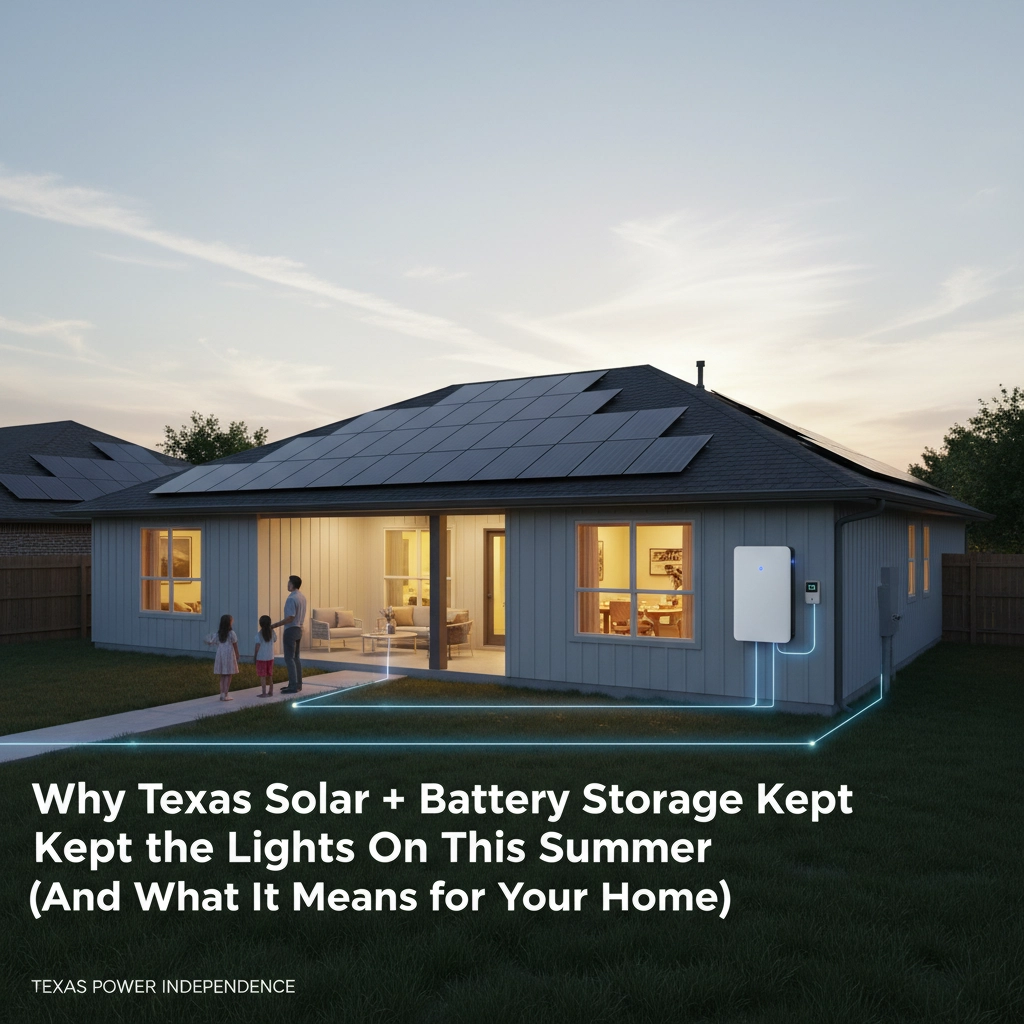
  • Why Texas Solar + Battery Storage Kept the Lights On This Summer (And What It Means for Your Home)

    Remember those sweltering summer days when you'd hold your breath every time you got your electricity bill? Or when the grid seemed one heat wave away from another Winter Storm Uri situation? Well, this past summer told a completely different story for Texas. Solar panels paired with battery storage didn't just perform well, they absolutely crushed it, keeping the lights on when we needed them most.

    If you're a Texas homeowner who's been on the fence about solar installation Texas, this summer's success story might just change your mind. Let's break down what happened and what it means for your home.

    The Summer That Changed Everything

    Summer 2024 will go down in Texas energy history as the season that proved renewable energy isn't just nice to have, it's essential infrastructure. For the first time in years, ERCOT (that's our grid operator) didn't issue a single conservation appeal asking folks to turn up their thermostats or avoid using major appliances.

    Compare that to 2023, when we got hit with 11 different conservation appeals throughout the summer. The difference? Solar energy Texas generation hit record levels, contributing nearly 25% of our power during those crucial midday hours when everyone's cranking their AC.

    But here's where it gets really interesting: solar output averaged nearly 17,000 megawatts between 11 a.m. and 2 p.m., compared to just 12,000 MW during those same hours in 2023. That's massive growth in just one year.

    image_1

    The Battery Storage Game-Changer

    Now, solar panels are great during the day, but what happens when the sun goes down and everyone's still running their air conditioners? That's where battery storage became the real hero of summer 2024.

    Battery discharge from storage facilities averaged 714 MW between 6 p.m. and 9 p.m., those peak evening hours when demand stays high but solar starts dropping off. That's up from just 238 MW in 2023. On August 20, when Texas set a new electricity demand record, battery discharge itself hit a record 3,927 MW at 7:35 p.m.

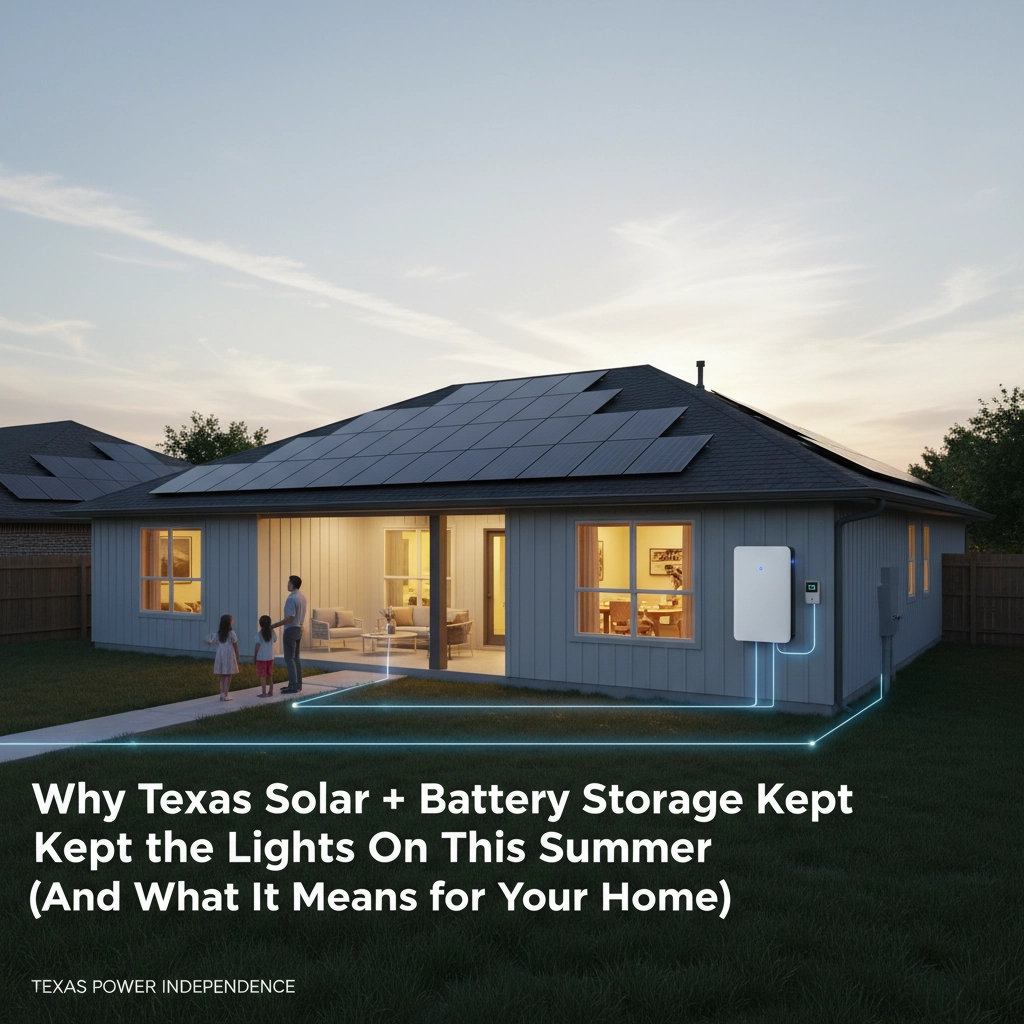
    Think of it this way: solar panels for home Texas installations work similarly to the grid-scale systems. Your panels generate power during the day, store excess energy in your battery, then release that stored power when you need it most, like those expensive evening hours when grid electricity costs can skyrocket.

    What This Means for Your Home Solar Installation

    The grid-level success we saw this summer translates directly to benefits for homeowners considering home solar installation. Here's how this technology can work for your specific situation:

    Energy Independence When You Need It Most

    A solar power for homeowners system paired with battery storage means you're not completely dependent on the grid. When everyone else is sweating through rolling blackouts or paying premium prices during peak demand, you're running off your own stored sunshine.

    During outages, your battery kicks in automatically. Your refrigerator keeps running, your AC stays on, and your kids can still charge their devices. It's like having your own personal power plant.

    Smart Timing for Maximum Savings

    Battery storage systems are smart about when to charge and discharge. They'll store up power during the day when solar production is high and electricity rates are typically lower, then release that power during expensive peak hours. The solar savings Texas homeowners are seeing from this strategy can be substantial over time.

    image_2

    Avoiding Peak-Hour Price Spikes

    While not all Texas areas have time-of-use pricing yet, it's coming. When it does arrive in your area, having battery storage means you can avoid those expensive peak-hour rates by using your stored solar power instead of buying from the grid when prices spike.

    The Real-World Benefits for Texas Homeowners

    Let's get specific about what solar and battery storage can do for your home:

    Blackout Protection: Texas weather can be unpredictable. Hurricane season, ice storms, equipment failures, when the grid goes down, your battery-backed solar system keeps essential systems running. No more throwing out groceries because the power was out for days.

    Bill Reduction: Solar panel cost Texas has dropped significantly over the years, and when you factor in federal tax credits and local incentives, the math works out well for most homeowners. Add battery storage, and you're maximizing the value of every ray of sunshine your panels capture.

    Grid Independence: You're not just saving money, you're reducing strain on the grid during peak times. That helps everyone, and it means you're less affected when grid demand spikes cause problems for other folks.

    image_3

    The Technology That Made It Possible

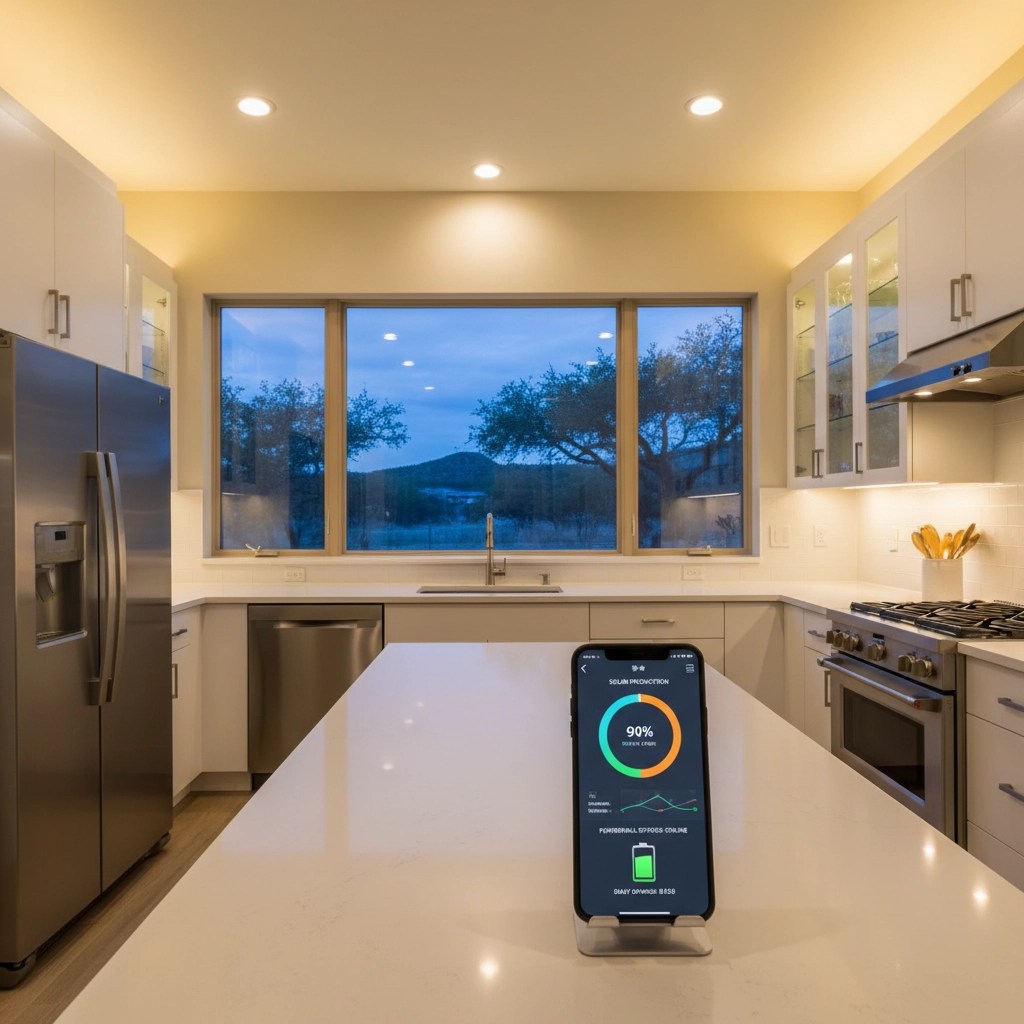
    Modern renewable energy for homes systems are way smarter than the solar installations from even five years ago. Today's battery systems come with apps that let you monitor your energy production, storage levels, and usage patterns right from your phone.

    You can see exactly how much power your panels generated today, how much energy you're storing, and when your system switched from solar to battery power. Some systems even let you set preferences for how aggressively you want to use stored power versus buying from the grid.

    Cost Considerations and Incentives

    One of the biggest questions homeowners ask is about cost. Yes, adding battery storage increases your upfront investment compared to solar panels alone. But solar incentives Texas homeowners can access help offset these costs significantly.

    The federal solar tax credit applies to both solar panels and battery storage when they're installed together. Many utility companies also offer rebates for battery installations, recognizing their value for grid stability.

    When you factor in the potential savings from avoiding peak electricity rates, backup power value during outages, and the long-term protection against rising energy costs, the numbers often work in your favor.

    image_4

    Looking Ahead: The Future of Texas Energy

    Summer 2024 proved that solar and battery storage aren't just environmental feel-good technologies: they're practical solutions for Texas's energy challenges. ERCOT is forecasting continued growth in electricity demand as more data centers come online and more people switch to electric vehicles.

    The state is planning to add several more gigawatts of battery storage in the coming years, potentially reaching 20 GW or more. For homeowners, this means the technology will continue improving while costs continue dropping.

    Is Solar + Battery Storage Right for Your Home?

    Every home is different, but if you're in Texas and you've been considering solar, the events of summer 2024 show just how valuable this technology can be. The combination of energy independence, cost savings, and peace of mind during outages makes a compelling case.

    The best part? You don't need to wait for perfect conditions. Modern solar systems work efficiently even during Texas's cloudy days, and battery storage means you can use solar power even when the sun isn't shining.

    image_5

    Making the Decision

    If you're ready to explore solar installation Texas options for your home, the key is working with experienced installers who understand both the technology and local conditions. They can assess your specific situation, energy usage patterns, and help you size a system that meets your needs and budget.

    The grid-level success we witnessed this summer shows that solar and battery storage aren't experimental anymore: they're proven, reliable technology that's keeping Texas powered up when it matters most. For homeowners, that same reliability, independence, and savings potential is now available at the residential level.

    Your home could be generating its own clean power, storing it for when you need it most, and keeping your family comfortable and connected even when the broader grid faces challenges. That's not just good for your wallet; it's good for Texas.

    Rob Gonzalez – Manager DFW | 9566482089 | robert.gonzalez@ionsolar.com

  • Why Texas Solar + Battery Storage Kept the Lights On This Summer (And What It Means for Your Home)

    Remember those sweltering summer days when you'd hold your breath every time you got your electricity bill? Or when the grid seemed one heat wave away from another Winter Storm Uri situation? Well, this past summer told a completely different story for Texas. Solar panels paired with battery storage didn't just perform well, they absolutely crushed it, keeping the lights on when we needed them most.

    If you're a Texas homeowner who's been on the fence about solar installation Texas, this summer's success story might just change your mind. Let's break down what happened and what it means for your home.

    The Summer That Changed Everything

    Summer 2024 will go down in Texas energy history as the season that proved renewable energy isn't just nice to have, it's essential infrastructure. For the first time in years, ERCOT (that's our grid operator) didn't issue a single conservation appeal asking folks to turn up their thermostats or avoid using major appliances.

    Compare that to 2023, when we got hit with 11 different conservation appeals throughout the summer. The difference? Solar energy Texas generation hit record levels, contributing nearly 25% of our power during those crucial midday hours when everyone's cranking their AC.

    But here's where it gets really interesting: solar output averaged nearly 17,000 megawatts between 11 a.m. and 2 p.m., compared to just 12,000 MW during those same hours in 2023. That's massive growth in just one year.

    image_1

    The Battery Storage Game-Changer

    Now, solar panels are great during the day, but what happens when the sun goes down and everyone's still running their air conditioners? That's where battery storage became the real hero of summer 2024.

    Battery discharge from storage facilities averaged 714 MW between 6 p.m. and 9 p.m., those peak evening hours when demand stays high but solar starts dropping off. That's up from just 238 MW in 2023. On August 20, when Texas set a new electricity demand record, battery discharge itself hit a record 3,927 MW at 7:35 p.m.

    Think of it this way: solar panels for home Texas installations work similarly to the grid-scale systems. Your panels generate power during the day, store excess energy in your battery, then release that stored power when you need it most, like those expensive evening hours when grid electricity costs can skyrocket.

    What This Means for Your Home Solar Installation

    The grid-level success we saw this summer translates directly to benefits for homeowners considering home solar installation. Here's how this technology can work for your specific situation:

    Energy Independence When You Need It Most

    A solar power for homeowners system paired with battery storage means you're not completely dependent on the grid. When everyone else is sweating through rolling blackouts or paying premium prices during peak demand, you're running off your own stored sunshine.

    During outages, your battery kicks in automatically. Your refrigerator keeps running, your AC stays on, and your kids can still charge their devices. It's like having your own personal power plant.

    Smart Timing for Maximum Savings

    Battery storage systems are smart about when to charge and discharge. They'll store up power during the day when solar production is high and electricity rates are typically lower, then release that power during expensive peak hours. The solar savings Texas homeowners are seeing from this strategy can be substantial over time.

    image_2

    Avoiding Peak-Hour Price Spikes

    While not all Texas areas have time-of-use pricing yet, it's coming. When it does arrive in your area, having battery storage means you can avoid those expensive peak-hour rates by using your stored solar power instead of buying from the grid when prices spike.

    The Real-World Benefits for Texas Homeowners

    Let's get specific about what solar and battery storage can do for your home:

    Blackout Protection: Texas weather can be unpredictable. Hurricane season, ice storms, equipment failures, when the grid goes down, your battery-backed solar system keeps essential systems running. No more throwing out groceries because the power was out for days.

    Bill Reduction: Solar panel cost Texas has dropped significantly over the years, and when you factor in federal tax credits and local incentives, the math works out well for most homeowners. Add battery storage, and you're maximizing the value of every ray of sunshine your panels capture.

    Grid Independence: You're not just saving money, you're reducing strain on the grid during peak times. That helps everyone, and it means you're less affected when grid demand spikes cause problems for other folks.

    image_3

    The Technology That Made It Possible

    Modern renewable energy for homes systems are way smarter than the solar installations from even five years ago. Today's battery systems come with apps that let you monitor your energy production, storage levels, and usage patterns right from your phone.

    You can see exactly how much power your panels generated today, how much energy you're storing, and when your system switched from solar to battery power. Some systems even let you set preferences for how aggressively you want to use stored power versus buying from the grid.

    Cost Considerations and Incentives

    One of the biggest questions homeowners ask is about cost. Yes, adding battery storage increases your upfront investment compared to solar panels alone. But solar incentives Texas homeowners can access help offset these costs significantly.

    The federal solar tax credit applies to both solar panels and battery storage when they're installed together. Many utility companies also offer rebates for battery installations, recognizing their value for grid stability.

    When you factor in the potential savings from avoiding peak electricity rates, backup power value during outages, and the long-term protection against rising energy costs, the numbers often work in your favor.

    image_4

    Looking Ahead: The Future of Texas Energy

    Summer 2024 proved that solar and battery storage aren't just environmental feel-good technologies: they're practical solutions for Texas's energy challenges. ERCOT is forecasting continued growth in electricity demand as more data centers come online and more people switch to electric vehicles.

    The state is planning to add several more gigawatts of battery storage in the coming years, potentially reaching 20 GW or more. For homeowners, this means the technology will continue improving while costs continue dropping.

    Is Solar + Battery Storage Right for Your Home?

    Every home is different, but if you're in Texas and you've been considering solar, the events of summer 2024 show just how valuable this technology can be. The combination of energy independence, cost savings, and peace of mind during outages makes a compelling case.

    The best part? You don't need to wait for perfect conditions. Modern solar systems work efficiently even during Texas's cloudy days, and battery storage means you can use solar power even when the sun isn't shining.

    image_5

    Making the Decision

    If you're ready to explore solar installation Texas options for your home, the key is working with experienced installers who understand both the technology and local conditions. They can assess your specific situation, energy usage patterns, and help you size a system that meets your needs and budget.

    The grid-level success we witnessed this summer shows that solar and battery storage aren't experimental anymore: they're proven, reliable technology that's keeping Texas powered up when it matters most. For homeowners, that same reliability, independence, and savings potential is now available at the residential level.

    Your home could be generating its own clean power, storing it for when you need it most, and keeping your family comfortable and connected even when the broader grid faces challenges. That's not just good for your wallet; it's good for Texas.

    Rob Gonzalez – Manager DFW | 9566482089 | robert.gonzalez@ionsolar.com
  • ION Solar Dallas home solar installation in Dallas, Texas

    Dallas homeowners evaluating home solar installation and solar panels for home Texas benefit from legislative reforms effective September 1, 2025. The reforms address permitting bottlenecks, consumer protection, and regulatory barriers that extended timelines for solar installation Dallas projects. ION Solar Dallas aligns processes with the updated framework for solar energy Texas compliance.

    Streamlined Permitting Under SB 1202 for Home Solar Installation in Dallas, Texas

    Senate Bill 1202 represents a significant change for solar installation Dallas processes and solar installation Texas procedures. The legislation applies to distributed energy resources, battery energy storage systems, and standby power installations connected at voltages below 600 volts and commonly used in solar power for homeowners.

    The framework permits authorized persons to review development documents and conduct inspections without separate approval from regulatory authorities. Reviewers may utilize automated systems including SolarApp+, reducing processing delays for Dallas home solar installation and solar panels for home Texas projects.

    ION Solar Dallas permitting — home solar installation in Texas

    Under the revised system, regulatory authorities must issue permits within two business days of receiving inspection notice or document approval. Construction may commence immediately following permit issuance, reducing waiting periods that previously delayed Dallas solar installations by weeks or months and supporting solar savings Texas through shorter timelines.

    The legislation prohibits regulatory authorities from imposing fees related to document review or inspection processes. Authorities must provide transparent fee schedules for permit issuance costs, supporting clear visibility into solar panel cost Texas and total project pricing.

    Enhanced Consumer Protection Measures for Solar Power for Homeowners in Texas

    Senate Bill 1697 mandates the Public Utilities Commission of Texas develop a comprehensive solar guide for prospective system owners. This resource includes suggested questions for utility companies regarding net metering programs, available rebates, design considerations for optimal system efficiency, and financial information covering tax credits and financing options, along with references to renewable energy for homes.

    Texas utilities must include links to this online guide with customer billing statements for a minimum 12-month period, ensuring Dallas homeowners receive consistent access to solar installation information.

    Solar energy Texas consumer protections — ION Solar Dallas

    The Residential Solar Retailer Regulatory Act (SB 1036) provides additional consumer safeguards for Dallas home solar installation and solar panel installations, establishing regulatory frameworks for solar retailers operating in Texas residential markets.

    Homeowner Association Rule Clarifications for Solar Energy Texas

    House Bill 431, effective May 29, 2025, expands solar energy device definitions to include solar roof tiles. This classification ensures solar roof tiles receive identical legal protections as traditional solar panels for Dallas homeowners in deed-restricted communities, supporting renewable energy for homes.

    House Bill 362 further limits homeowner association authority over solar installations, though associations retain regulatory power over specific scenarios including installations without prior approval, systems posing safety risks, panels extending above rooflines, installations not conforming to roof slopes, or systems using colors other than silver, bronze, or black.

    Dallas homeowners may petition for alternative solar panel placement if they demonstrate their preferred location would increase annual energy production by more than 10 percent compared to association-preferred locations.

    Federal Tax Credit Availability and Solar Incentives Texas

    The federal solar Investment Tax Credit continues providing a 30 percent cost reduction for eligible solar installation Dallas and home solar installation projects through 2032. This credit applies to equipment costs, installation labor, permit fees, energy storage devices, and sales tax on eligible expenses, and may be combined with applicable solar incentives Texas where available.

    Dallas solar incentives Texas — federal ITC for home solar

    For typical Dallas residential installations costing $20,000, homeowners may claim $6,000 in federal tax credits. Combined with streamlined permitting processes, these incentives create favorable conditions for Dallas solar panel adoption.

    Impact on Home Solar Installation Timelines in Dallas

    The two-day permit approval requirement under SB 1202 significantly reduces project timelines for Dallas solar installations. Previously, permit approvals could extend several weeks depending on municipal processing capacity and application complexity.

    Automated permitting systems like SolarApp+ enable faster document review and approval processes, particularly benefiting standardized residential installations common in Dallas-area neighborhoods. These systems reduce manual review requirements while maintaining safety and compliance standards for solar installation Texas.

    The elimination of review and inspection fees removes cost uncertainties that previously affected Dallas homeowners' solar project budgets. Clear fee schedules for permit issuance provide transparent pricing information during project planning phases and may support solar savings Texas.

    Municipal Implementation Considerations in the Dallas Area

    Dallas-area municipalities must adapt existing permitting processes to comply with new state requirements. This transition period may create temporary variations in processing times as local authorities implement automated systems and adjust workflow procedures.

    Dallas solar installation Texas — municipal permitting processes

    Homeowners should verify their specific municipality's compliance status with SB 1202 requirements when planning solar installations. Licensed contractors familiar with local implementation status can provide updated information regarding permitting timelines and procedures.

    System Design and Installation Requirements for Solar Panels for Home Texas

    New legislation does not modify technical requirements for solar panel installations, home solar installation practices, or electrical safety standards. Dallas homeowners must continue meeting National Electrical Code requirements, local building codes, and utility interconnection standards applicable to solar energy Texas.

    Battery energy storage systems included under SB 1202 provisions must comply with safety standards and installation requirements established by local authorities. These systems provide backup power capabilities during grid outages, a consideration for renewable energy for homes in Dallas given regional weather patterns.

    Financial Planning Considerations and Solar Panel Cost Texas

    Streamlined permitting reduces soft costs associated with extended project timelines, potentially lowering overall installation expenses for Dallas solar projects. Contractors may pass reduced administrative costs to homeowners through competitive pricing, which can affect solar panel cost Texas and overall solar savings Texas depending on utility rates, usage, and system design.

    The elimination of certain fees under SB 1202 provides direct cost savings, though permit issuance fees remain applicable based on municipal fee schedules. Dallas homeowners should request detailed cost breakdowns including all applicable fees, solar incentives Texas, and interconnection costs during contractor selection processes.

    Selecting Qualified Home Solar Installers in Dallas

    Dallas homeowners should prioritize licensed contractors with demonstrated experience in streamlined permitting processes for home solar installation. Contractors familiar with automated systems like SolarApp+ can optimize project timelines and ensure compliance with new regulatory frameworks in Texas.

    ION Solar Dallas — selecting qualified home solar installer

    Qualified installers should provide clear timelines reflecting new permit approval requirements and explain how streamlined processes benefit specific project schedules. Contractors should also verify municipal compliance status and identify any local implementation variations and applicable utility interconnection procedures for solar installation Texas.

    Future Regulatory Developments Affecting Renewable Energy for Homes

    Additional solar-related legislation may emerge as Texas continues expanding renewable energy policies for renewable energy for homes. Dallas homeowners considering solar installations should monitor potential changes affecting system design, utility interconnection, or consumer protection requirements.

    The Public Utilities Commission of Texas will continue developing the comprehensive solar guide mandated under SB 1697, potentially providing additional resources for Dallas residents evaluating solar options.

    Implementation Timeline for Dallas Homeowners

    With all major provisions effective as of September 1, 2025, Dallas homeowners may immediately benefit from streamlined permitting processes when working with qualified installers. The two-day permit approval requirement applies to new applications submitted after the effective date.

    Homeowners who initiated solar projects before September 1, 2025, should consult with their contractors regarding potential benefits from new legislative provisions, though retroactive application may not be guaranteed.

    These comprehensive reforms position Texas as a leader in residential solar adoption by removing regulatory barriers while maintaining safety and consumer protection standards. Dallas homeowners now have access to faster, more transparent, and cost-effective solar installation processes supported by state and federal incentive programs. Actual outcomes, including potential solar savings Texas, vary based on utility rate structures, consumption patterns, system configuration, and incentive eligibility.


    Rob Gonzalez – Manager DFW | 9566482089 | robert.gonzalez@ionsolar.com

  • Why Are Dallas Homeowners' Electricity Prices Going Up? Co-ops, Oncor, and What's Really Driving the Surge

    Dallas-area homeowners face mounting electricity costs as multiple economic and infrastructure factors converge to drive rates upward. The average residential electricity rate in Texas reached 15.49¢ per kWh as of May 2025, with typical Dallas households paying approximately $170.63 per month, representing an increase from $165.94 in 2024.

    Oncor's Infrastructure Investment and Rate Case

    Oncor Electric Delivery, the transmission and distribution utility serving the Dallas metroplex, filed for a 4.7% utility rate increase that would raise the average residential electric bill by approximately $7 per month. The company seeks an additional $834 million in annual revenue to address critical infrastructure needs and operational costs.

    The proposed increase addresses several specific cost categories. Storm recovery expenses and system hardening measures account for nearly half of the requested rate adjustment. Oncor manages more than 30 major storm events annually, requiring extensive repairs and infrastructure upgrades to maintain grid reliability.

    image_1

    Inflation-driven operating costs represent approximately 20% of the increase request. These expenses include elevated insurance premiums, wage adjustments, and increased interest payments on capital investments. The utility company operates within a regulated framework that requires demonstrating cost justification for rate adjustments through detailed regulatory proceedings.

    Dallas-Area Electric Cooperatives

    Eleven electric cooperatives serve portions of the Dallas metropolitan area, including rural and suburban communities outside Oncor's service territory. These cooperatives operate as member-owned utilities, setting rates based on their specific infrastructure needs and operational costs. While cooperatives maintain independent rate structures, they face similar pressures from transmission costs, wholesale power prices, and infrastructure investment requirements.

    The cooperatives typically purchase wholesale power from the Electric Reliability Council of Texas (ERCOT) market and manage local distribution systems. Rate adjustments by cooperatives reflect changes in wholesale power costs, transmission charges, and local infrastructure maintenance needs.

    Sempra's Capital Investment Plan

    Oncor's parent company, Sempra Energy, maintains a capital investment plan exceeding $36 billion for grid expansion and modernization projects. This substantial infrastructure spending addresses growing electricity demand across Texas and enhances grid resilience against extreme weather events.

    The capital plan encompasses transmission line construction, substation upgrades, and smart grid technology implementation. These investments require regulatory approval and cost recovery through rate adjustments, contributing to long-term upward pressure on electricity bills.

    City officials and consumer advocates have raised concerns about Oncor's return-on-equity requests, which exceed national averages for utility companies. The rate case proceedings involve negotiations between Oncor, municipal governments, and regulatory authorities to establish appropriate cost recovery mechanisms.

    image_2

    Population Growth and Economic Development

    Texas population growth, particularly in metropolitan areas like Dallas, creates substantial new electricity demand. ERCOT CEO Pablo Vegas projects electricity demand could nearly double by 2030, driven by residential expansion and commercial development.

    The Dallas-Fort Worth metroplex continues attracting businesses and residents, placing additional strain on existing electrical infrastructure. New residential developments, commercial facilities, and industrial operations require grid expansion and capacity upgrades to maintain reliable service.

    Technology sector expansion contributes significantly to demand growth. Data centers, cryptocurrency mining operations, and artificial intelligence computing facilities consume substantial electricity resources. These high-demand customers require dedicated infrastructure investments and grid capacity enhancements.

    Storm Recovery and Grid Hardening Costs

    Post-Winter Storm Uri infrastructure improvements impose long-term costs exceeding $30 billion across Texas. These grid hardening measures address vulnerabilities exposed during the February 2021 winter storm that caused widespread power outages and equipment failures.

    Regulatory requirements mandate specific resilience improvements, including weatherization standards for power generation facilities and transmission infrastructure. The costs of these mandated upgrades are recovered through rate adjustments and surcharges applied to customer bills.

    Oncor implements ongoing storm response and recovery programs that require significant operational expenditures. The company maintains emergency response capabilities and conducts preventive maintenance to reduce outage frequency and duration during severe weather events.

    Natural Gas Price Volatility

    Natural gas serves as the primary fuel source for electricity generation in Texas, comprising approximately 40% of the state's generation mix. Natural gas prices face projected increases of roughly 24% over the next 18 months, directly affecting wholesale electricity costs.

    The volatility in natural gas markets reflects supply chain constraints, increased demand from industrial users, and seasonal consumption patterns. Power generation facilities pass fuel cost increases through to wholesale electricity markets, ultimately affecting retail electricity prices.

    image_3

    New power plant construction costs have increased 30-100% compared to levels from two years earlier. These elevated construction expenses reflect materials price inflation, labor shortages, and supply chain disruptions affecting utility-scale projects.

    Regulatory and Market Factors

    Texas operates a deregulated electricity market allowing consumers to select retail electricity providers. However, transmission and distribution charges remain regulated and apply to all customers regardless of their chosen retail provider.

    Oncor operates as a regulated monopoly for transmission and distribution services in its service territory. Rate adjustments require approval from the Public Utility Commission of Texas following detailed cost reviews and stakeholder proceedings.

    Municipal governments and consumer advocacy groups participate in rate case proceedings to represent customer interests. These entities may negotiate rate adjustment terms or challenge specific cost recovery requests through the regulatory process.

    Infrastructure Investment Incentives

    Utility companies earn returns on capital investments in transmission and distribution infrastructure. This regulatory framework creates financial incentives for infrastructure spending, as utilities generate profits from approved capital projects.

    The rate-of-return regulation model allows utilities to recover infrastructure investment costs plus a reasonable profit margin. Higher infrastructure spending levels generally result in increased revenue opportunities for utility companies, subject to regulatory oversight and prudency reviews.

    Grid modernization initiatives receive regulatory support due to reliability and resilience benefits. Smart grid technology, advanced metering infrastructure, and automated systems require substantial capital investments that are recovered through customer rates over time.

    Economic Decisions and Rate Negotiations

    Coalition groups representing Dallas-area municipalities actively negotiate with Oncor regarding rate increase proposals. These negotiations may result in reduced rate adjustment amounts or modified cost recovery timelines.

    Consumer advocates argue that utility profit margins should reflect current economic conditions and comparable industry standards. The regulatory process examines whether requested returns on equity align with financial market conditions and utility company risk profiles.

    Rate case settlements often involve compromises between utility revenue requirements and customer affordability concerns. Final rate adjustments may differ from initial utility requests based on negotiated agreements and regulatory decisions.

    Outlook for Dallas Homeowners

    Dallas-area electricity costs face continued upward pressure from multiple structural factors. Population growth, infrastructure investment needs, and regulatory requirements suggest sustained rate increases over the coming years.

    Homeowners can evaluate electricity usage patterns and consider energy efficiency improvements to manage bill impacts. Solar panel installations may provide long-term cost stability and reduced dependence on grid electricity for qualifying properties.

    The deregulated market structure allows customers to compare retail electricity plans and contract terms. Strategic contract selection during promotional periods may provide temporary relief from rate increases, though underlying transmission and distribution costs continue rising regardless of retail provider selection.

    Regulatory proceedings provide opportunities for public participation and stakeholder input on utility rate proposals. Customers may submit comments or attend public hearings as part of the rate review process conducted by state regulatory authorities.

    Rob Gonzalez – Manager DFW | 9566482089 | robert.gonzalez@ionsolar.com
  • Solar Tax Credit Deadline 2025: 7 Things Texas Homeowners Must Know Before It's Too Late

    The federal solar tax credit reaches its final deadline on December 31, 2025. Texas homeowners considering solar installation have approximately three months remaining to secure this financial incentive. Understanding the specific requirements, timelines, and limitations of this credit determines eligibility for substantial tax savings.

    1. The 30% Federal Solar Tax Credit Terminates Completely After December 31, 2025

    The Residential Clean Energy Credit provides a 30% reduction in federal tax liability based on qualified solar system costs. This credit represents a dollar-for-dollar reduction in taxes owed, not a deduction from taxable income. A solar installation costing $25,000 generates a $7,500 federal tax credit.

    The credit applies only to systems placed in service during the 2025 tax year. Systems completed after December 31, 2025, receive no federal tax credit under current legislation. No phase-down period exists; the credit terminates entirely on January 1, 2026.

    2. Legislative Actions Have Made This Deadline Absolute

    President Trump signed the "One Big Beautiful Bill" on July 4, 2025, which specifically terminated Section 25D of the federal tax code. Section 25D provided the Residential Clean Energy Credit for homeowner solar installations. This legislation established December 31, 2025, as the definitive end date for the federal solar tax credit program.

    The legislative termination prevents any extensions or modifications to the deadline. Homeowners must complete installations by the specified date to qualify for the credit.

    image_1

    3. Solar Installation Timelines Require Immediate Scheduling

    Solar installations typically require 6-12 weeks from initial contract signing to final utility interconnection. Complex installations or permit delays can extend timelines to three months or longer. The installation process includes:

    • Site assessment and system design (1-2 weeks)
    • Permit applications and approvals (2-6 weeks)
    • Equipment procurement and delivery (1-3 weeks)
    • Physical installation and inspection (1-2 weeks)
    • Utility interconnection approval (1-4 weeks)

    Given the current date of September 28, 2025, homeowners have entered the critical period where scheduling delays could prevent deadline completion. Installations beginning in late October face substantial risk of missing the December 31 deadline.

    4. Texas Grid Conditions Create Additional Installation Complexity

    Texas operates an independent electrical grid (ERCOT) that experiences significant demand fluctuations. Recent data center construction and population growth have increased strain on grid infrastructure, resulting in higher electricity rates and reliability concerns.

    Solar installations in Texas require specialized equipment and installation practices to address:

    • Extreme heat conditions exceeding 100°F for extended periods
    • High wind load requirements due to severe weather events
    • Grid interconnection procedures specific to ERCOT regulations
    • Battery storage integration for grid independence

    These Texas-specific requirements can extend installation timelines and increase project complexity compared to installations in other states.

    5. Tax Credit Coverage Includes Comprehensive System Components

    The 30% federal tax credit applies to eligible costs including:

    • Solar panel equipment and mounting systems
    • Inverters and electrical components
    • Battery energy storage systems
    • Installation labor costs
    • Electrical permits and inspections
    • System monitoring equipment

    Energy storage systems qualify for the full tax credit when installed with solar panels. Stand-alone battery systems without solar components do not qualify for the residential credit.

    The credit must be claimed in the tax year when the system becomes operational. Systems placed in service during 2025 generate credits claimed on 2025 federal tax returns filed in 2026.

    image_2

    6. State and Local Incentives Cannot Replace Federal Credit Value

    Texas provides limited state-level solar incentives compared to other states. Available incentives include:

    • Property tax exemption for solar equipment value
    • Sales tax exemption on solar equipment purchases
    • Select utility rebate programs with restricted availability

    Combined state and local incentives typically provide less than 10% of total system costs. The termination of the 30% federal credit creates a significant financial gap that state programs cannot fill.

    Homeowners should not expect future state legislation to provide comparable incentives to the expiring federal credit. State solar incentive programs historically offer limited funding and often include income restrictions or geographic limitations.

    7. Installation Industry Capacity Constraints Limit Available Scheduling

    Solar installation companies report increased demand as the tax credit deadline approaches. Industry capacity constraints include:

    • Limited qualified installation crews
    • Equipment supply chain delays
    • Permit office processing backlogs
    • Utility interconnection approval delays

    Installation companies indicate that scheduling availability for completion before December 31, 2025, becomes increasingly limited through October and November. Homeowners contacting installers after mid-October may find no available installation slots that guarantee deadline completion.

    Permit processing times vary by local jurisdiction but typically require 2-6 weeks for approval. Utility interconnection applications require additional processing time that installers cannot control or expedite.

    Documentation Requirements for Tax Credit Claims

    Claiming the solar tax credit requires completion of IRS Form 5695, Residential Energy Credits, when filing 2025 federal tax returns. Required documentation includes:

    • Installation contractor invoices showing itemized costs
    • Equipment certification documentation
    • Utility Permission to Operate (PTO) approval
    • Local building inspection certificates

    Homeowners must retain all installation documentation for potential IRS verification. The credit carries forward to future tax years if the credit amount exceeds current year tax liability.

    Timeline for Action

    Solar installations beginning in early October 2025 maintain reasonable probability of completion before the December 31 deadline, assuming standard processing times and no significant delays. Installations beginning after mid-October face increasing risk of missing the deadline due to factors beyond homeowner or installer control.

    Homeowners considering solar installation should contact licensed installers immediately to assess scheduling availability and project timelines. Delaying initial contact past early October substantially reduces the probability of qualifying for the federal tax credit.

    image_3

    The federal solar tax credit represents the largest financial incentive available for residential solar installations. The definitive termination of this program on December 31, 2025, eliminates future opportunities for comparable federal tax benefits. Texas homeowners must act within the remaining timeline to secure these tax savings for their solar installations.

    Rob Gonzalez – Manager DFW | 9566482089 | robert.gonzalez@ionsolar.com

  • Why Texas Homeowners Should Worry About Data Centers, Population Growth, and Soaring Power Bills

    Texas faces an unprecedented perfect storm that threatens to dramatically increase electricity costs for homeowners. The explosive growth of data centers, rapid population expansion, and mounting strain on the state's independent power grid are converging to create what energy experts predict could be electricity rate increases exceeding 50% over the next 24 months.

    The Data Center Invasion

    Texas has become the epicenter of America's data center boom, with over 300 facilities currently operating across the state. These massive computing complexes consume extraordinary amounts of electricity: the current Texas data center market requires 10,234 megawatts of electricity annually, equivalent to powering more than 8 million homes.

    The situation accelerates rapidly. ERCOT forecasts that data centers will consume over 12,700 megawatts in 2026, with that figure more than doubling in 2027. Major projects exemplify this expansion, including OpenAI's Stargate facility in Abilene, which expects to deliver over 5 gigawatts of data center capacity once completed.

    image_1

    Artificial intelligence and cryptocurrency mining operations drive much of this energy demand. AI applications can account for 10% to 20% of a data center's total energy consumption, while cryptocurrency mining facilities are attracted to Texas by low electricity prices and the deregulated energy market. These mining operations use high-powered computers requiring extreme computing power and electricity to solve complex mathematical problems for blockchain verification.

    Data centers operate continuously, generating tremendous heat that requires constant cooling. Air cooling systems alone account for up to 40% of an average data center's total energy demand, creating a compounding effect on electricity consumption.

    Population Surge Intensifies Demand

    Texas experienced unprecedented population growth in 2024, adding 562,941 new residents and maintaining its position as the fastest-growing U.S. state. With a total population exceeding 31 million, second only to California, this growth translates directly into increased electricity demand from new residential developments, commercial buildings, and industrial facilities.

    The Department of Energy's Berkeley Lab predicts that data center energy demand will double or triple from 2023 levels by 2028, while residential and commercial demand continues climbing alongside population growth.

    image_2

    Independent Grid Creates Vulnerability

    The combination of data center expansion and population growth creates severe strain on Texas's power infrastructure. Grid planners forecast a 37% jump in electricity demand to more than 150 gigawatts by 2030, with data centers expected to help drive Texas's power demand to nearly double by that time.

    This challenge proves particularly acute because the Texas ERCOT grid operates independently and must generate all power internally, unlike other U.S. grids that can import electricity from neighboring regions. The independent grid structure that once provided competitive advantages now creates vulnerability when demand surges beyond generation capacity.

    Supply concerns emerge as early as 2027, when grid planners project potential shortfalls during peak demand periods. The state faces frequent hurricane-related damage requiring expensive grid repairs and maintenance, adding further pressure to infrastructure costs.

    Direct Impact on Homeowner Electricity Bills

    Industry experts predict that artificial intelligence, cryptocurrency, and data centers could result in electricity bills rising by over 50% for Texas homeowners. Current projections indicate potential rate increases of 14% in 2026 alone, with additional increases likely through 2027 as grid supply concerns intensify.

    These facilities could out-consume residential homes by approximately 2 to 1 in terms of electricity usage, fundamentally altering the demand profile across the Texas grid. Power utilities respond to increased demand by building and expanding grid infrastructure, but these investments come with significant costs passed through to consumers via rate hikes.

    image_3

    The financial impact extends beyond simple rate increases. Peak demand periods, historically driven by summer cooling loads, now face year-round pressure from continuously operating data centers. This consistent baseline demand reduces utilities' ability to balance costs across peak and off-peak periods, potentially leading to more uniform but higher rates throughout the year.

    Water Resources Add Complexity

    Data centers create additional strain beyond electricity consumption. For every megawatt-hour of electricity consumed, data centers use an average of 793 gallons of water, with larger facilities requiring over 45,000 gallons in extreme cases. Current Texas data centers could consume up to 5 million gallons of water daily, roughly equivalent to towns with populations between 10,000 and 50,000 people.

    The Texas Water Development Board projects that total water usage by 2030 will approach three-fifths of current statewide aquifer capacity. This dual pressure on electricity and water resources creates compounding effects that threaten to increase utility costs across multiple fronts.

    Solar Energy as Strategic Response

    The convergence of these factors makes solar energy adoption increasingly strategic for Texas homeowners. As grid-supplied electricity costs rise and supply reliability faces challenges, residential solar systems provide rate stability and energy independence.

    Solar installations allow homeowners to generate electricity during peak production hours, typically coinciding with highest grid demand periods when rates reach premium levels. Battery storage systems extend this advantage, enabling homeowners to use stored solar energy during evening hours when grid demand remains elevated due to continuous data center operations.

    image_4

    Net metering policies in many Texas markets allow solar system owners to sell excess generation back to the grid during peak production periods, potentially offsetting rising electricity costs. As data centers drive consistent demand, these net metering opportunities may become more valuable over time.

    The economic case for residential solar strengthens as grid electricity rates increase. Current projections suggest that solar payback periods could decrease significantly as utility rates rise by 14% annually or more. Homeowners who install solar systems before major rate increases begin can lock in current installation costs while avoiding future rate escalation.

    Planning for Grid Independence

    Texas homeowners face decisions regarding energy independence as grid pressures intensify. Solar systems paired with battery storage provide backup power during grid outages, which may become more frequent as demand approaches supply limits.

    The independent nature of the Texas grid means that solutions must come from within state boundaries. Unlike other regions that can import power during shortages, Texas must balance supply and demand internally. Distributed solar generation across residential properties can contribute to grid stability while providing individual homeowners with cost protection.

    image_5

    Energy storage technology advances make residential battery systems increasingly practical for Texas applications. These systems can store solar energy during peak production hours and release it during evening periods when grid demand peaks, reducing reliance on increasingly expensive grid electricity.

    Conclusion

    The convergence of massive data center expansion, rapid population growth, and Texas's independent grid structure creates unprecedented challenges for residential electricity costs. With industry experts projecting rate increases exceeding 50% and potential supply concerns by 2027, Texas homeowners face significant financial impacts from these broader economic trends.

    Solar energy systems offer a strategic response to these challenges, providing rate stability, energy independence, and protection against grid supply disruptions. As data centers and population growth drive electricity demand toward doubling by 2030, residential solar adoption becomes not just economically advantageous but strategically necessary for long-term energy security.

    The timing proves critical, as installation costs remain stable while future grid electricity rates face substantial increases. Homeowners who act before major rate escalations begin can secure energy independence while avoiding the full impact of Texas's energy transformation.

    Rob Gonzalez – Manager DFW | 9566482089 | robert.gonzalez@ionsolar.com