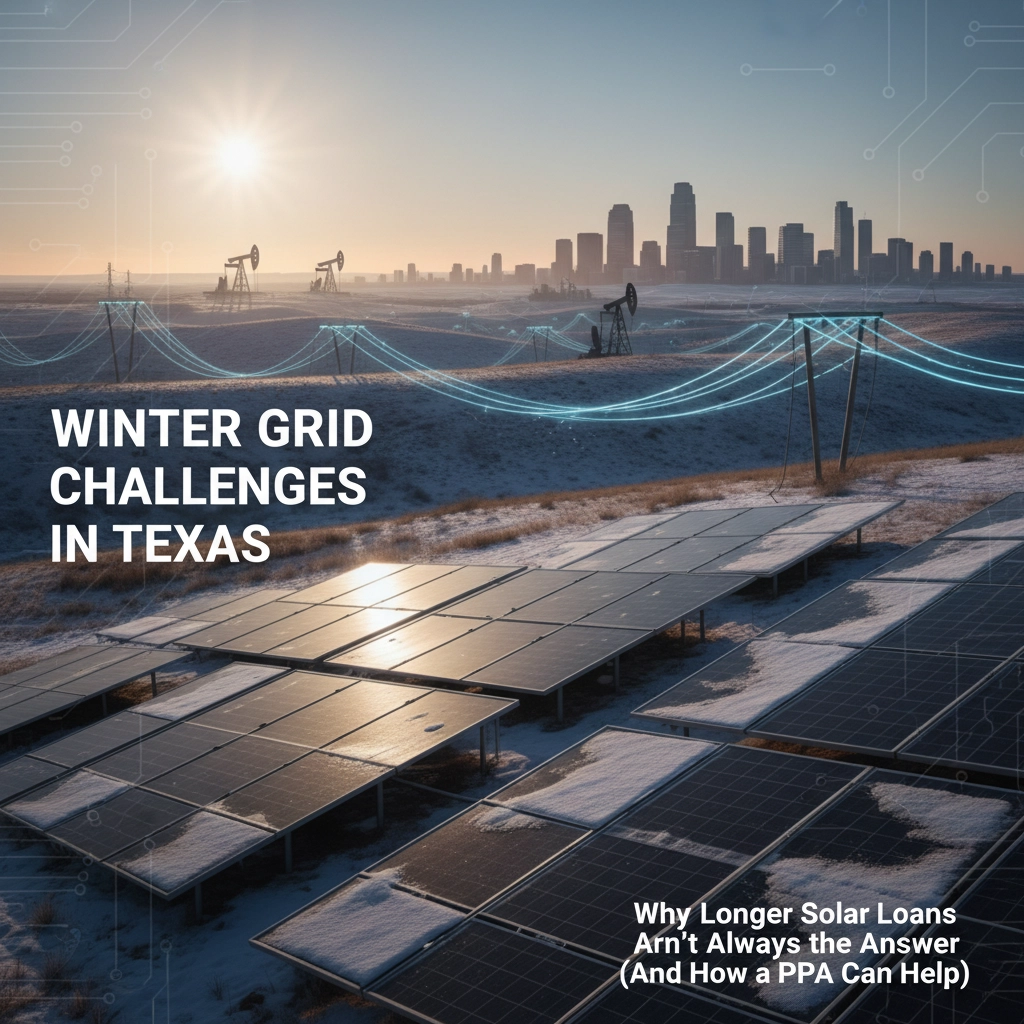
Texas homeowners face a double challenge this winter: an aging electrical grid struggling with reliability issues and rising energy costs that strain household budgets. While solar installation has become increasingly popular across the state, the financing options being marketed to homeowners aren't always in their best interest. Extended solar loans might seem attractive with lower monthly payments, but they often cost more in the long run. ION Solar's Power Purchase Agreement (PPA) program offers a different approach that addresses both grid reliability concerns and financial flexibility.
Texas Grid Reliability: A Winter Reality Check
The Texas electrical grid faces significant stress during winter months, particularly during extreme weather events. ERCOT (Electric Reliability Council of Texas) manages a system that serves over 26 million Texans, but winter conditions expose vulnerabilities in the infrastructure. Peak demand typically occurs during early morning hours when heating systems work hardest, solar generation remains minimal, and natural gas facilities can experience weather-related disruptions.
Recent winter weather events have demonstrated these challenges. Power outages during cold snaps affect thousands of households, with restoration times varying widely depending on location and grid conditions. For homeowners, these outages mean more than inconvenience: they represent potential safety risks and economic losses from spoiled food, temporary housing costs, and missed work.
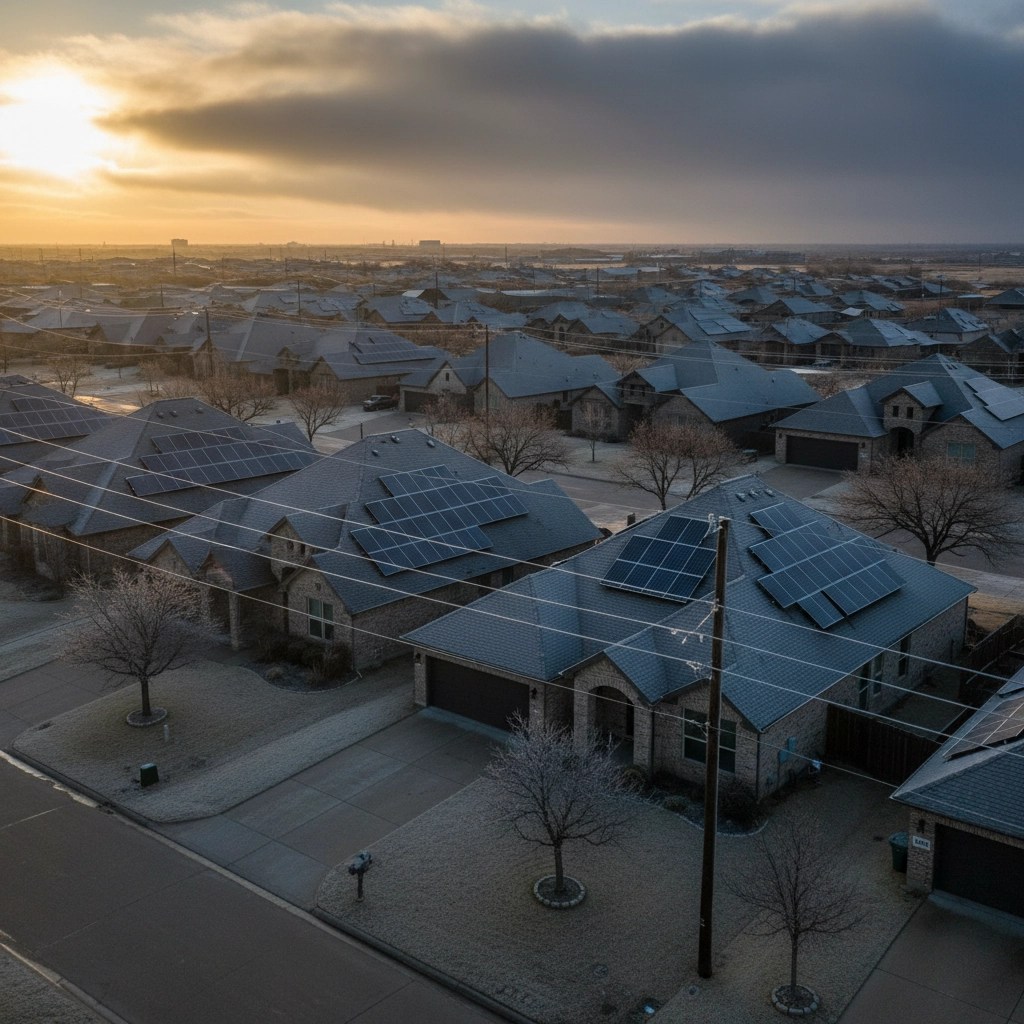
The state's approach to grid modernization includes infrastructure investments, but these improvements take years to implement across the vast Texas service area. Distributed solar generation with battery storage offers individual households a path toward energy independence that doesn't rely on utility-scale improvements.
The Solar Loan Extension Trend
Solar installation companies across Texas are increasingly promoting longer loan terms to make solar systems appear more affordable. Twenty-year and twenty-five-year solar loans have become common, with some extending even longer. The marketing appeal is obvious: monthly payments as low as $100-150 for systems that might otherwise require $300-400 monthly payments on shorter terms.
However, extended loan terms create several financial disadvantages. Interest costs accumulate significantly over time. A $25,000 solar system financed at 6% interest costs approximately $8,200 in interest over 12 years, but extends to over $19,000 in interest over 25 years. The additional $10,800 in interest payments effectively reduces the system's lifetime savings by the same amount.
Extended loans also create equity concerns. Solar systems typically lose value over time as technology improves and panels age. Homeowners with long-term loans may find themselves owing more than their system is worth, particularly in the later years of the loan term. This situation complicates home sales and refinancing decisions.
Understanding PPA Advantages
ION Solar's Power Purchase Agreement program addresses many concerns associated with traditional solar financing. Under a PPA arrangement, ION Solar installs and maintains the solar system at no upfront cost to the homeowner. Instead of loan payments, homeowners pay a predetermined rate for the electricity their system generates, typically lower than current utility rates.

The immediate benefits include predictable electricity costs and savings from day one. While utility rates increase annually, PPA rates remain fixed or increase at predetermined minimal amounts. This rate stability provides budget predictability that long-term loans cannot match, particularly when factoring in potential interest rate changes on variable-rate solar loans.
PPA arrangements also eliminate maintenance concerns. ION Solar handles all system monitoring, repairs, and performance optimization. If panels underperform or require service, homeowners aren't responsible for additional costs or complicated warranty claims. This comprehensive service approach contrasts sharply with loan-financed systems where homeowners bear responsibility for maintenance and repair costs after warranty periods expire.
Financial Flexibility Comparison
The financial structures of solar loans versus PPAs create different risk profiles for Texas homeowners. Solar loans represent debt obligations that continue regardless of system performance, job changes, or housing decisions. Monthly loan payments remain fixed even if panels generate less electricity than expected due to weather, shading, or equipment issues.
PPA payments, conversely, correlate directly with system production. If the system produces less electricity, PPA payments decrease proportionally. This performance-based payment structure provides natural protection against system underperformance while ensuring homeowners only pay for electricity actually generated.
Early termination scenarios also differ significantly. Solar loans typically require full balance payment if homeowners sell their homes or wish to terminate early. This requirement can complicate home sales, particularly if the loan balance exceeds the system's appraised value. PPA agreements can often transfer to qualified home buyers or terminate with reasonable buyout provisions after initial contract periods.
Grid Independence Benefits
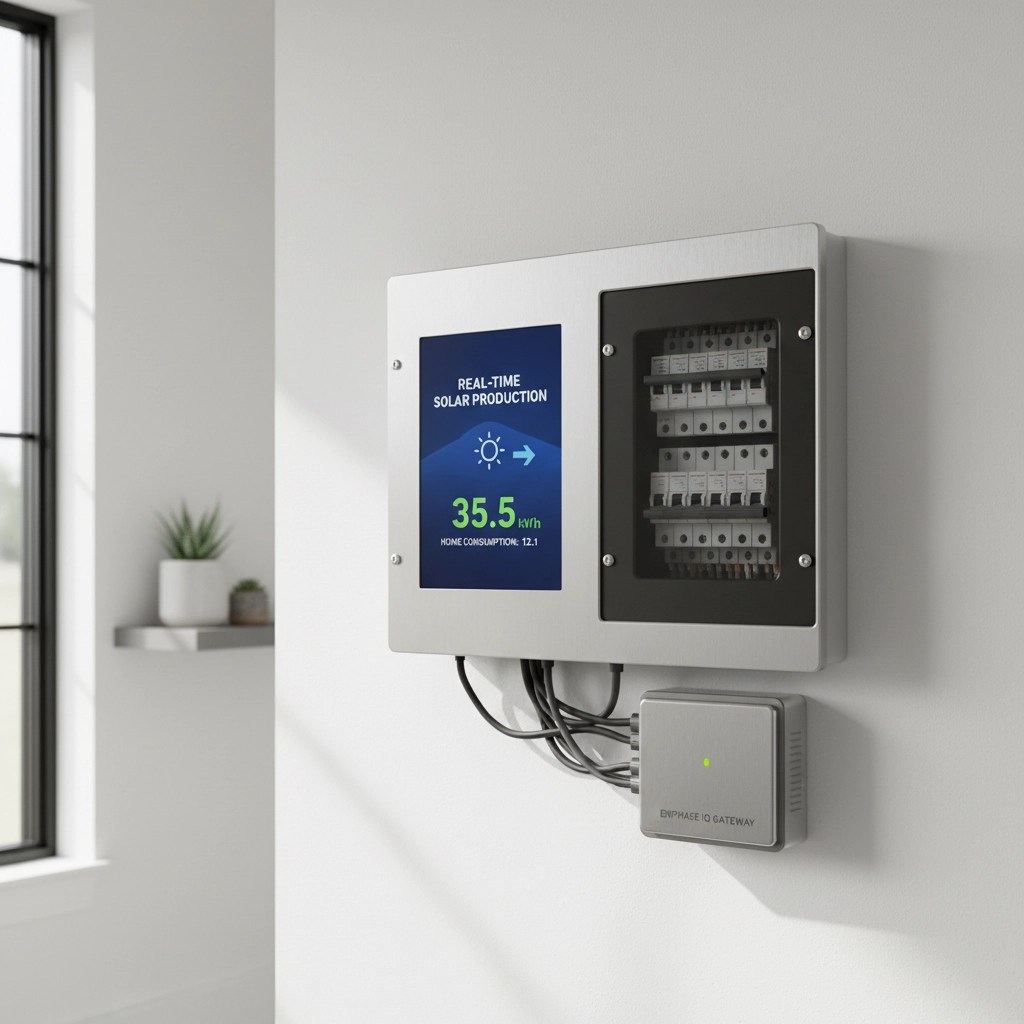
Both solar loans and PPAs provide the same grid independence benefits when paired with battery storage systems. During winter power outages, properly configured solar and battery systems can maintain power to essential household circuits including heating, refrigeration, and communications equipment.
The key difference lies in system optimization and maintenance. PPA providers like ION Solar have direct financial incentives to maximize system performance since their revenue depends on electricity generation. This alignment often results in better system monitoring, proactive maintenance, and faster issue resolution compared to loan-financed systems where ongoing performance primarily affects homeowners.
Long-term Savings Analysis
Total savings calculations require careful analysis of multiple factors including electricity rate escalation, system degradation, maintenance costs, and financing terms. While purchasing solar systems outright or through short-term loans typically provides maximum lifetime savings, PPA arrangements offer competitive savings with significantly reduced financial risk.
For Texas homeowners, utility rate increases average 2-3% annually. PPA rate escalations typically remain below utility increases, creating growing savings over time. Additionally, PPA arrangements eliminate uncertainty about maintenance costs, system warranties, and equipment replacement expenses that can affect loan-financed systems.

Making the Right Choice for Your Situation
The decision between solar loans and PPA agreements depends on individual financial situations and priorities. Homeowners with available capital, excellent credit, and long-term housing stability may benefit from solar ownership through shorter-term loans. However, many Texas homeowners find PPA arrangements better suited to their circumstances.
PPA programs work particularly well for homeowners who prioritize predictable monthly costs, minimal financial risk, and comprehensive service coverage. The program also suits households with limited available capital for down payments or those uncertain about long-term housing plans.
Credit requirements for PPA approval are typically less stringent than loan qualification, making solar accessible to more Texas homeowners. This accessibility is particularly important given rising housing costs and economic uncertainty affecting household budgets across the state.
Installation and Service Considerations
ION Solar's PPA program includes professional installation following all Texas building codes and utility interconnection requirements. The installation process typically takes 1-3 days for residential systems, with minimal disruption to household routines. Post-installation monitoring ensures optimal system performance and identifies any issues requiring attention.
System maintenance under PPA agreements includes regular cleaning, component inspection, and prompt repair service. This comprehensive approach contrasts with loan-financed systems where homeowners must arrange and pay for ongoing maintenance after initial warranty periods.
Conclusion
Texas grid challenges during winter months make household energy independence increasingly valuable. While longer solar loans might appear attractive due to lower monthly payments, they often result in higher total costs and increased financial risk. ION Solar's PPA program provides immediate savings, predictable costs, and comprehensive service coverage without the debt obligations associated with traditional financing.
The choice between solar financing options should align with individual financial situations and priorities. For many Texas homeowners, PPA arrangements offer the optimal combination of savings, service, and flexibility needed to navigate both grid reliability challenges and household budget requirements.
Rob Gonzalez – Manager DFW | 9566482089 | robert.gonzalez@ionsolar.com
Leave a Reply