
The Texas solar market has experienced unprecedented growth, with solar installation texas projects increasing dramatically over the past five years. However, this expansion has attracted fraudulent operators seeking to exploit homeowners interested in solar energy texas solutions. According to state agency data, solar-related complaints have increased by over 500 percent from 2018 to 2023, highlighting the critical need for consumer awareness regarding deceptive practices in the solar industry.
Texas homeowners considering solar panels for home texas installations must recognize warning signs that distinguish legitimate companies from fraudulent operators. The following red flags represent the most common tactics employed by scam companies operating throughout the state.
Red Flag #1: Claims of "Free Solar Panels"
Advertisements promoting completely free solar installations constitute one of the most prevalent deceptive practices in the solar industry. Companies making these claims typically refer to third-party ownership arrangements such as power purchase agreements or solar leases, which involve significant long-term financial obligations rather than free installations.
Under these arrangements, homeowners make monthly lease payments or purchase energy produced by the panels for periods extending 20 years or longer. Contracts frequently include escalator clauses that increase payment amounts annually. The solar company retains ownership of the panels and collects government incentives, generating substantial profits while homeowners remain bound to long-term financial commitments.

Legitimate solar power for homeowners involves transparent cost structures and clear ownership arrangements. Companies promoting genuine solar energy solutions provide detailed financial analysis including actual solar panel cost texas information and realistic projections for solar savings texas.
Red Flag #2: High-Pressure Sales Tactics and Artificial Urgency
Fraudulent companies frequently employ aggressive door-to-door sales representatives who create false urgency to compel immediate decision-making. Common pressure tactics include claims that incentives are "ending soon" or quotes are "available today only." Sales representatives may assert that homeowners will have "no electric bill" or that installation involves "no cost."
Legitimate home solar installation companies provide comprehensive information and allow adequate time for decision-making without applying undue pressure. Reputable installers understand that solar energy represents a significant investment requiring careful consideration of multiple factors including system sizing, financing options, and long-term performance expectations.
Red Flag #3: Forged Documents and Misleading Contract Practices
Fraudulent operators often engage in document manipulation, including forging signatures or misrepresenting the nature of documents requiring homeowner signatures. Contract-related red flags include vague or incomplete details regarding system specifications, costs, timeline, or performance guarantees.
Legitimate contracts for renewable energy for homes include comprehensive documentation specifying equipment specifications, installation timeline, warranty terms, and detailed cost breakdowns. Homeowners should never sign contracts without receiving complete documentation and adequate time for review.
Companies requesting signatures without proper explanation of terms or refusing to provide hard copies of contracts exhibit clear warning signs of fraudulent practices. All legitimate solar installation agreements must include adequate disclosure statements before transaction completion.
Red Flag #4: Requests for Large Upfront Payments
Reputable solar installers typically do not require substantial upfront payments before beginning installation work. Companies demanding large sums of money prior to installation or promoting high-cost, long-duration loans with hidden fees represent significant red flags.

Legitimate financing for solar panels for home texas installations involves transparent payment structures with clearly defined terms. Established companies offer various financing options including solar loans, leases, and purchase agreements with reasonable payment schedules aligned with installation milestones.
Texas homeowners should be particularly wary of companies requiring full payment before installation completion or those unable to provide clear explanations of financing terms and conditions.
Red Flag #5: Impersonation of Utility Companies or Government Agencies
Some fraudulent operators pose as representatives from local utility companies or claim government endorsement to appear legitimate. These impersonation tactics exploit homeowner trust and may involve false claims regarding utility company programs or government initiatives.
Homeowners should verify the identity of any individual claiming to represent utility providers by contacting the company directly through official channels. Government agencies do not typically send door-to-door representatives to promote solar installations or renewable energy for homes programs.
Legitimate solar companies clearly identify themselves and their business affiliations without misrepresenting relationships with utility companies or government entities. Solar incentives texas programs are administered through official channels with transparent application processes rather than door-to-door solicitation.
Red Flag #6: Poor Installation Quality and System Failures
Installation quality represents a critical concern in the Texas solar market, with data indicating that 18% to 24% of solar installations in Austin and San Antonio fail initial inspections. Poor installation practices result in systems that fail to meet performance expectations and may create safety hazards.
Warning signs of poor installation quality include companies that skip proper site surveys and power consumption analysis before providing quotes. Inadequate site assessment leads to improperly sized systems that fail to meet homeowner energy needs or generate projected savings.
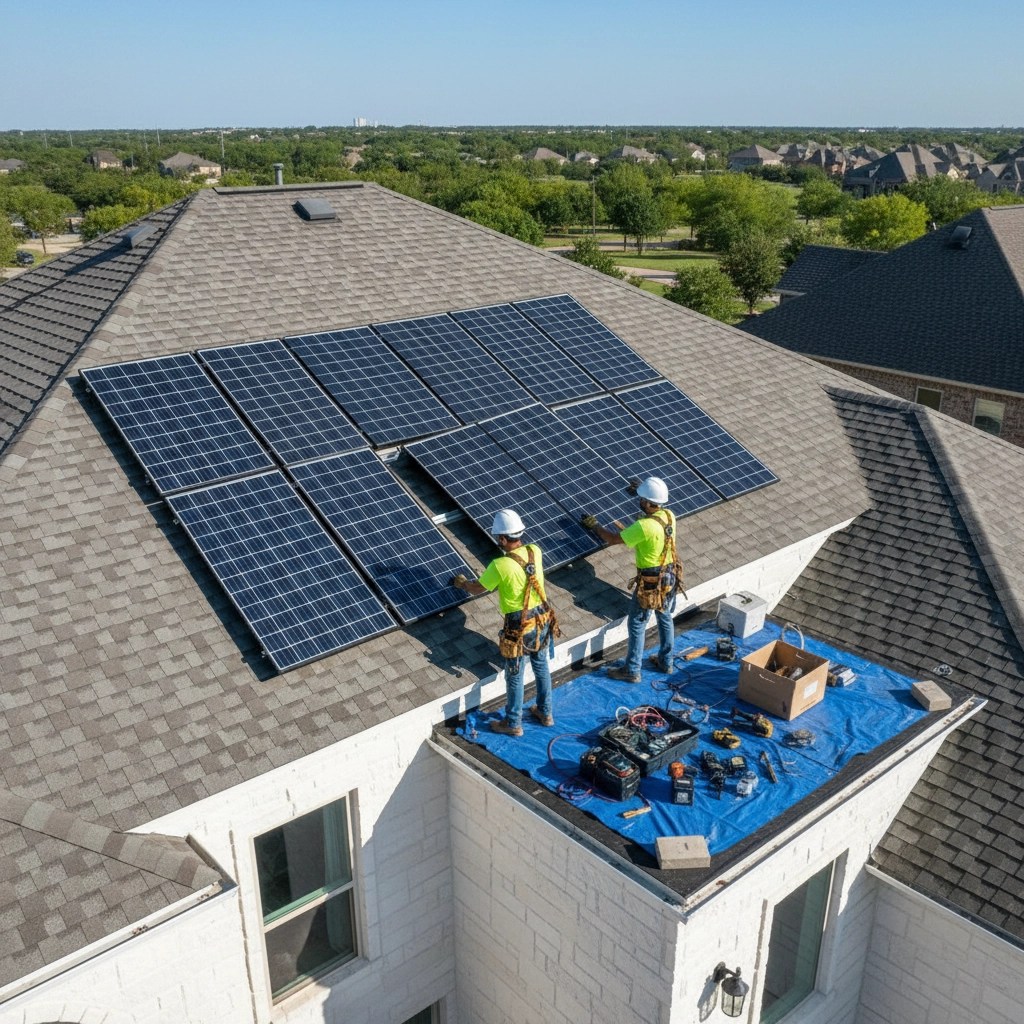
Additional quality concerns include systems that are not properly connected to the electrical grid, equipment that fails inspections repeatedly, and installations that produce significantly less energy than promised. These issues leave homeowners with non-functional systems while remaining obligated for loan payments.
Verification of installer licensing and insurance represents essential due diligence for homeowners considering solar energy texas installations. All work must comply with local building codes and electrical standards to ensure system safety and performance.
Red Flag #7: The Disappearing Company Problem
The most devastating scam scenario involves companies that become unresponsive or cease operations after installation, leaving homeowners with non-functional systems and ongoing financial obligations. These "disappearing companies" provide minimal customer service after installation and become unresponsive when system problems arise.
This situation creates circumstances where homeowners cannot access warranty services or system maintenance while loan obligations continue despite system failures. The disappearing company problem has affected numerous Texas homeowners, resulting in expensive non-functional installations and ongoing financial liability.
Companies exhibiting limited customer service capabilities, poor communication practices, or reluctance to provide comprehensive warranty documentation may indicate increased risk of future unavailability for service needs.
Protection Measures and Legal Recourse
Texas homeowners have legal protections under the Texas Deceptive Trade Practices Act, which provides recourse against fraud, misrepresentation, and breach of contract in solar transactions. Before signing any solar agreement, homeowners should obtain multiple quotes from licensed, established companies and research company reviews and Better Business Bureau ratings.

All claims regarding savings, incentives, and system performance require verification through independent sources. Contracts should include clear cancellation clauses that void associated loan obligations in cases of system failure or company non-performance.
Confirmation of proper installer licensing and bonding represents essential protection against installation quality issues and company reliability concerns. Homeowners should verify all licensing through official state channels rather than relying on company-provided documentation.
Due Diligence Requirements
Effective protection against solar scams requires comprehensive due diligence including verification of company licensing, insurance coverage, and business registration. Homeowners should request references from recent installations and contact previous customers regarding their experience with system performance and customer service.
Financial analysis should include independent verification of projected savings calculations and comparison with utility bill history to ensure realistic expectations. All equipment specifications, warranty terms, and maintenance requirements must be clearly documented before contract execution.
The solar industry provides legitimate benefits for Texas homeowners when installations are performed by reputable companies using quality equipment and professional installation practices. However, the growing number of fraudulent operators requires heightened consumer awareness and careful evaluation of all solar energy proposals.
Homeowners considering solar installations should prioritize working with established companies that demonstrate transparent business practices, provide comprehensive documentation, and maintain proper licensing and insurance coverage for long-term system support and warranty service.
Rob Gonzalez – Manager DFW | 9566482089 | robert.gonzalez@ionsolar.com
Leave a Reply