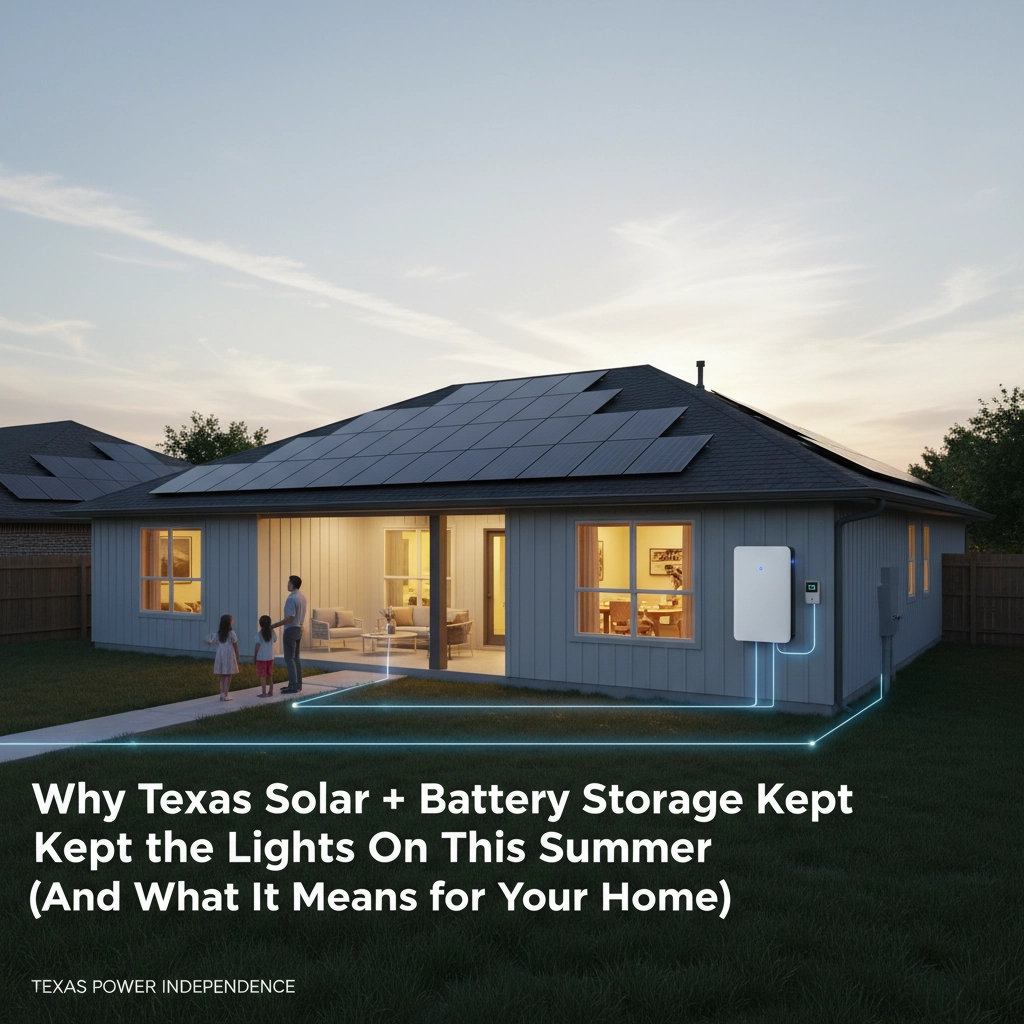
Remember those sweltering summer days when you'd hold your breath every time you got your electricity bill? Or when the grid seemed one heat wave away from another Winter Storm Uri situation? Well, this past summer told a completely different story for Texas. Solar panels paired with battery storage didn't just perform well, they absolutely crushed it, keeping the lights on when we needed them most.
If you're a Texas homeowner who's been on the fence about solar installation Texas, this summer's success story might just change your mind. Let's break down what happened and what it means for your home.
The Summer That Changed Everything
Summer 2024 will go down in Texas energy history as the season that proved renewable energy isn't just nice to have, it's essential infrastructure. For the first time in years, ERCOT (that's our grid operator) didn't issue a single conservation appeal asking folks to turn up their thermostats or avoid using major appliances.
Compare that to 2023, when we got hit with 11 different conservation appeals throughout the summer. The difference? Solar energy Texas generation hit record levels, contributing nearly 25% of our power during those crucial midday hours when everyone's cranking their AC.
But here's where it gets really interesting: solar output averaged nearly 17,000 megawatts between 11 a.m. and 2 p.m., compared to just 12,000 MW during those same hours in 2023. That's massive growth in just one year.

The Battery Storage Game-Changer
Now, solar panels are great during the day, but what happens when the sun goes down and everyone's still running their air conditioners? That's where battery storage became the real hero of summer 2024.
Battery discharge from storage facilities averaged 714 MW between 6 p.m. and 9 p.m., those peak evening hours when demand stays high but solar starts dropping off. That's up from just 238 MW in 2023. On August 20, when Texas set a new electricity demand record, battery discharge itself hit a record 3,927 MW at 7:35 p.m.
Think of it this way: solar panels for home Texas installations work similarly to the grid-scale systems. Your panels generate power during the day, store excess energy in your battery, then release that stored power when you need it most, like those expensive evening hours when grid electricity costs can skyrocket.
What This Means for Your Home Solar Installation
The grid-level success we saw this summer translates directly to benefits for homeowners considering home solar installation. Here's how this technology can work for your specific situation:
Energy Independence When You Need It Most
A solar power for homeowners system paired with battery storage means you're not completely dependent on the grid. When everyone else is sweating through rolling blackouts or paying premium prices during peak demand, you're running off your own stored sunshine.
During outages, your battery kicks in automatically. Your refrigerator keeps running, your AC stays on, and your kids can still charge their devices. It's like having your own personal power plant.
Smart Timing for Maximum Savings
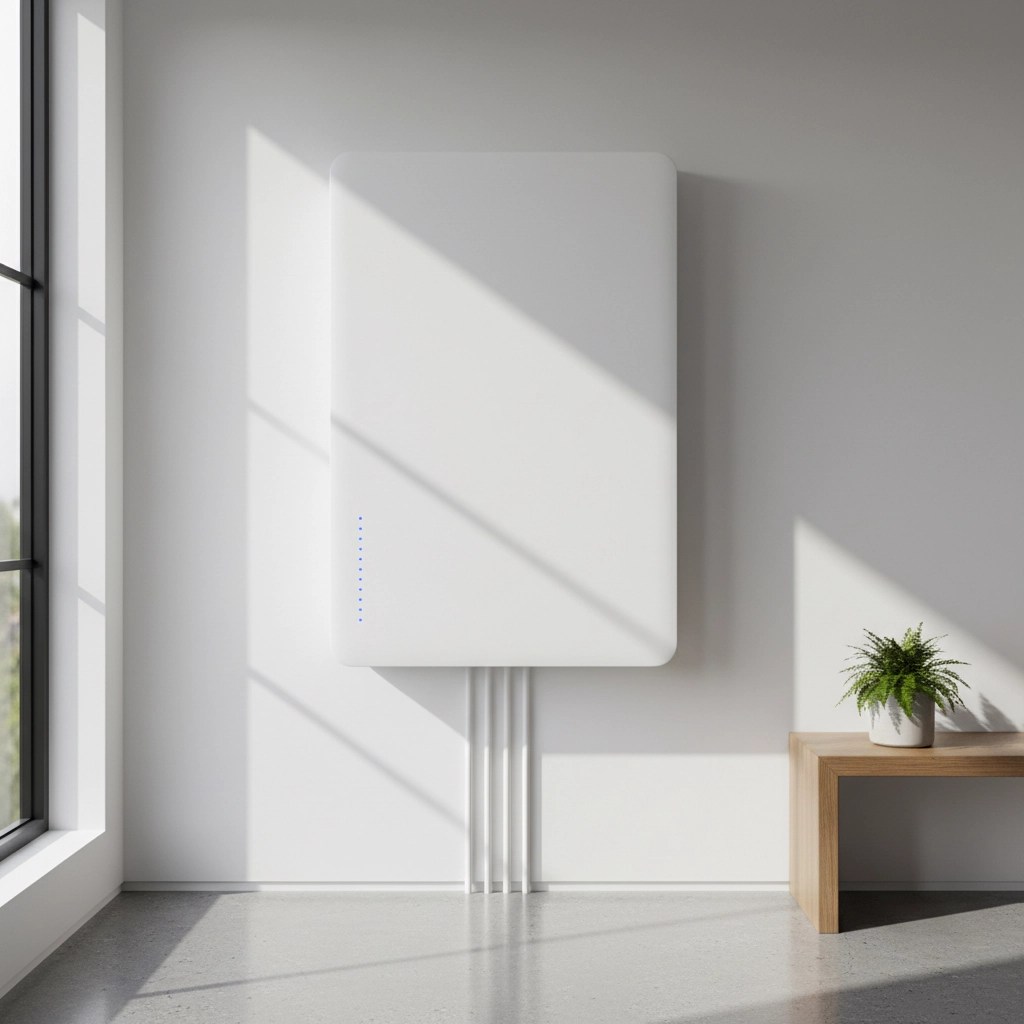
Battery storage systems are smart about when to charge and discharge. They'll store up power during the day when solar production is high and electricity rates are typically lower, then release that power during expensive peak hours. The solar savings Texas homeowners are seeing from this strategy can be substantial over time.
Avoiding Peak-Hour Price Spikes
While not all Texas areas have time-of-use pricing yet, it's coming. When it does arrive in your area, having battery storage means you can avoid those expensive peak-hour rates by using your stored solar power instead of buying from the grid when prices spike.
The Real-World Benefits for Texas Homeowners
Let's get specific about what solar and battery storage can do for your home:
Blackout Protection: Texas weather can be unpredictable. Hurricane season, ice storms, equipment failures, when the grid goes down, your battery-backed solar system keeps essential systems running. No more throwing out groceries because the power was out for days.
Bill Reduction: Solar panel cost Texas has dropped significantly over the years, and when you factor in federal tax credits and local incentives, the math works out well for most homeowners. Add battery storage, and you're maximizing the value of every ray of sunshine your panels capture.
Grid Independence: You're not just saving money, you're reducing strain on the grid during peak times. That helps everyone, and it means you're less affected when grid demand spikes cause problems for other folks.
The Technology That Made It Possible
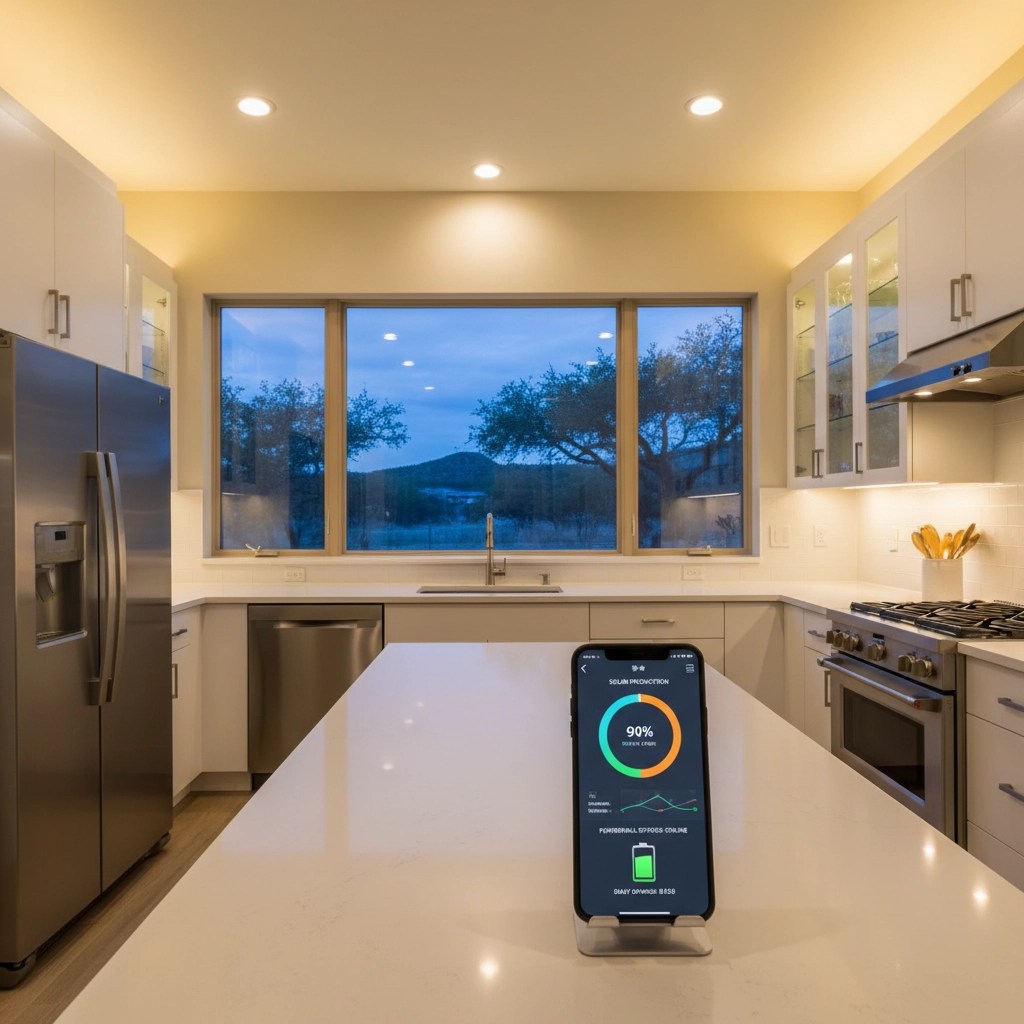
Modern renewable energy for homes systems are way smarter than the solar installations from even five years ago. Today's battery systems come with apps that let you monitor your energy production, storage levels, and usage patterns right from your phone.
You can see exactly how much power your panels generated today, how much energy you're storing, and when your system switched from solar to battery power. Some systems even let you set preferences for how aggressively you want to use stored power versus buying from the grid.
Cost Considerations and Incentives
One of the biggest questions homeowners ask is about cost. Yes, adding battery storage increases your upfront investment compared to solar panels alone. But solar incentives Texas homeowners can access help offset these costs significantly.
The federal solar tax credit applies to both solar panels and battery storage when they're installed together. Many utility companies also offer rebates for battery installations, recognizing their value for grid stability.
When you factor in the potential savings from avoiding peak electricity rates, backup power value during outages, and the long-term protection against rising energy costs, the numbers often work in your favor.
Looking Ahead: The Future of Texas Energy
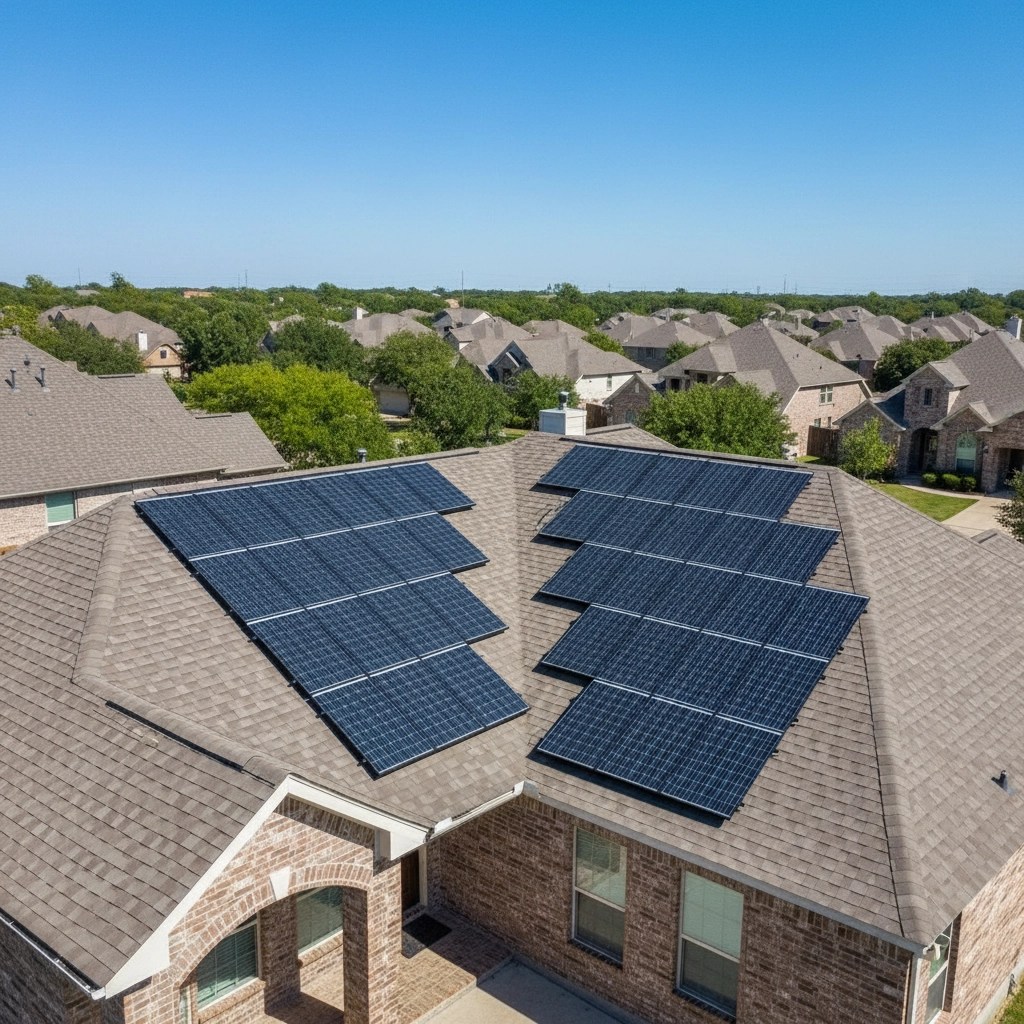
Summer 2024 proved that solar and battery storage aren't just environmental feel-good technologies: they're practical solutions for Texas's energy challenges. ERCOT is forecasting continued growth in electricity demand as more data centers come online and more people switch to electric vehicles.
The state is planning to add several more gigawatts of battery storage in the coming years, potentially reaching 20 GW or more. For homeowners, this means the technology will continue improving while costs continue dropping.
Is Solar + Battery Storage Right for Your Home?
Every home is different, but if you're in Texas and you've been considering solar, the events of summer 2024 show just how valuable this technology can be. The combination of energy independence, cost savings, and peace of mind during outages makes a compelling case.
The best part? You don't need to wait for perfect conditions. Modern solar systems work efficiently even during Texas's cloudy days, and battery storage means you can use solar power even when the sun isn't shining.

Making the Decision
If you're ready to explore solar installation Texas options for your home, the key is working with experienced installers who understand both the technology and local conditions. They can assess your specific situation, energy usage patterns, and help you size a system that meets your needs and budget.
The grid-level success we witnessed this summer shows that solar and battery storage aren't experimental anymore: they're proven, reliable technology that's keeping Texas powered up when it matters most. For homeowners, that same reliability, independence, and savings potential is now available at the residential level.
Your home could be generating its own clean power, storing it for when you need it most, and keeping your family comfortable and connected even when the broader grid faces challenges. That's not just good for your wallet; it's good for Texas.
Rob Gonzalez – Manager DFW | 9566482089 | robert.gonzalez@ionsolar.com
Leave a Reply