
The federal solar tax credit expires on December 31, 2025, marking the end of the most significant financial incentive for residential solar installations in United States history. Texas homeowners face a hard deadline with no extensions or phase-down periods, creating an urgent timeline for those considering solar energy systems.
Federal Solar Tax Credit Termination
The Residential Clean Energy Credit provides a 30% tax credit for qualified solar installations completed before January 1, 2026. This credit was eliminated through the "One Big Beautiful Bill" legislation signed into law on July 4, 2025. Unlike previous solar incentive programs that gradually reduced credit percentages over multiple years, this termination is immediate and complete.
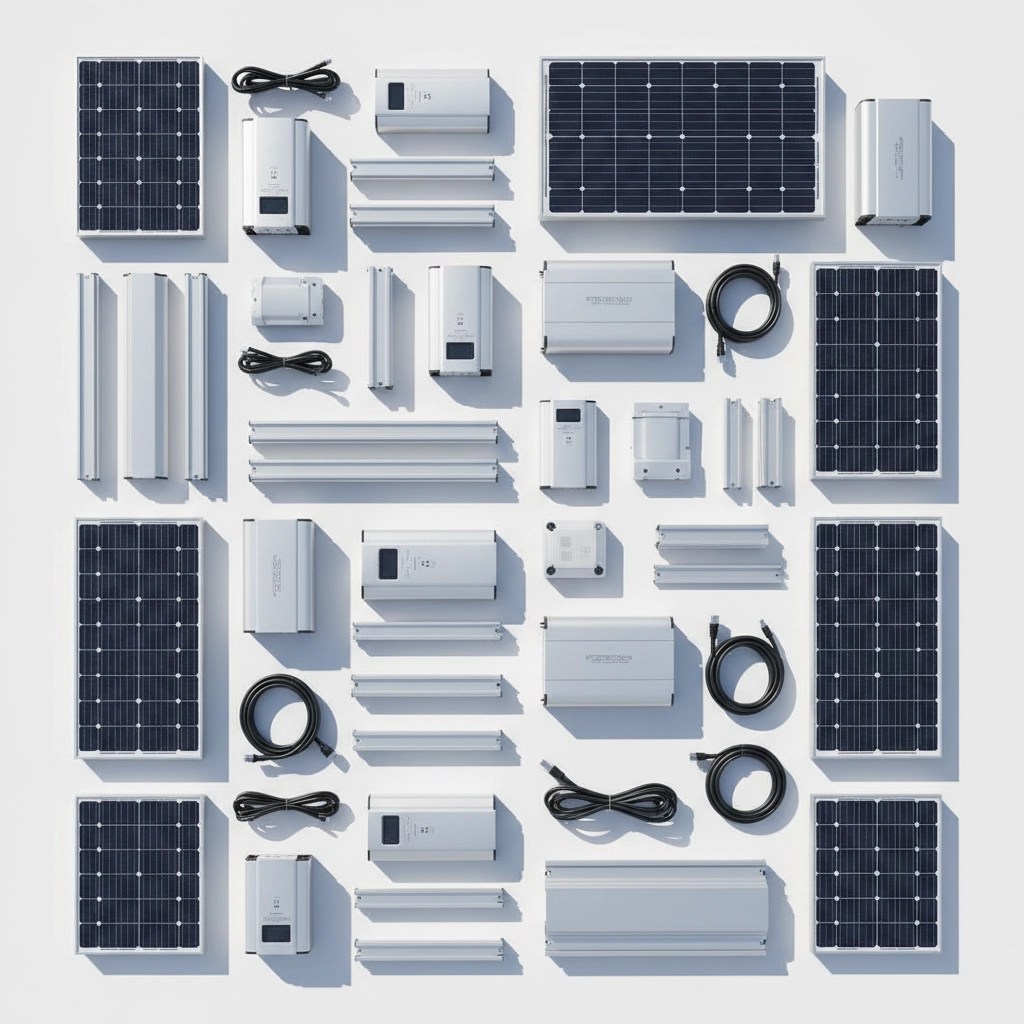
The tax credit applies to the total cost of solar panel systems, including equipment, installation labor, permitting fees, inspection costs, and energy storage systems. For residential installations, the credit covers solar photovoltaic panels, inverters, mounting hardware, electrical components, and battery storage systems when installed simultaneously with solar panels.
Internal Revenue Service requirements specify that solar systems must be "placed in service" by December 31, 2025. This designation requires complete installation, system commissioning, utility interconnection approval, and operational capability for electricity generation.

Texas Market Conditions
Texas residential electricity rates have increased consistently over the past 24 months, with average rates reaching levels that make solar installations increasingly cost-effective. The state's deregulated electricity market creates pricing volatility that solar systems can mitigate through fixed energy production costs.
Supply chain constraints are affecting solar equipment availability throughout Texas. Manufacturing delays, shipping bottlenecks, and increased demand have extended equipment delivery timelines. Battery storage systems face particular constraints due to limited domestic manufacturing capacity and international trade restrictions.
Permitting authorities across Texas municipalities report increased application volumes as December 31, 2025 approaches. Processing times for residential solar permits have extended beyond normal timelines in major metropolitan areas including Houston, Dallas, Austin, and San Antonio.
Installation Timeline Requirements
Solar installations require multiple sequential steps that consume significant time periods:
Permitting Phase: Municipal building departments require detailed engineering plans, structural calculations, and electrical diagrams. Permit approval timelines range from 2-8 weeks depending on jurisdiction workload and application completeness.
Utility Interconnection: Electric utility companies require interconnection applications before solar systems can connect to the electrical grid. Application review and approval processes typically require 4-6 weeks after permit approval.
Equipment Procurement: Solar panels, inverters, mounting systems, and electrical components require ordering lead times of 6-12 weeks for standard residential installations. Battery storage systems may require longer procurement periods.
Installation Scheduling: Solar contractors maintain installation schedules that extend multiple weeks into the future. Weather conditions, crew availability, and inspection requirements can extend actual installation timeframes.
System Commissioning: Completed installations require final inspections, utility meter upgrades, and Permission to Operate authorization before systems can legally generate electricity.
Critical Deadline Factors
The December 31, 2025 deadline requires that solar systems achieve operational status, not merely contract signing or equipment ordering. Systems that remain under construction, pending permits, or awaiting utility approval on January 1, 2026 do not qualify for tax credit benefits.
Current project timelines indicate that contracts signed after October 15, 2025 face significant risk of missing the federal deadline. This assessment accounts for standard permitting timelines, equipment procurement schedules, and installation capacity constraints.
Weather conditions during November and December 2025 could impact installation schedules. Texas winter weather patterns, while generally mild, can create delays for rooftop installations and electrical connections.
Equipment Cost Considerations
Trade policies implemented in 2025 have increased costs for solar equipment manufactured outside the United States. Tariffs on solar panels and battery storage systems range from 15-30% depending on country of origin and manufacturing processes.
Domestic solar equipment manufacturing has expanded but cannot meet current demand levels. American-manufactured solar panels command premium pricing compared to international alternatives, even after tariff adjustments.
Battery storage system costs have increased significantly due to raw material price escalation and trade restrictions. Lithium-ion battery systems essential for grid independence face supply constraints that may persist through 2026.

State-Specific Considerations
Texas does not offer state-level solar tax credits or rebates that would offset the loss of federal incentives. Some utility companies provide net metering programs that credit excess solar production, but these programs face potential regulatory changes in 2026.
Property tax exemptions for solar installations remain in effect under Texas Tax Code provisions. Solar energy systems do not increase property tax assessments, providing ongoing financial benefits beyond installation incentives.
Local utility rebate programs vary by service territory and may have limited funding availability. These programs typically provide modest incentives compared to federal tax credit amounts.
Professional Installation Requirements
The federal tax credit requires professional installation by qualified solar contractors. Do-it-yourself installations do not qualify for tax credit benefits under Internal Revenue Service regulations.
Solar contractors must maintain appropriate licensing for electrical work and construction activities. Texas requires electrical work to be performed by licensed electricians or electrical contractors registered with the Texas Department of Licensing and Regulation.
Installation warranties typically require professional installation to maintain coverage. Equipment manufacturers may void product warranties for non-professional installations, creating additional financial risk.

Documentation Requirements
Tax credit claims require comprehensive documentation including:
- Contractor invoices showing equipment costs and installation labor
- Manufacturer specifications for all solar equipment
- Permit documentation and inspection certificates
- Utility interconnection agreements and Permission to Operate authorization
- Equipment warranty documentation and system performance specifications
Internal Revenue Service Form 5695 must be completed for tax credit claims. This form requires detailed cost breakdowns and system specifications that must correspond to installation documentation.
Financial Impact Analysis
The 30% federal tax credit represents the largest solar incentive available to Texas homeowners. For typical residential installations ranging from $15,000 to $35,000, tax credit values range from $4,500 to $10,500.
Solar installations completed after December 31, 2025 will rely solely on long-term electricity savings and property value increases for financial returns. Economic analyses indicate that payback periods will extend by 3-5 years without federal tax credit benefits.
Financing options for solar installations may become more restrictive after federal incentives expire. Solar loan programs often incorporate tax credit benefits into payment calculations and qualification criteria.
The combination of expiring federal incentives, increasing equipment costs, and supply chain constraints creates a narrow window for optimal solar installation economics. Texas homeowners considering solar energy systems face immediate decision requirements to capture maximum financial benefits before permanent policy changes take effect on January 1, 2026.

For detailed information regarding solar installation timelines and tax credit qualification requirements, contact ION Solar to receive current project scheduling availability and comprehensive cost analysis specific to individual property requirements.
Illustration: minimal line art depicting a sun above a residence.
Rob Gonzalez – Manager DFW | 9566482089 | robert.gonzalez@ionsolar.com