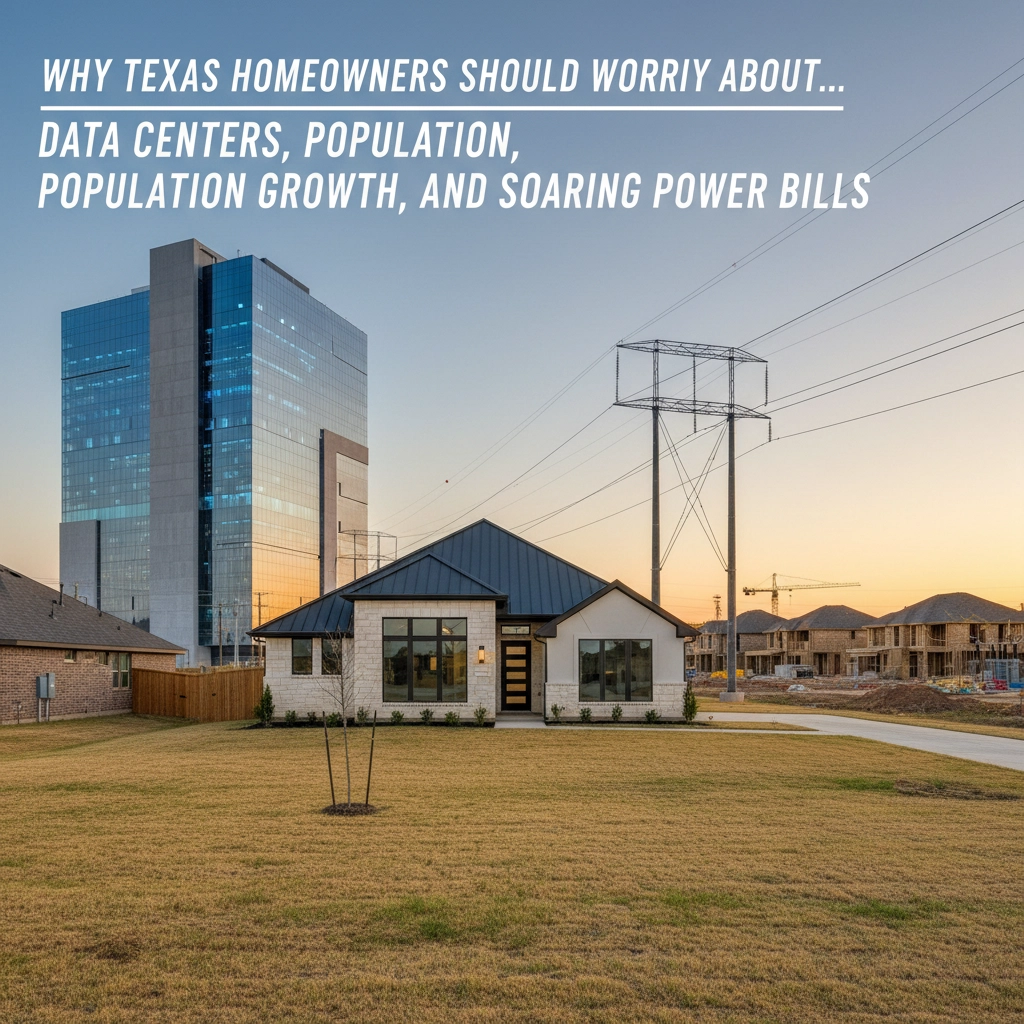
Texas faces an unprecedented perfect storm that threatens to dramatically increase electricity costs for homeowners. The explosive growth of data centers, rapid population expansion, and mounting strain on the state's independent power grid are converging to create what energy experts predict could be electricity rate increases exceeding 50% over the next 24 months.
The Data Center Invasion
Texas has become the epicenter of America's data center boom, with over 300 facilities currently operating across the state. These massive computing complexes consume extraordinary amounts of electricity: the current Texas data center market requires 10,234 megawatts of electricity annually, equivalent to powering more than 8 million homes.
The situation accelerates rapidly. ERCOT forecasts that data centers will consume over 12,700 megawatts in 2026, with that figure more than doubling in 2027. Major projects exemplify this expansion, including OpenAI's Stargate facility in Abilene, which expects to deliver over 5 gigawatts of data center capacity once completed.

Artificial intelligence and cryptocurrency mining operations drive much of this energy demand. AI applications can account for 10% to 20% of a data center's total energy consumption, while cryptocurrency mining facilities are attracted to Texas by low electricity prices and the deregulated energy market. These mining operations use high-powered computers requiring extreme computing power and electricity to solve complex mathematical problems for blockchain verification.
Data centers operate continuously, generating tremendous heat that requires constant cooling. Air cooling systems alone account for up to 40% of an average data center's total energy demand, creating a compounding effect on electricity consumption.
Population Surge Intensifies Demand
Texas experienced unprecedented population growth in 2024, adding 562,941 new residents and maintaining its position as the fastest-growing U.S. state. With a total population exceeding 31 million, second only to California, this growth translates directly into increased electricity demand from new residential developments, commercial buildings, and industrial facilities.
The Department of Energy's Berkeley Lab predicts that data center energy demand will double or triple from 2023 levels by 2028, while residential and commercial demand continues climbing alongside population growth.
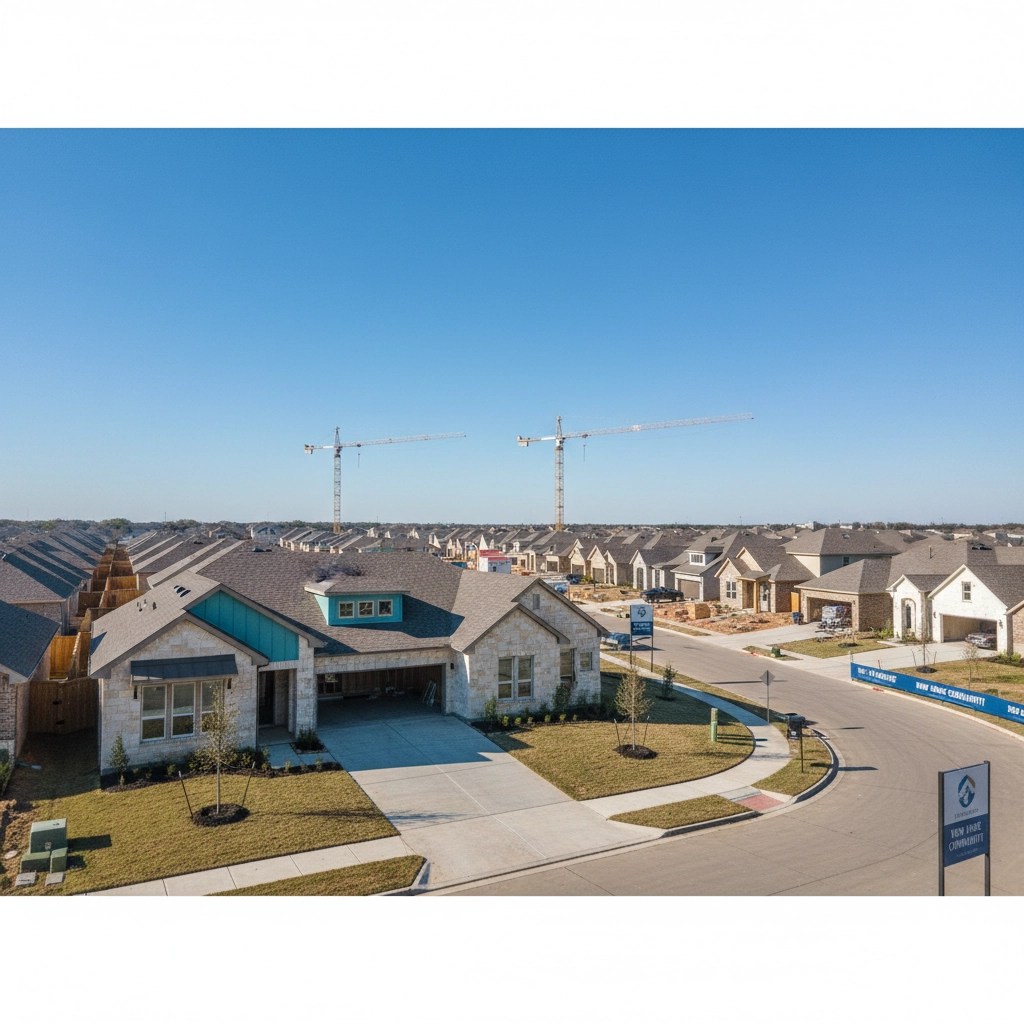
Independent Grid Creates Vulnerability
The combination of data center expansion and population growth creates severe strain on Texas's power infrastructure. Grid planners forecast a 37% jump in electricity demand to more than 150 gigawatts by 2030, with data centers expected to help drive Texas's power demand to nearly double by that time.
This challenge proves particularly acute because the Texas ERCOT grid operates independently and must generate all power internally, unlike other U.S. grids that can import electricity from neighboring regions. The independent grid structure that once provided competitive advantages now creates vulnerability when demand surges beyond generation capacity.
Supply concerns emerge as early as 2027, when grid planners project potential shortfalls during peak demand periods. The state faces frequent hurricane-related damage requiring expensive grid repairs and maintenance, adding further pressure to infrastructure costs.
Direct Impact on Homeowner Electricity Bills
Industry experts predict that artificial intelligence, cryptocurrency, and data centers could result in electricity bills rising by over 50% for Texas homeowners. Current projections indicate potential rate increases of 14% in 2026 alone, with additional increases likely through 2027 as grid supply concerns intensify.
These facilities could out-consume residential homes by approximately 2 to 1 in terms of electricity usage, fundamentally altering the demand profile across the Texas grid. Power utilities respond to increased demand by building and expanding grid infrastructure, but these investments come with significant costs passed through to consumers via rate hikes.
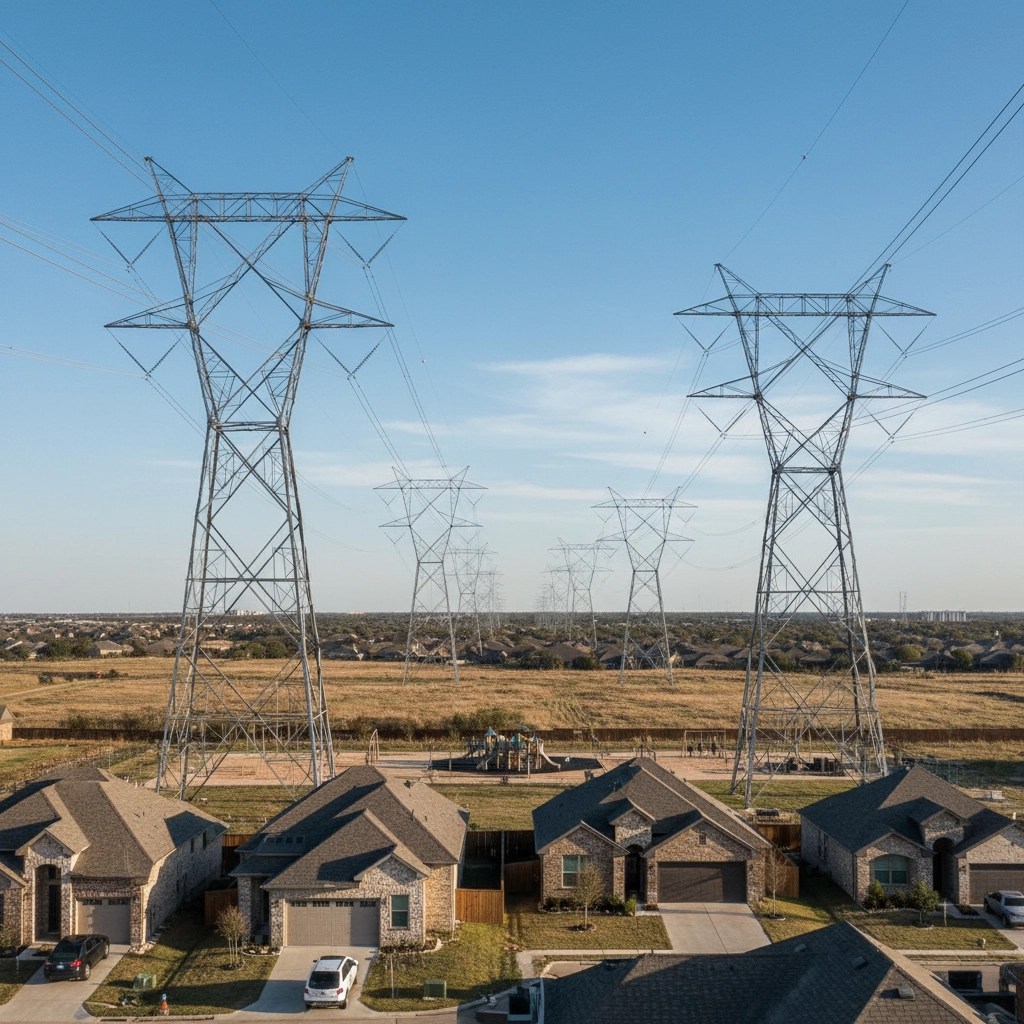
The financial impact extends beyond simple rate increases. Peak demand periods, historically driven by summer cooling loads, now face year-round pressure from continuously operating data centers. This consistent baseline demand reduces utilities' ability to balance costs across peak and off-peak periods, potentially leading to more uniform but higher rates throughout the year.
Water Resources Add Complexity
Data centers create additional strain beyond electricity consumption. For every megawatt-hour of electricity consumed, data centers use an average of 793 gallons of water, with larger facilities requiring over 45,000 gallons in extreme cases. Current Texas data centers could consume up to 5 million gallons of water daily, roughly equivalent to towns with populations between 10,000 and 50,000 people.
The Texas Water Development Board projects that total water usage by 2030 will approach three-fifths of current statewide aquifer capacity. This dual pressure on electricity and water resources creates compounding effects that threaten to increase utility costs across multiple fronts.
Solar Energy as Strategic Response
The convergence of these factors makes solar energy adoption increasingly strategic for Texas homeowners. As grid-supplied electricity costs rise and supply reliability faces challenges, residential solar systems provide rate stability and energy independence.
Solar installations allow homeowners to generate electricity during peak production hours, typically coinciding with highest grid demand periods when rates reach premium levels. Battery storage systems extend this advantage, enabling homeowners to use stored solar energy during evening hours when grid demand remains elevated due to continuous data center operations.
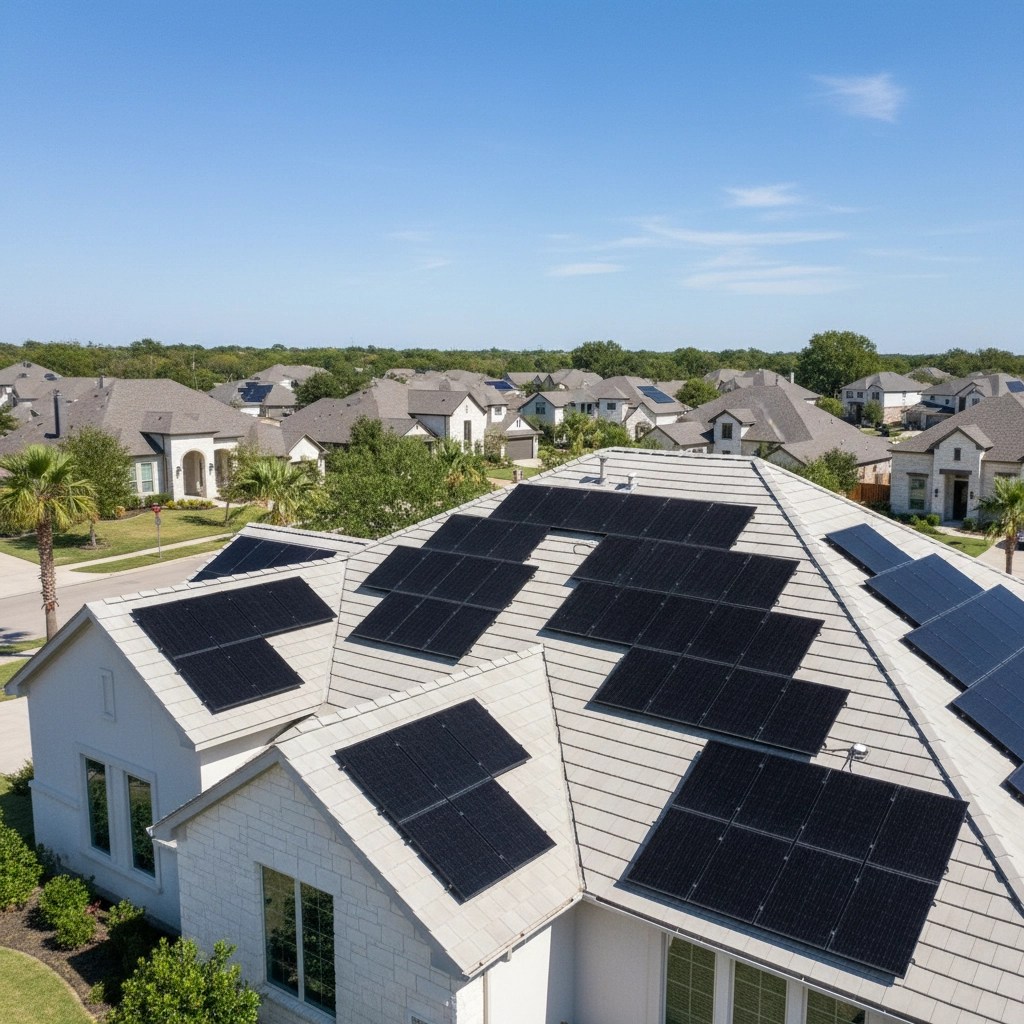
Net metering policies in many Texas markets allow solar system owners to sell excess generation back to the grid during peak production periods, potentially offsetting rising electricity costs. As data centers drive consistent demand, these net metering opportunities may become more valuable over time.
The economic case for residential solar strengthens as grid electricity rates increase. Current projections suggest that solar payback periods could decrease significantly as utility rates rise by 14% annually or more. Homeowners who install solar systems before major rate increases begin can lock in current installation costs while avoiding future rate escalation.
Planning for Grid Independence
Texas homeowners face decisions regarding energy independence as grid pressures intensify. Solar systems paired with battery storage provide backup power during grid outages, which may become more frequent as demand approaches supply limits.
The independent nature of the Texas grid means that solutions must come from within state boundaries. Unlike other regions that can import power during shortages, Texas must balance supply and demand internally. Distributed solar generation across residential properties can contribute to grid stability while providing individual homeowners with cost protection.
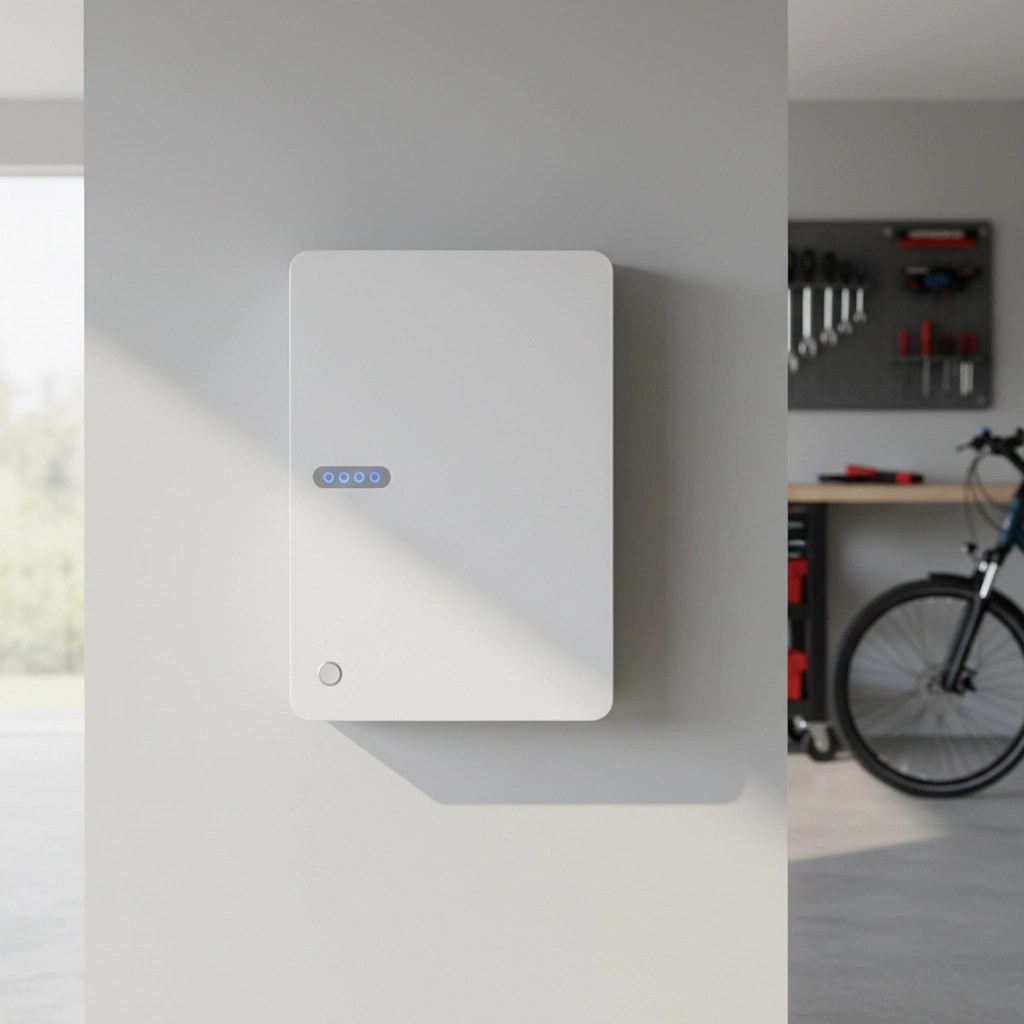
Energy storage technology advances make residential battery systems increasingly practical for Texas applications. These systems can store solar energy during peak production hours and release it during evening periods when grid demand peaks, reducing reliance on increasingly expensive grid electricity.
Conclusion
The convergence of massive data center expansion, rapid population growth, and Texas's independent grid structure creates unprecedented challenges for residential electricity costs. With industry experts projecting rate increases exceeding 50% and potential supply concerns by 2027, Texas homeowners face significant financial impacts from these broader economic trends.
Solar energy systems offer a strategic response to these challenges, providing rate stability, energy independence, and protection against grid supply disruptions. As data centers and population growth drive electricity demand toward doubling by 2030, residential solar adoption becomes not just economically advantageous but strategically necessary for long-term energy security.
The timing proves critical, as installation costs remain stable while future grid electricity rates face substantial increases. Homeowners who act before major rate escalations begin can secure energy independence while avoiding the full impact of Texas's energy transformation.
Rob Gonzalez – Manager DFW | 9566482089 | robert.gonzalez@ionsolar.com
Leave a Reply