
Dallas-area homeowners face mounting electricity costs as multiple economic and infrastructure factors converge to drive rates upward. The average residential electricity rate in Texas reached 15.49¢ per kWh as of May 2025, with typical Dallas households paying approximately $170.63 per month, representing an increase from $165.94 in 2024.
Oncor's Infrastructure Investment and Rate Case
Oncor Electric Delivery, the transmission and distribution utility serving the Dallas metroplex, filed for a 4.7% utility rate increase that would raise the average residential electric bill by approximately $7 per month. The company seeks an additional $834 million in annual revenue to address critical infrastructure needs and operational costs.
The proposed increase addresses several specific cost categories. Storm recovery expenses and system hardening measures account for nearly half of the requested rate adjustment. Oncor manages more than 30 major storm events annually, requiring extensive repairs and infrastructure upgrades to maintain grid reliability.
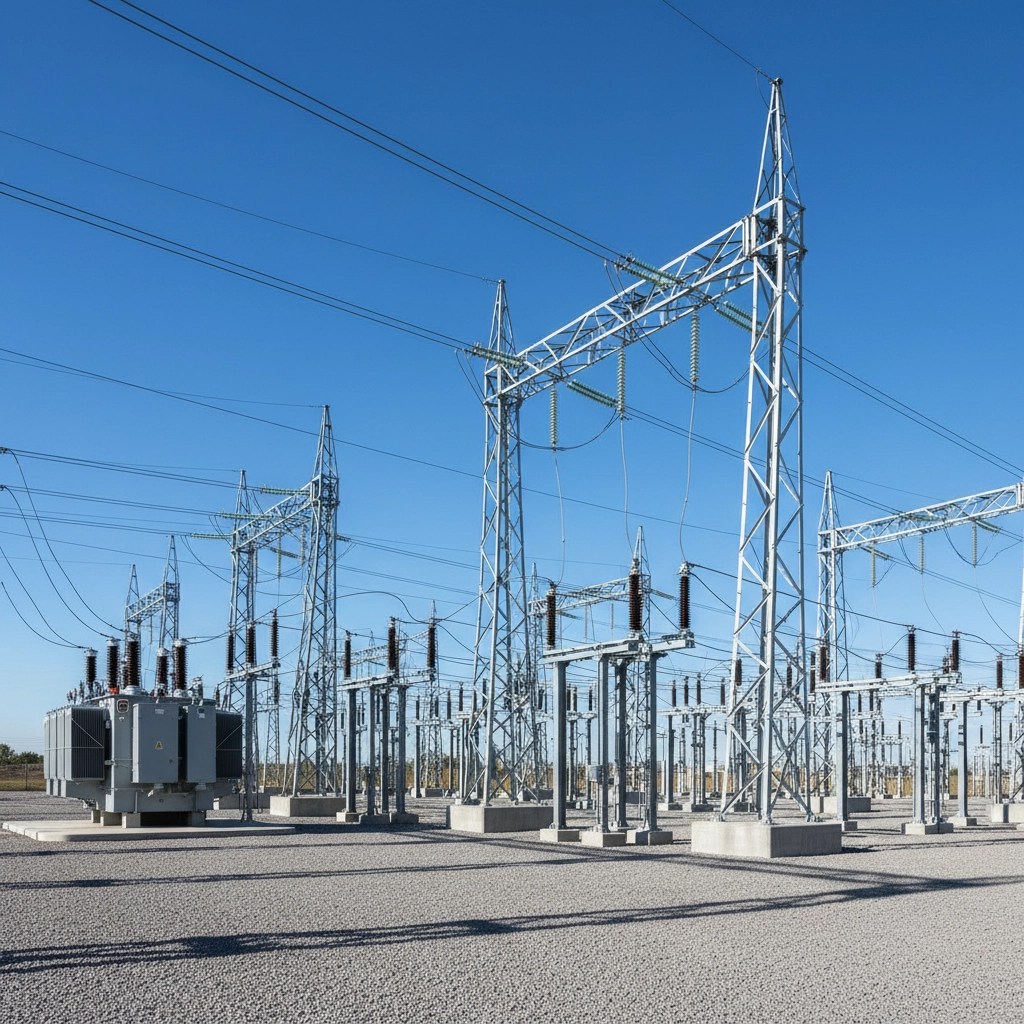
Inflation-driven operating costs represent approximately 20% of the increase request. These expenses include elevated insurance premiums, wage adjustments, and increased interest payments on capital investments. The utility company operates within a regulated framework that requires demonstrating cost justification for rate adjustments through detailed regulatory proceedings.
Dallas-Area Electric Cooperatives
Eleven electric cooperatives serve portions of the Dallas metropolitan area, including rural and suburban communities outside Oncor's service territory. These cooperatives operate as member-owned utilities, setting rates based on their specific infrastructure needs and operational costs. While cooperatives maintain independent rate structures, they face similar pressures from transmission costs, wholesale power prices, and infrastructure investment requirements.
The cooperatives typically purchase wholesale power from the Electric Reliability Council of Texas (ERCOT) market and manage local distribution systems. Rate adjustments by cooperatives reflect changes in wholesale power costs, transmission charges, and local infrastructure maintenance needs.
Sempra's Capital Investment Plan
Oncor's parent company, Sempra Energy, maintains a capital investment plan exceeding $36 billion for grid expansion and modernization projects. This substantial infrastructure spending addresses growing electricity demand across Texas and enhances grid resilience against extreme weather events.
The capital plan encompasses transmission line construction, substation upgrades, and smart grid technology implementation. These investments require regulatory approval and cost recovery through rate adjustments, contributing to long-term upward pressure on electricity bills.
City officials and consumer advocates have raised concerns about Oncor's return-on-equity requests, which exceed national averages for utility companies. The rate case proceedings involve negotiations between Oncor, municipal governments, and regulatory authorities to establish appropriate cost recovery mechanisms.
Population Growth and Economic Development
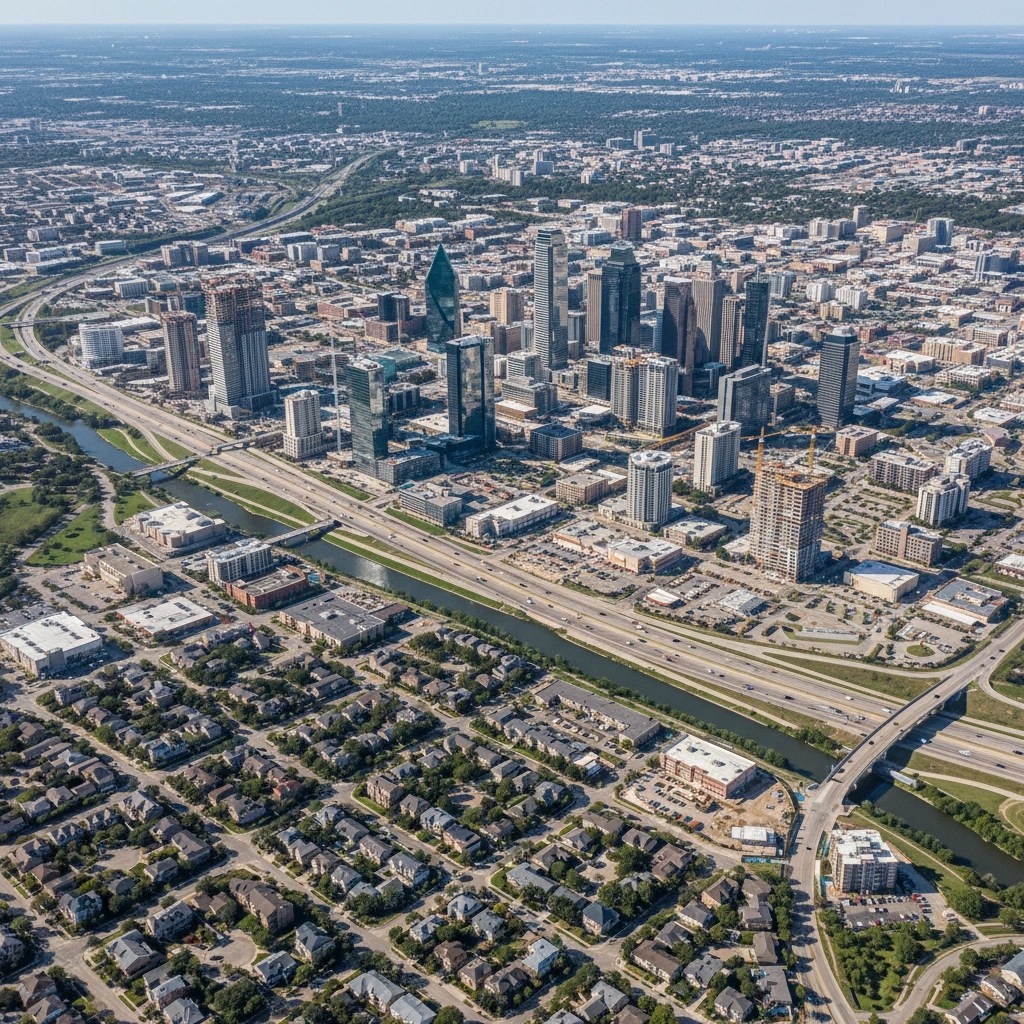
Texas population growth, particularly in metropolitan areas like Dallas, creates substantial new electricity demand. ERCOT CEO Pablo Vegas projects electricity demand could nearly double by 2030, driven by residential expansion and commercial development.
The Dallas-Fort Worth metroplex continues attracting businesses and residents, placing additional strain on existing electrical infrastructure. New residential developments, commercial facilities, and industrial operations require grid expansion and capacity upgrades to maintain reliable service.
Technology sector expansion contributes significantly to demand growth. Data centers, cryptocurrency mining operations, and artificial intelligence computing facilities consume substantial electricity resources. These high-demand customers require dedicated infrastructure investments and grid capacity enhancements.
Storm Recovery and Grid Hardening Costs
Post-Winter Storm Uri infrastructure improvements impose long-term costs exceeding $30 billion across Texas. These grid hardening measures address vulnerabilities exposed during the February 2021 winter storm that caused widespread power outages and equipment failures.
Regulatory requirements mandate specific resilience improvements, including weatherization standards for power generation facilities and transmission infrastructure. The costs of these mandated upgrades are recovered through rate adjustments and surcharges applied to customer bills.
Oncor implements ongoing storm response and recovery programs that require significant operational expenditures. The company maintains emergency response capabilities and conducts preventive maintenance to reduce outage frequency and duration during severe weather events.
Natural Gas Price Volatility
Natural gas serves as the primary fuel source for electricity generation in Texas, comprising approximately 40% of the state's generation mix. Natural gas prices face projected increases of roughly 24% over the next 18 months, directly affecting wholesale electricity costs.
The volatility in natural gas markets reflects supply chain constraints, increased demand from industrial users, and seasonal consumption patterns. Power generation facilities pass fuel cost increases through to wholesale electricity markets, ultimately affecting retail electricity prices.

New power plant construction costs have increased 30-100% compared to levels from two years earlier. These elevated construction expenses reflect materials price inflation, labor shortages, and supply chain disruptions affecting utility-scale projects.
Regulatory and Market Factors
Texas operates a deregulated electricity market allowing consumers to select retail electricity providers. However, transmission and distribution charges remain regulated and apply to all customers regardless of their chosen retail provider.
Oncor operates as a regulated monopoly for transmission and distribution services in its service territory. Rate adjustments require approval from the Public Utility Commission of Texas following detailed cost reviews and stakeholder proceedings.
Municipal governments and consumer advocacy groups participate in rate case proceedings to represent customer interests. These entities may negotiate rate adjustment terms or challenge specific cost recovery requests through the regulatory process.
Infrastructure Investment Incentives
Utility companies earn returns on capital investments in transmission and distribution infrastructure. This regulatory framework creates financial incentives for infrastructure spending, as utilities generate profits from approved capital projects.
The rate-of-return regulation model allows utilities to recover infrastructure investment costs plus a reasonable profit margin. Higher infrastructure spending levels generally result in increased revenue opportunities for utility companies, subject to regulatory oversight and prudency reviews.
Grid modernization initiatives receive regulatory support due to reliability and resilience benefits. Smart grid technology, advanced metering infrastructure, and automated systems require substantial capital investments that are recovered through customer rates over time.
Economic Decisions and Rate Negotiations
Coalition groups representing Dallas-area municipalities actively negotiate with Oncor regarding rate increase proposals. These negotiations may result in reduced rate adjustment amounts or modified cost recovery timelines.
Consumer advocates argue that utility profit margins should reflect current economic conditions and comparable industry standards. The regulatory process examines whether requested returns on equity align with financial market conditions and utility company risk profiles.
Rate case settlements often involve compromises between utility revenue requirements and customer affordability concerns. Final rate adjustments may differ from initial utility requests based on negotiated agreements and regulatory decisions.
Outlook for Dallas Homeowners
Dallas-area electricity costs face continued upward pressure from multiple structural factors. Population growth, infrastructure investment needs, and regulatory requirements suggest sustained rate increases over the coming years.
Homeowners can evaluate electricity usage patterns and consider energy efficiency improvements to manage bill impacts. Solar panel installations may provide long-term cost stability and reduced dependence on grid electricity for qualifying properties.
The deregulated market structure allows customers to compare retail electricity plans and contract terms. Strategic contract selection during promotional periods may provide temporary relief from rate increases, though underlying transmission and distribution costs continue rising regardless of retail provider selection.
Regulatory proceedings provide opportunities for public participation and stakeholder input on utility rate proposals. Customers may submit comments or attend public hearings as part of the rate review process conducted by state regulatory authorities.
Rob Gonzalez – Manager DFW | 9566482089 | robert.gonzalez@ionsolar.com
Leave a Reply