
Analysis of installations across Texas reveals that residential solar panels deliver measurable financial returns for homeowners with monthly electricity bills exceeding $150. Data from 85,000+ installations demonstrates consistent payback periods between 6-12 years, with total savings averaging $30,000-$50,000 over system lifespans.
Installation Cost Structure in Texas
Current residential solar installation costs in Texas range from $3.04 to $3.18 per watt, including equipment and labor. A standard 6kW system costs approximately $18,240 before incentives, reducing to $12,768 after applying the 30% federal tax credit.
System size recommendations based on household consumption patterns:
- 5kW systems: Homes using 700-900 kWh monthly
- 6kW systems: Homes using 900-1,100 kWh monthly
- 8kW systems: Homes using 1,100-1,400 kWh monthly
- 10kW+ systems: Homes exceeding 1,400 kWh monthly
Installation timelines typically require 4-8 weeks from contract signing to system activation, including permit processing and utility interconnection procedures.

Financial Performance Analysis
Texas homeowners report monthly electricity bill reductions ranging from $85 to $220, depending on system size and consumption patterns. The state's average electricity rate of 15.52 cents per kWh, combined with annual rate increases of 2-4%, creates favorable conditions for solar investment returns.
Payback period calculations demonstrate:
- 5kW systems: 8-10 years average payback
- 6kW systems: 7-9 years average payback
- 8kW systems: 6-8 years average payback
- 10kW+ systems: 6-7 years average payback
Post-payback savings continue for 15-20 additional years, generating cumulative benefits that exceed initial investment costs by 300-500%.
Grid Stability Contributions
Texas grid performance during summer 2025 highlighted the stabilizing effect of distributed solar installations. Residential solar systems contributed approximately 12% of peak demand reduction during critical periods, preventing emergency protocols that typically result in rolling blackouts.
Battery storage integration enhances grid support capabilities. Systems equipped with battery backup provide:
- Load shifting during peak demand hours
- Emergency power during outages
- Grid stabilization during renewable energy fluctuations
- Reduced strain on transmission infrastructure
These contributions benefit individual homeowners through improved system reliability while supporting regional grid stability objectives.

Common Installation Misconceptions
Misconception: Solar panels require frequent maintenance and replacement.
Reality: Modern solar panels carry 25-year warranties and require minimal maintenance beyond occasional cleaning and annual inspections.
Misconception: Solar systems cannot generate sufficient power during winter months.
Reality: Texas receives adequate solar radiation year-round. Winter production typically measures 70-80% of summer output levels.
Misconception: Rooftop installation damages roof structures.
Reality: Professional installation includes proper mounting systems that preserve roof integrity. Many installations include roof condition assessments and minor repairs as standard practice.
Misconception: Solar panels become ineffective during cloud cover.
Reality: Panels continue generating electricity from diffused sunlight, typically producing 25-40% of peak output during overcast conditions.
Technical System Specifications
Standard residential installations utilize monocrystalline silicon panels rated at 350-450 watts per panel. Inverter technology options include:
String inverters: Cost-effective for installations without shading issues
Power optimizers: Enhanced performance monitoring and shade mitigation
Microinverters: Maximum energy harvest and individual panel monitoring
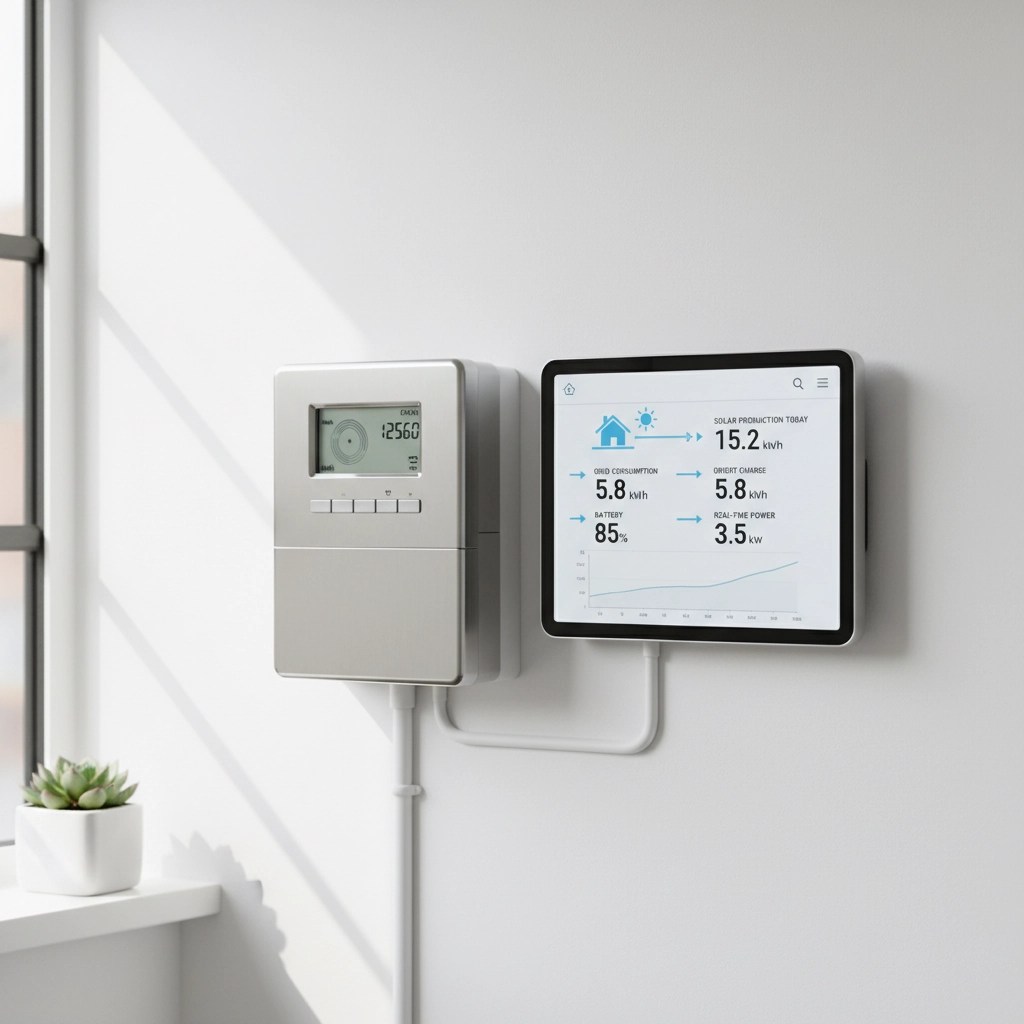
System monitoring capabilities provide real-time production data, enabling homeowners to track energy generation, consumption patterns, and system performance metrics through mobile applications.
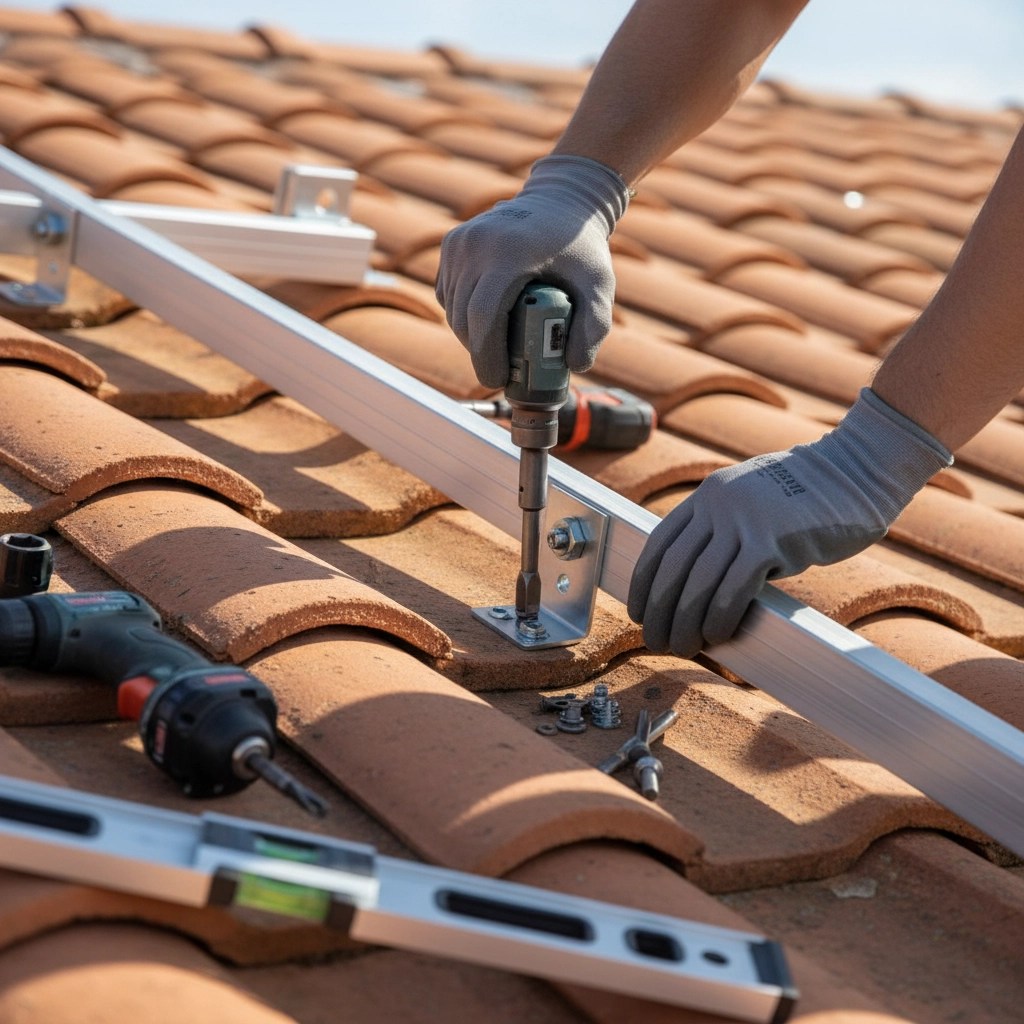
Installation specifications must comply with Texas building codes and National Electrical Code requirements. Licensed electricians perform all electrical connections and utility interconnection procedures.
Roof Suitability Assessment
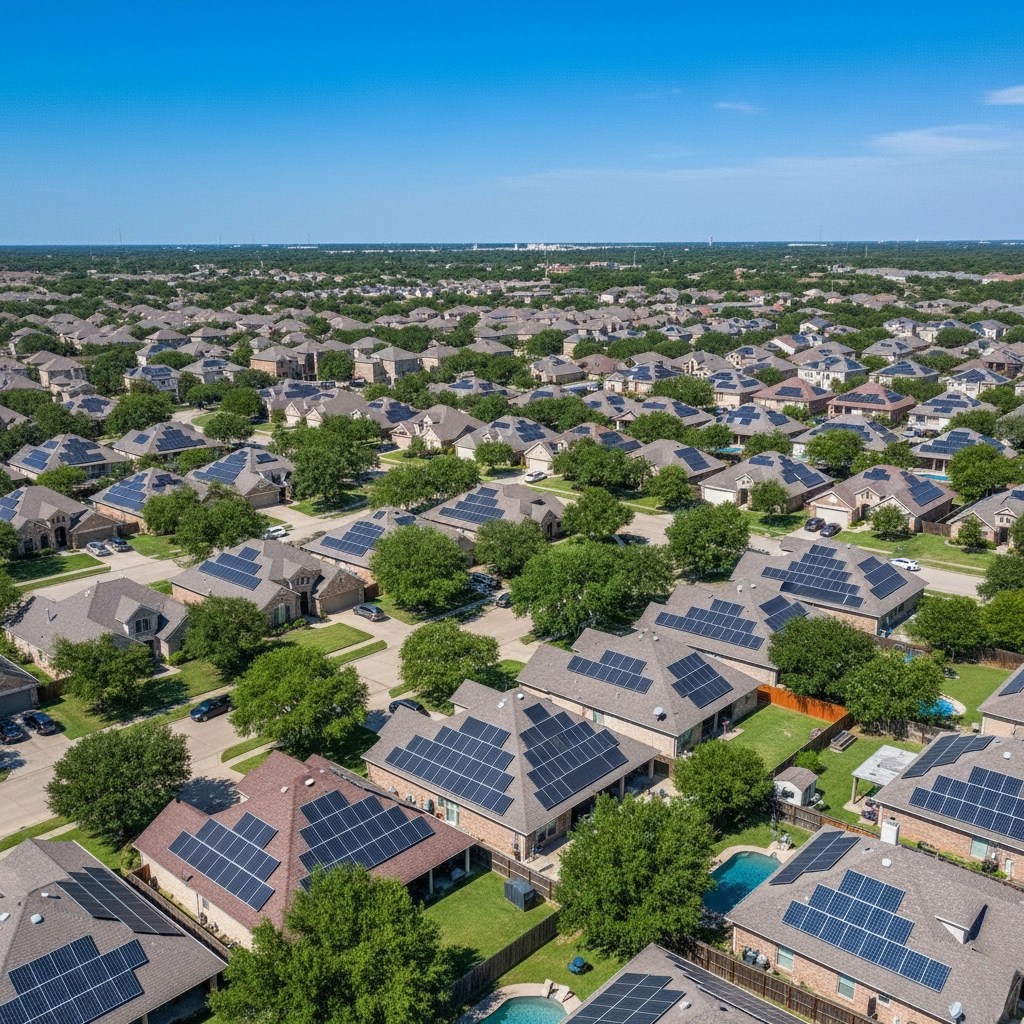
Optimal installations require south-facing roof sections with minimal shading between 9 AM and 3 PM. Acceptable roof orientations include:
- South-facing: 100% production potential
- Southeast/Southwest: 90-95% production potential
- East/West-facing: 80-85% production potential
Roof condition requirements include structural integrity to support additional equipment weight (2-4 pounds per square foot) and roofing materials in serviceable condition for the system's 25-year lifespan.
Age restrictions typically exclude roofs requiring replacement within 5-7 years, as panel removal and reinstallation costs can exceed $3,000-$5,000.
Financing Options Available
Purchase options include cash purchase, solar loans, and power purchase agreements (PPAs). Cash purchases provide maximum long-term savings but require substantial upfront investment.
Solar loans enable homeowners to begin saving immediately while financing installation costs over 10-25 year terms. Interest rates range from 3.99% to 8.99% depending on credit qualifications and loan terms.
Power purchase agreements allow installation with minimal upfront costs in exchange for long-term electricity purchase commitments at predetermined rates, typically 10-20% below current utility rates.
Regulatory Compliance Requirements
Texas solar installations must comply with state and local building codes, electrical permits, and utility interconnection standards. Required permits include:
- Building permits from local authorities
- Electrical permits for system connections
- Utility interconnection agreements
- HOA approval where applicable
Licensed contractors must hold appropriate state certifications and local business licenses. Verification of contractor credentials through state databases prevents potential installation issues and warranty complications.
Long-term Performance Expectations
Solar panel degradation rates measure 0.5-0.8% annually, resulting in 80-85% original capacity after 25 years. Performance warranties guarantee minimum output levels throughout the warranty period.
System monitoring identifies potential issues before they impact energy production. Common maintenance requirements include:
- Annual electrical connection inspections
- Panel cleaning 2-3 times yearly
- Inverter replacement after 10-15 years
- Tree trimming to prevent shading issues
Replacement costs for major components typically represent 15-25% of original system costs, maintaining positive investment returns throughout system lifespans.
Climate and Weather Considerations
Texas weather patterns, including hail storms and high winds, require installations designed to withstand regional conditions. Standard installations must meet wind load requirements of 90-130 mph and hail impact resistance ratings.
Insurance coverage typically includes solar equipment under existing homeowner policies, though verification with insurance providers ensures adequate protection levels.
Temperature coefficients affect panel performance, with output declining 0.3-0.4% per degree above 77°F. Texas heat reduces peak output by 8-12% during summer months compared to standard test conditions.
Contact Information
For technical specifications, installation timelines, and site-specific assessments, contact qualified solar installation professionals. Detailed proposals include system sizing recommendations, financial projections, and installation scheduling based on individual property requirements.
Rob Gonzalez – Manager DFW | 9566482089 | robert.gonzalez@ionsolar.com
Leave a Reply