
The solar industry faces unprecedented challenges in 2025, with over 100 companies declaring bankruptcy or shutting down operations since 2023. Major players including Sunnova, SunPower, Pink Energy, and Solar Mosaic have either filed for bankruptcy or ceased operations entirely, leaving thousands of homeowners concerned about their solar investments and ongoing system support.
"The problem with solar, isn't solar; it's the company you go with," states Rob Gonzalez, Manager DFW at ION Solar. This perspective highlights a critical distinction between the technology itself: which continues to advance and deliver value: and the business practices that determine long-term customer satisfaction and system support.
The Perfect Storm Behind Solar Company Failures
Rising Interest Rates Impact
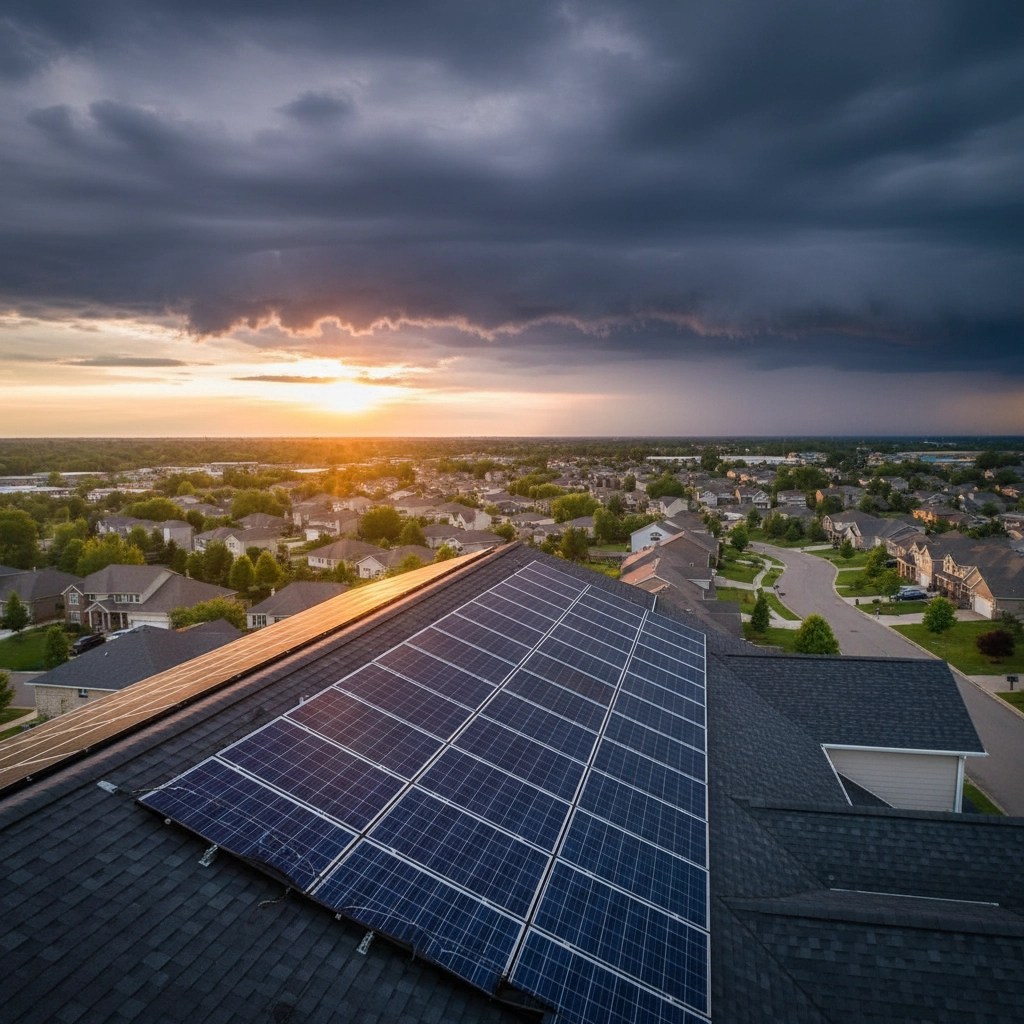
The Federal Reserve's aggressive interest rate increases to combat inflation created severe financial strain throughout the solar industry. Higher interest rates increased borrowing costs significantly, directly impacting residential solar adoption since most consumers finance installations through loans, power purchase agreements, or leases.
For solar companies, increased working capital costs strained cash flow operations. Smaller contractors proved particularly vulnerable, lacking the financial reserves of larger corporations. Companies that relied heavily on debt financing to fund rapid expansion found themselves unable to service existing obligations when refinancing became prohibitively expensive.
Policy Changes Devastate Market Conditions
California's implementation of Net Energy Metering 3.0 proved catastrophic for numerous solar companies. The new policy reduced compensation for surplus electricity sent to the grid by approximately 75% compared to previous rates. This change extended payback periods and significantly reduced the economic attractiveness of residential solar installations.
Companies that concentrated business operations in California reported revenue declines exceeding 80% following NEM 3.0 implementation. The policy change eliminated many companies' primary revenue sources overnight, forcing immediate restructuring or closure.
Financing Structure Problems
Solar lenders modified payment practices, creating severe cash flow issues for installers who must now wait extended periods to receive payment after project completion. This shift forced companies to carry higher operating expenses while awaiting revenue, straining ability to maintain daily operations.
Many failed companies relied on complex financing arrangements that became unsustainable when market conditions shifted. Companies that offered zero-down installations often carried significant capital requirements that became unmanageable during economic uncertainty.
Unsustainable Business Models
Venture capital-funded companies pursuing aggressive growth strategies proved vulnerable when market conditions tightened. These companies prioritized rapid market share acquisition over sustainable financial practices, leaving them unable to adapt when external pressures mounted.
Companies that expanded too rapidly often lacked proper infrastructure to support their customer base long-term. When revenue declined, these organizations could not maintain service commitments or warranty obligations.
Consequences for Homeowners When Solar Companies Fail

When solar companies declare bankruptcy, customers face immediate concerns regarding system support, warranty coverage, and ongoing maintenance obligations. Homeowners discover that contracts may become void, leaving them without technical support for system issues or performance problems.
Equipment warranties typically remain valid through manufacturers, but customers must navigate claim processes independently. Popular manufacturers like Enphase, SolarEdge, and REC generally honor warranties through direct channels, though customers must initiate contact and provide documentation.
Financing agreements usually remain in effect despite installer bankruptcy. Customers maintain loan payment obligations even when the installing company no longer provides support. This situation creates financial responsibility without corresponding service availability.
System monitoring and maintenance services often cease immediately when companies fail. Customers lose access to performance tracking, troubleshooting support, and routine maintenance services that ensure optimal system operation.
Why ION Solar Provides Stability in Uncertain Times
ION Solar maintains financial stability through conservative business practices and diversified operational strategies. The company focuses on sustainable growth rather than rapid expansion, ensuring adequate resources to support long-term customer commitments.
Established Track Record
ION Solar operates with proven business models that prioritize customer satisfaction and system performance over aggressive market capture. The company maintains adequate financial reserves to weather economic fluctuations while continuing to honor warranty and service commitments.
Local Market Focus
Unlike national companies that spread operations across multiple markets, ION Solar concentrates resources in specific geographic areas including Texas. This focused approach allows for better customer service, local market expertise, and more efficient operations.
Comprehensive Service Support
ION Solar provides ongoing system monitoring, maintenance, and support services independent of market conditions. Customers receive continued technical assistance, performance optimization, and warranty support throughout system lifecycles.
Financial Transparency
ION Solar maintains transparent financial practices and sustainable growth strategies. The company avoids excessive debt loads or complex financing structures that proved problematic for failed competitors.
Texas Solar Market Considerations
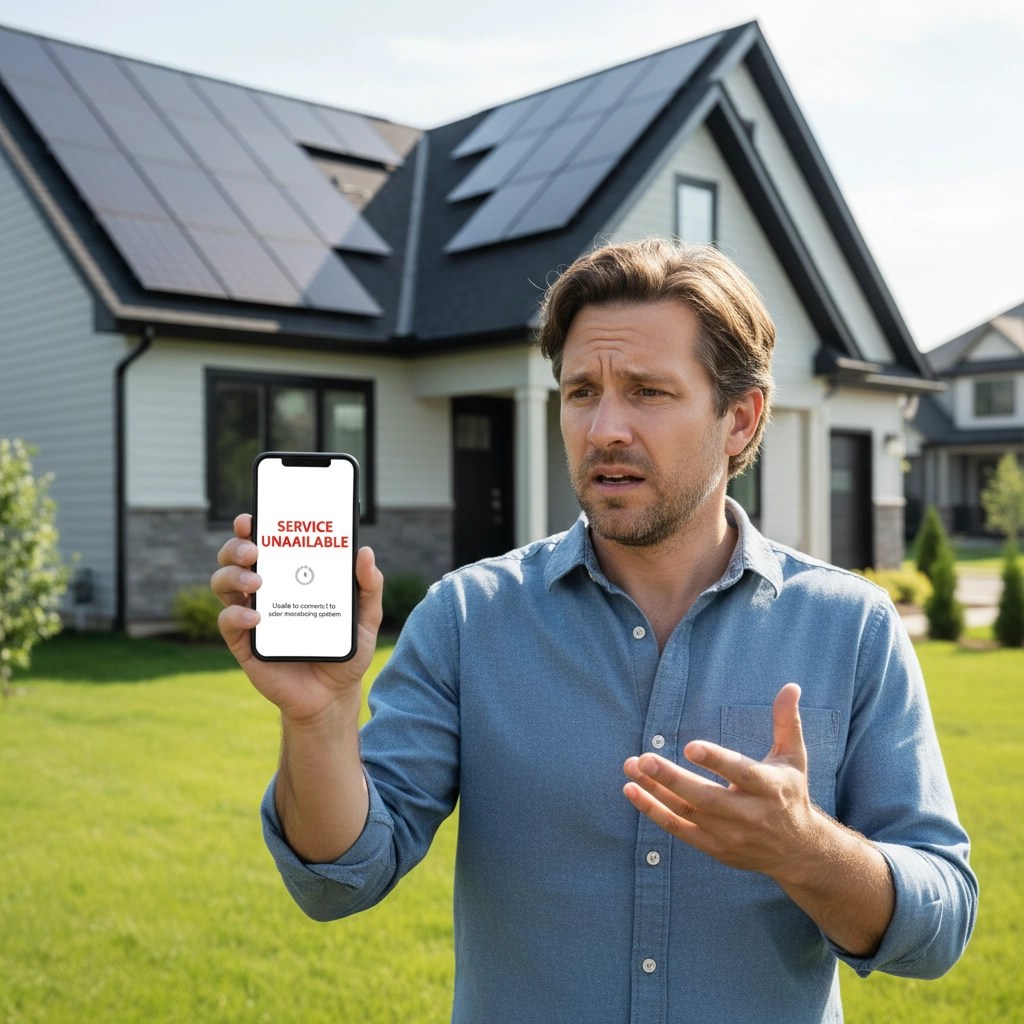
Texas presents unique advantages for solar adoption and company stability. The state's deregulated electricity market provides favorable conditions for solar economics, while robust energy demand supports sustained market growth.
Texas offers net metering policies that remain more favorable than California's recent changes. The state's approach to distributed energy resources supports continued solar adoption without the dramatic policy reversals experienced elsewhere.
Property tax exemptions for solar installations in Texas enhance project economics, making systems more attractive to homeowners despite challenging financing conditions. This policy stability provides predictable returns on investment.
The state's energy grid challenges, highlighted during recent weather events, increase homeowner interest in energy independence through solar and battery storage systems. This demand supports stable business conditions for properly positioned companies.
Equipment and Warranty Protections
Modern solar installations utilize equipment from established manufacturers that provide independent warranty support. Companies like Enphase, SolarEdge, Tesla, and REC maintain warranty programs that continue regardless of installer status.
Inverter warranties typically span 10-25 years and include performance guarantees. These warranties remain enforceable directly with manufacturers, providing continued protection for system components.
Solar panel manufacturers offer production warranties extending 20-25 years with guaranteed power output levels. These manufacturer warranties provide system performance protection independent of installation company status.
Battery storage systems include separate warranty coverage from manufacturers like Tesla, Enphase, and LG Chem. These warranties continue regardless of installation company changes, ensuring continued energy storage protection.
Due Diligence for Solar Customers
Prospective solar customers should verify installer financial stability, business practices, and local market presence before committing to installations. Companies with sustainable business models, adequate capitalization, and proven track records provide better long-term value.
Review warranty documentation to understand manufacturer versus installer obligations. Ensure equipment warranties provide direct manufacturer support independent of installer involvement.
Understand financing terms and obligations that continue regardless of installer status. Solar loans typically remain borrower responsibility even when installing companies cease operations.
Verify local licensing and insurance coverage that demonstrates company legitimacy and consumer protection. Established companies maintain proper licensing, bonding, and insurance coverage to protect customer investments.
The solar industry continues to provide significant value for homeowners despite recent company failures. Technology advances, equipment reliability, and economic benefits remain strong while market conditions eliminate poorly managed companies. Customers who select stable, well-managed installers like ION Solar can proceed with confidence in their solar investments.
For more information about ION Solar's services and approach to customer protection, visit www.ionsolar.com or contact our team directly.
Rob Gonzalez – Manager DFW | 9566482089 | robert.gonzalez@ionsolar.com
Leave a Reply