
Texas energy infrastructure continues to evolve rapidly as the state addresses growing electricity demand and grid reliability concerns. Recent developments in October 2025 demonstrate significant progress across battery storage expansion, grid modernization, and regulatory frameworks designed to protect residential customers during peak demand periods.
Battery Storage Boom: Texas Leads National Grid Reliability Efforts
Texas has emerged as the nation's leading state for battery energy storage deployment, with multiple major projects advancing grid stability and reliability for homeowners across the state. On October 23, 2025, Energy Vault announced acquisition of the SOSA Energy Center, a 150 MW/300 MWh battery energy storage system in Madison County. This facility represents Energy Vault's first project through its new Asset Vault investment platform, with construction beginning in Q4 2025 and commercial operation targeted for Q1 2027.
Austin Energy simultaneously signed a major agreement with Jupiter Power for up to 100 megawatts of utility-scale battery storage capacity. This $288 million, 20-year contract represents Austin Energy's largest battery storage initiative and supports the city's goal of achieving 125 megawatts of battery storage by 2027. For homeowners considering solar installation texas options, these grid-scale storage developments provide enhanced stability for residential solar systems during peak demand periods.
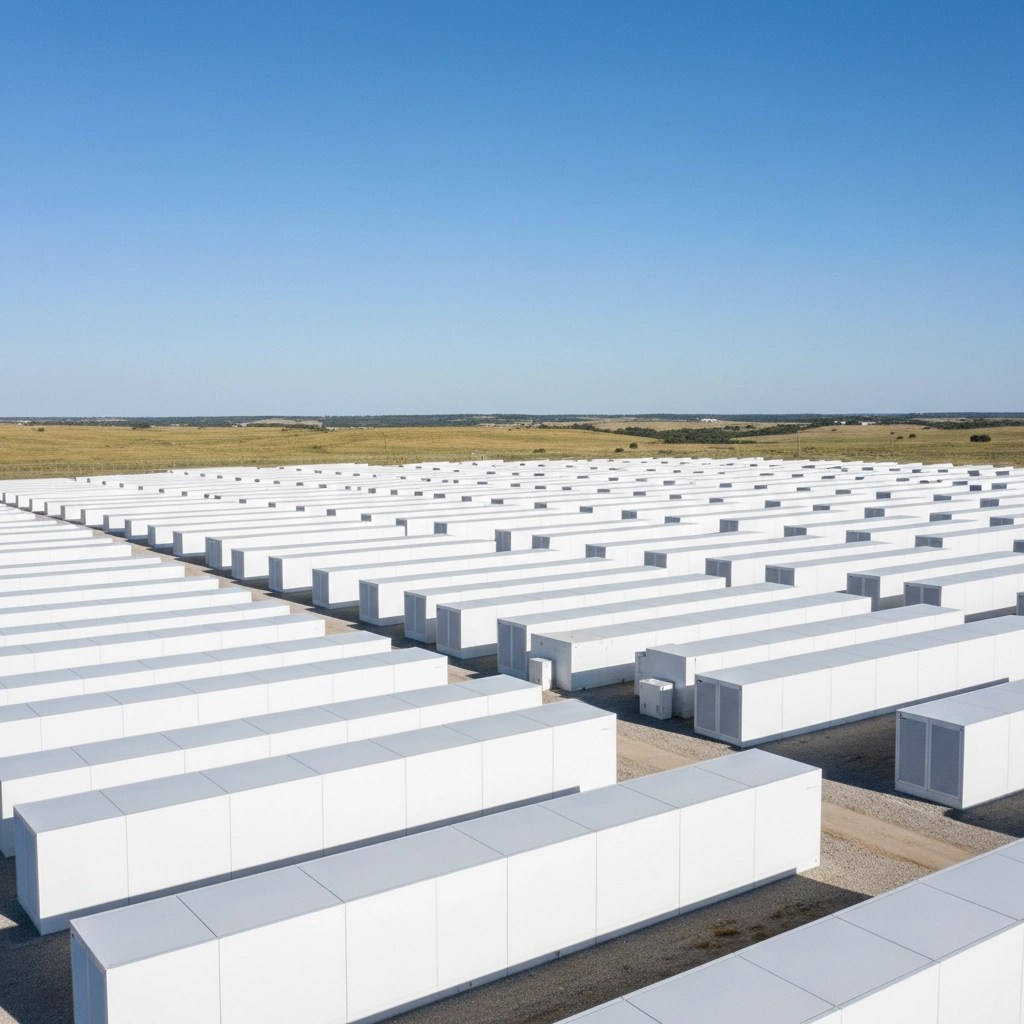
Battery storage capacity in Texas approached 10 GW in 2024 and is projected to triple to 27.5 GW within two years. This expansion directly benefits residential customers by stabilizing grid frequency and providing backup power during extreme weather events. esVolta's three-project portfolio, comprising 980 MWh of total capacity and 490 MW of peak power, collectively provides approximately 4% of ERCOT's anticipated storage capacity.
The Burksol facility in Dickens County (100 MW/200 MWh) has operated since March 2025, while the Desert Willow project in Ellis County (150 MW/300 MWh) came online in May 2025. The Anole project in Dallas County (240 MW/480 MWh) began operations in July 2025. Adapture Renewables launched facilities in Collin County and Kimble County during early 2025, with a Galveston County project completing the portfolio expansion in fall 2025.
For homeowners evaluating solar panels for home texas installations, these grid-scale storage developments enhance the value proposition of residential solar systems by providing grid stability during peak production hours and reducing curtailment risks.
Major Grid Expansion and New Power Generation Infrastructure
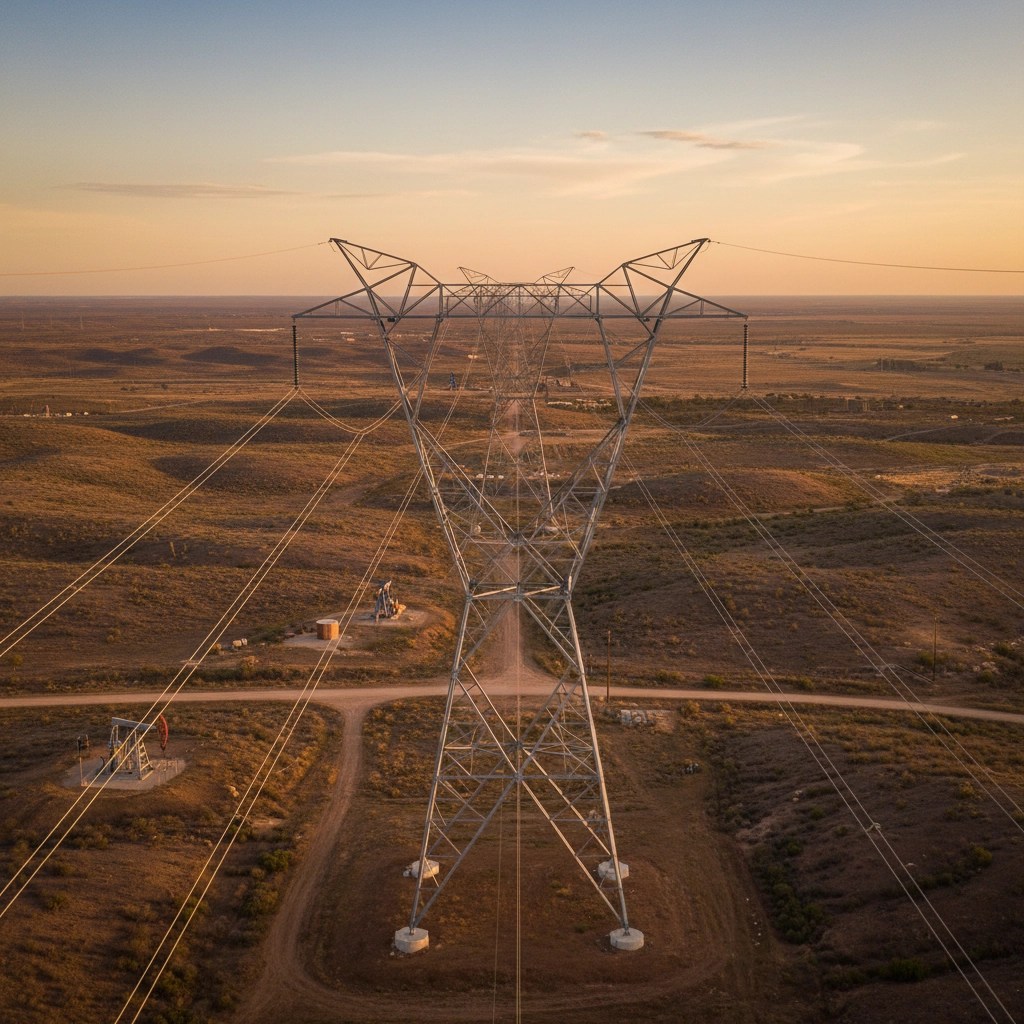
ERCOT has identified critical transmission capacity needs to support continued electricity demand growth, particularly in the Permian Basin region where oil and gas operations require significant electrification infrastructure. A decision on new 765-kV transmission infrastructure is expected in Q2 2025, with substantial investments planned to modernize the grid's capacity to handle increased renewable energy integration.
The $13.8 billion Permian Basin transmission expansion represents one of the largest grid modernization efforts in Texas history. This infrastructure development creates improved interconnection opportunities for distributed energy resources, including residential solar systems. Enhanced transmission capacity reduces grid congestion and improves the economic value of home solar installation projects across rural and suburban Texas communities.
New natural gas power plants in Freestone County and Harris County are scheduled for completion ahead of winter demand periods. These facilities provide dispatchable generation capacity to complement renewable energy sources and ensure grid reliability during extreme weather events. The combination of renewable energy expansion and reliable backup generation creates optimal conditions for solar savings texas homeowners seeking energy independence.
RWE's Crowned Heron battery storage projects advance grid modernization efforts, with Crowned Heron 1 completed in summer 2025 and Crowned Heron 2 commissioned in fall 2025. These projects demonstrate private sector investment in grid infrastructure that directly supports residential renewable energy adoption.
Fort Duncan Storage, a 200 MWh standalone facility, joined Recurrent Energy's operating portfolio in June 2025. Additional large-scale projects remain under development, including Phases 2 and 3 of the Padua project, which will deliver 350 megawatts and 1.7 gigawatt-hours of 5-hour battery storage capacity.
New Lithium Extraction Facility and Critical Minerals Development
Texas has initiated its first water-based lithium extraction facility, utilizing oil and gas waste streams to support domestic battery supply chains. This facility addresses critical mineral supply constraints that have previously limited battery storage deployment and electric vehicle adoption across the state.
The lithium extraction project creates local employment opportunities while reducing dependence on international supply chains for battery components. For Texas homeowners considering renewable energy for homes installations with battery backup systems, domestic lithium production enhances supply security and potentially reduces long-term battery costs.
This development supports the broader energy transition by ensuring adequate battery materials for both grid-scale storage projects and residential energy storage systems. The facility's integration with existing oil and gas infrastructure demonstrates Texas's strategic approach to leveraging traditional energy sector resources for clean energy development.

Data Center Regulations and Grid Pressure Management
New regulatory frameworks have been implemented to manage electricity consumption from large data centers and industrial facilities, preventing excessive grid strain that could impact residential customers. These regulations establish priority frameworks ensuring residential and small business customers maintain reliable electricity access during peak demand periods.
The proliferation of artificial intelligence and cryptocurrency data centers has created unprecedented electricity demand in certain Texas regions. New rules require large industrial users to implement demand response capabilities and contribute to grid stability services, reducing the risk of blackouts similar to Winter Storm Uri.
For homeowners with solar installation texas systems, these regulations provide additional protection against grid instability caused by large industrial loads. Priority access rules ensure residential customers, including those with solar panels for home texas installations, maintain electricity service during high-demand periods.
Data center regulations also establish interconnection standards that prevent industrial facilities from degrading power quality for residential customers. This regulatory framework enhances the value proposition of home solar installation by ensuring stable grid conditions for net metering and power export during peak solar production periods.
Continued Rise of Renewables and Storage Integration
Texas maintains its position as the national leader in renewable energy capacity additions, with wind, solar, and battery storage installations continuing to expand across the state. The integration of renewable generation with grid-scale storage creates enhanced opportunities for residential solar adoption and improved grid reliability.
Wind energy production has reached record levels throughout 2025, with new turbine installations in West Texas and the Panhandle region providing clean electricity during peak demand periods. Solar development continues across Central and South Texas, with utility-scale installations complementing distributed residential solar systems.

The combination of renewable energy growth and battery storage deployment creates optimal market conditions for solar incentives texas programs and residential energy independence strategies. Homeowners benefit from stable electricity prices and reduced exposure to natural gas price volatility through solar adoption.
Energy storage integration allows renewable energy sources to provide reliable electricity during evening peak demand hours, when solar production typically declines. This capability enhances the economic value of residential solar systems by enabling time-of-use arbitrage and peak demand reduction strategies.
Texas renewable energy leadership creates a favorable regulatory environment for residential solar adoption, with streamlined permitting processes and interconnection standards that reduce installation costs and timeline requirements. The state's commitment to renewable energy development ensures long-term policy stability for homeowners investing in solar technology.
These developments position Texas as a national model for grid modernization and renewable energy integration, providing homeowners with enhanced opportunities for energy independence through solar adoption while maintaining reliable grid services during extreme weather events.
Rob Gonzalez – Manager DFW | 9566482089 | robert.gonzalez@ionsolar.com
Leave a Reply