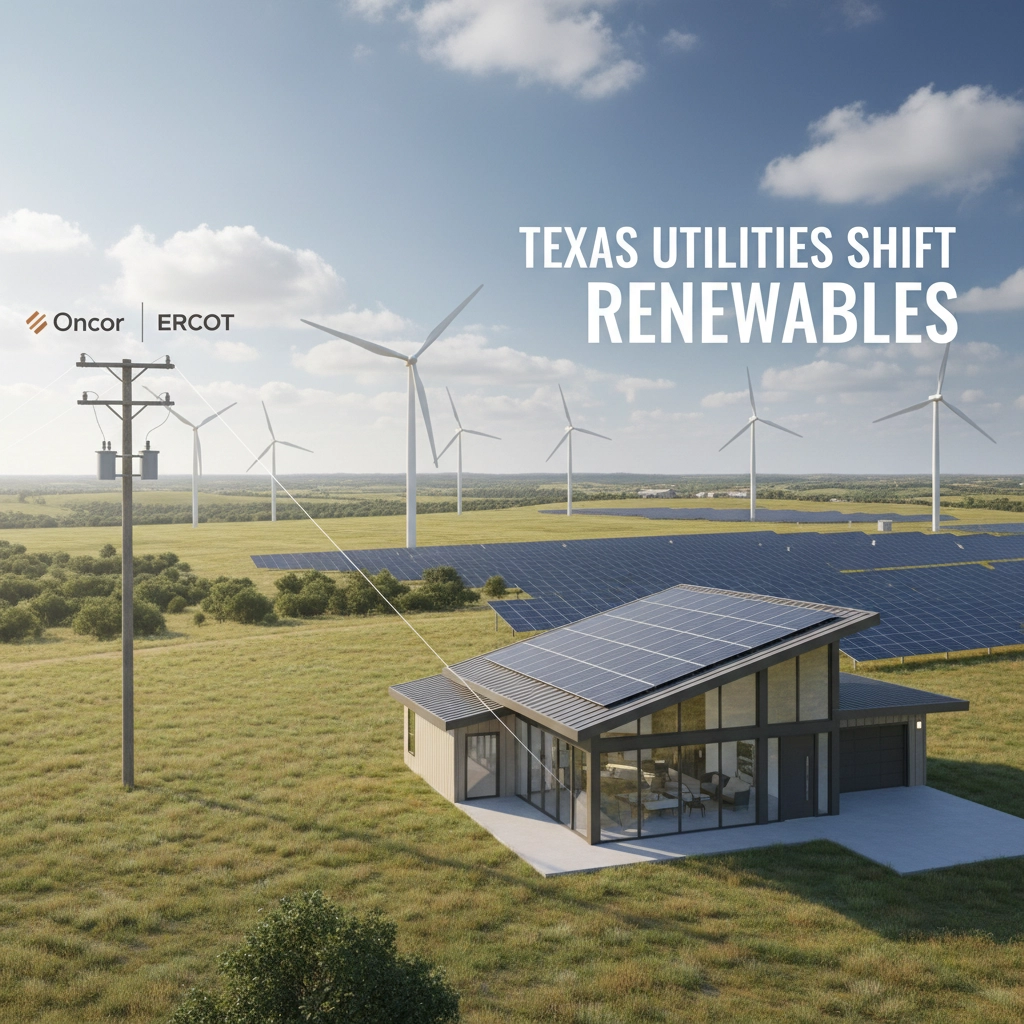
Texas utilities are undergoing significant changes as demand reaches record levels and renewable energy sources become the primary drivers of grid expansion. Recent developments from Oncor and ERCOT indicate substantial shifts that directly impact residential customers across the state.
Rate Adjustments and Financial Impacts
Oncor Electric Delivery has pursued multiple rate adjustments throughout 2025 to address infrastructure expansion requirements. The utility filed for a base rate increase of approximately $834 million in June 2025, designed to take effect by July 31, 2025. Additionally, Oncor requested interim rate relief totaling $6.7 billion to bridge operational costs until the Public Utilities Commission of Texas approves final rate structures.
These interim rates specifically affect larger commercial customers consuming over 10 kilowatts of energy. Residential customers face rate pressures through what utilities term "regulatory lag" – the time gap between proposing infrastructure projects, construction completion, and cost recovery through rate adjustments.
The utility attributes rate increase requests to rapid demand growth requiring immediate infrastructure investment. Texas power demand increased 5% year-over-year in 2025 and 23% since 2021, necessitating substantial transmission and distribution system upgrades.

Record Renewable Energy Integration
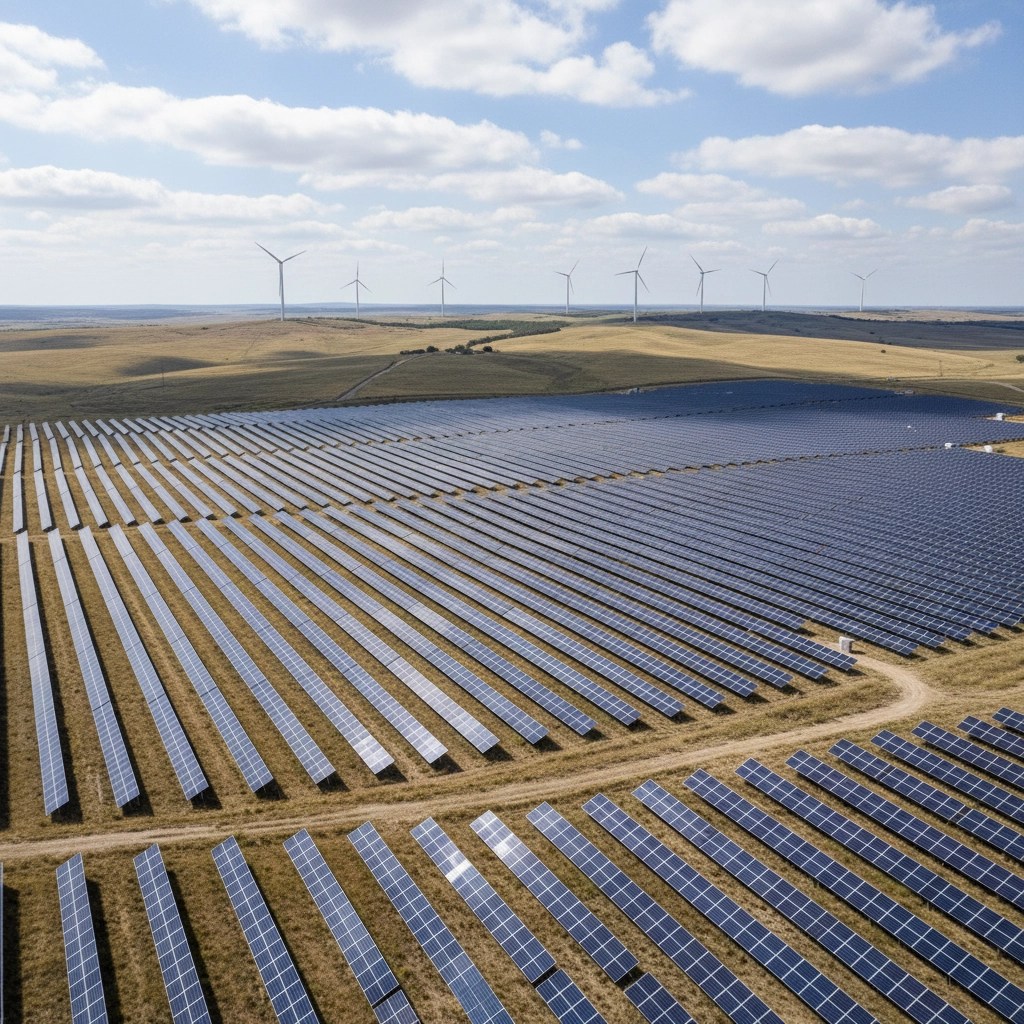
ERCOT data demonstrates that Texas utilities are meeting unprecedented electricity demand primarily through renewable energy sources. Solar generation increased 50% during the first nine months of 2025, reaching 45 terawatt-hours of production – nearly four times the 2021 output levels. Wind generation rose 4% to 87 terawatt-hours during the same period.
Renewable energy sources now supply 36% of ERCOT's total demand, representing the highest renewable penetration rate in grid history. This renewable energy expansion directly benefits homeowners through increased grid stability during peak demand periods and reduced reliance on volatile natural gas pricing.
ERCOT projections indicate demand will climb an additional 14% in 2026, making Texas the fastest-growing electricity grid in the United States. Solar installation Texas programs continue expanding to meet this demand growth through distributed generation resources.
Infrastructure Investment Programs
Oncor committed to a $36.1 billion five-year capital investment plan covering 2025 through 2029. A significant portion of these funds supports the Permian Basin Reliability Plan (PBRP), a critical transmission expansion project utilizing 765-kilovolt technology rather than standard 345-kilovolt infrastructure.
The Public Utility Commission of Texas approved the higher-voltage approach in April 2025, with ERCOT estimating total PBRP costs at approximately $15 billion. Oncor bears responsibility for more than half of these infrastructure expenses.
During the first half of 2025, Oncor constructed, rebuilt, or upgraded approximately 1,390 circuit miles of transmission and distribution lines. These infrastructure improvements enhance grid reliability for residential customers while supporting increased solar energy Texas integration capacity.
Battery Storage Expansion Impact
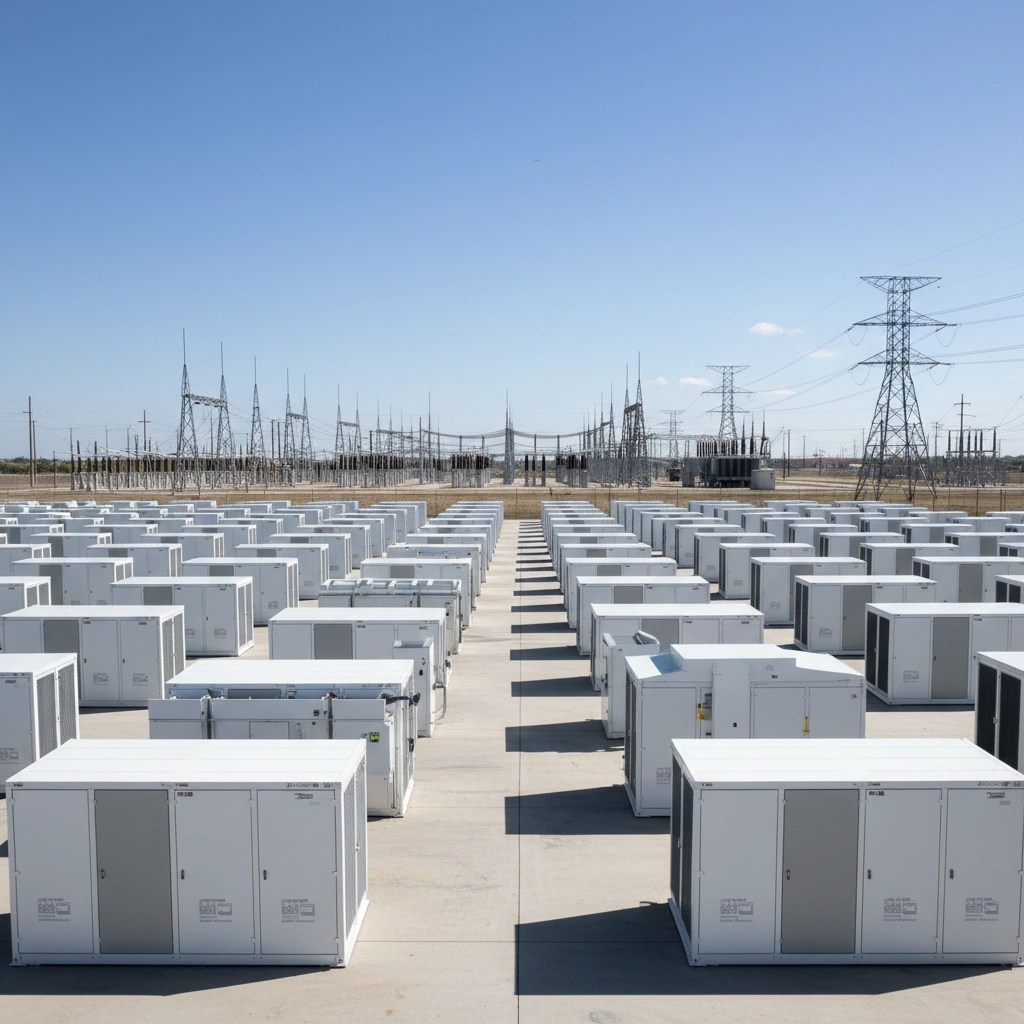
Texas utilities are implementing large-scale battery storage systems to complement renewable energy generation. These storage facilities provide grid stability during periods when solar and wind output fluctuates, ensuring consistent electricity supply for residential customers.
Battery storage systems allow utilities to store excess solar generation during peak production hours and release power during evening demand periods. This technology reduces the need for expensive peak-demand generation facilities, potentially moderating future rate increases.
Homeowners benefit from improved grid reliability through reduced outage frequency and duration. Battery storage integration also supports home solar installation programs by providing grid-level backup during system maintenance periods.
Distributed Energy Resources Opportunity
Research commissioned by the Texas Advanced Energy Business Alliance indicates Oncor customers could achieve $8.5 billion in savings over the next decade through distributed energy resources (DERs). These customer-owned technologies include residential solar panels, battery storage systems, electric vehicles, and smart appliance integration.
Individual Oncor customers could save approximately $279 annually, totaling $2,102 over ten years through DER adoption. However, current utility policies create barriers to distributed energy resource deployment, limiting customer access to these savings opportunities.
The study highlights tensions between utility infrastructure expansion costs and customer-side solutions that could reduce overall system expenses. Solar panels for home Texas installations represent a primary component of distributed energy resource programs.
Grid Modernization Timeline
Oncor's infrastructure investments will continue through 2029 and beyond, with major transmission projects affecting service areas throughout the Dallas-Fort Worth region and other Texas markets. Grid modernization efforts include smart meter deployment, automated switching systems, and enhanced monitoring capabilities.
These modernization projects occasionally require temporary service interruptions in residential areas but ultimately improve long-term grid reliability and outage response times. Advanced grid technologies also facilitate better integration of home solar installation systems with utility infrastructure.
Homeowners should expect continued construction activity related to transmission line upgrades and substation expansion projects. These improvements support increased renewable energy capacity while maintaining grid stability during peak demand periods.
Solar Installation Benefits in Current Market
The current utility landscape creates favorable conditions for residential solar adoption. High renewable energy penetration demonstrates grid compatibility with distributed solar generation, while rising utility rates increase potential solar savings Texas opportunities.
Solar panel cost Texas has decreased significantly as manufacturing capacity expands and installation processes become more efficient. Federal tax credits remain available for residential installations, with additional state-level incentives supporting home solar adoption.
Grid modernization investments improve interconnection procedures for residential solar systems, reducing installation timelines and technical barriers. Enhanced grid monitoring capabilities also provide better integration support for customer-owned generation resources.
Monitoring Recommendations for Homeowners
Residential customers should track Public Utility Commission decisions regarding Oncor's rate requests throughout late 2025 and into 2026. These regulatory decisions directly impact monthly electricity bills and long-term cost projections.
Solar incentives Texas policies may evolve as renewable energy penetration increases and grid modernization progresses. Homeowners considering solar installation should monitor interconnection policy changes and net metering arrangements.
Distributed energy resource policies represent areas for potential customer advocacy. The documented $8.5 billion savings potential suggests significant opportunities for policy improvements that would benefit residential customers through reduced barriers to solar and battery adoption.
Demand growth projections indicate continued upward pressure on electricity rates, with 150 gigawatts of total load growth forecasted in Texas by 2030. Data center expansion in the Dallas-Fort Worth area and increased oil and gas operations in the Permian Basin drive this demand growth.
The renewable energy transition in Texas provides both challenges and opportunities for residential customers. While utility infrastructure investments may result in higher rates, distributed energy resources through solar installation programs offer pathways to long-term bill reduction and energy independence.
Rob Gonzalez – Manager DFW | 9566482089 | robert.gonzalez@ionsolar.com
Leave a Reply